A recent appearance by former President Donald Trump on Fox News has sparked renewed debate about the state of his campaign, after polling data discussed during the segment showed nearly 60 percent disapproval of his performance among surveyed voters. The interview, which many expected to be friendly territory, instead became a flashpoint as the conversation turned to declining approval ratings and shifting voter sentiment.
During the exchange, Trump dismissed the unfavorable numbers outright, labeling them “fake” and insisting that his campaign was experiencing record-breaking support. However, he did not cite specific polling sources or provide evidence to substantiate those claims. The moment underscored a recurring tension in Trump’s media appearances: a clash between critical data and his longstanding narrative of broad public backing.
The interview comes at a time when independent voters appear increasingly unsettled. Surveys conducted over recent months suggest that economic concerns remain top of mind. Inflationary pressures, rising living costs, housing affordability, and lingering uncertainty about job stability have shaped the national mood. While headline economic indicators have shown mixed signals — including steady job growth and infrastructure expansion — many households continue to report financial strain in day-to-day life.
Trump’s running mate, J.D. Vance, has attempted to counter the negative polling trend by reframing the economic debate. In recent speeches, Vance credited Trump-era policies for factory development and manufacturing gains, while placing blame for ongoing affordability issues on the Biden administration. He also pointed to tax-cut proposals and deregulation as central pillars of the campaign’s forward-looking economic agenda.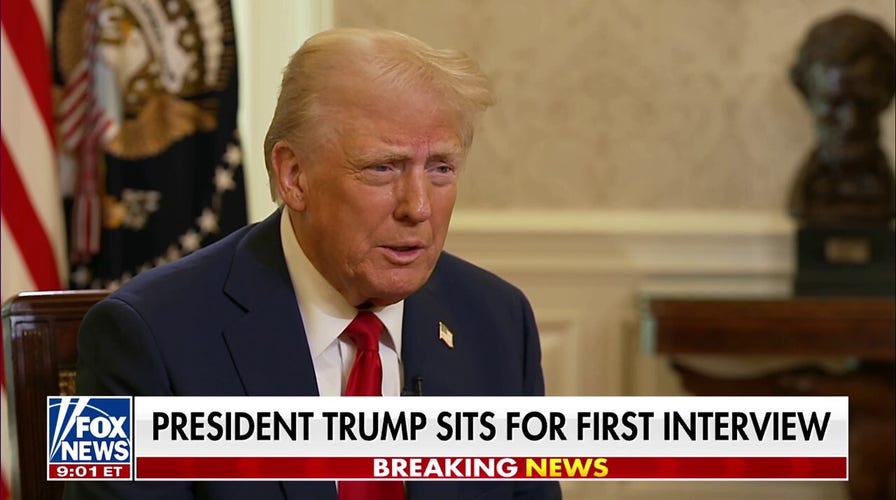
Critics, however, argue that some of the industrial growth cited by the campaign stems from bipartisan legislation passed after Trump left office, including infrastructure funding and semiconductor investment initiatives. This has led to accusations of selective framing — emphasizing positive metrics while minimizing unfavorable ones. Supporters of the campaign maintain that regulatory reforms and prior tax policies laid essential groundwork for subsequent expansion.
At the heart of the debate lies a broader question of credibility. Political analysts note that voter trust often hinges less on the existence of economic challenges — which are widely acknowledged across party lines — and more on whether leaders appear willing to confront them directly. Repeated dismissal of unfavorable data can energize a political base that distrusts mainstream institutions, but it may also alienate moderate and independent voters seeking practical solutions.
The Fox News segment illustrated this tension clearly. While Trump’s core supporters praised his combative defense and rejection of negative polls, undecided voters watching the exchange may have been left weighing whether denial is an effective strategy in the face of measurable public dissatisfaction.
Polls, of course, are snapshots in time rather than final verdicts. Campaign dynamics can shift rapidly, particularly as debates intensify and advertising ramps up. Still, sustained disapproval levels near 60 percent present a steep challenge for any national candidate. Winning coalitions typically require strong support from party loyalists combined with meaningful gains among independents.
As the campaign season advances, both Trump and Vance face the strategic task of broadening their appeal beyond their most dedicated supporters. That effort may depend not only on policy proposals but also on tone — whether the campaign chooses to confront uncomfortable statistics head-on or continue challenging their legitimacy.
In modern politics, perception often shapes momentum as much as policy. For now, the latest polling data serve as a reminder that public opinion remains fluid — and that persuading skeptical voters may prove more difficult than dismissing the numbers altogether.






