A group of 70 U.S. senators has reportedly backed new legislation designed to restrict unilateral military action against Iran, intensifying a constitutional debate over war powers and executive authority. The move follows reports that former President Donald Trump authorized targeted military strikes against Iranian-linked sites without prior congressional approval, a decision that has drawn both support and sharp criticism in Washington.
At the center of the dispute is the scope of presidential war powers under the U.S. Constitution. While presidents serve as commander-in-chief of the armed forces, Article I grants Congress the authority to declare war. Lawmakers backing the measure argue that sustained or escalated military operations require explicit congressional authorization, particularly when the actions risk broader regional conflict.
The proposed legislation is structured as a War Powers resolution, invoking the 1973 War Powers Act, which was passed in the aftermath of the Vietnam War to check presidential authority. Under that law, the executive branch must notify Congress within 48 hours of deploying armed forces into hostilities and may not continue operations beyond 60 days without congressional approval. Supporters of the resolution say the current situation meets the threshold for legislative oversight.
Trump has defended the strikes as necessary to deter Iran’s expanding nuclear activities and regional influence. He previously withdrew the United States from the Joint Comprehensive Plan of Action, commonly known as the Iran nuclear deal, during his presidency. The agreement, negotiated in 2015 between Iran and several world powers, imposed strict inspection regimes and limits on Iran’s uranium enrichment in exchange for sanctions relief.
Following the U.S. withdrawal from the accord, Iran gradually resumed higher levels of uranium enrichment, raising international concern. Trump and his allies argue that the deal was flawed and failed to address Iran’s ballistic missile development and regional activities. Critics counter that exiting the agreement removed key monitoring mechanisms and accelerated tensions that have now led to military confrontation.
Opponents of the strikes warn that Iran is a significantly larger and more militarily capable nation than Iraq was prior to the 2003 invasion. With established alliances and influence across parts of the Middle East, Iran’s response could extend beyond direct confrontation, potentially affecting U.S. interests and personnel throughout the region. Defense analysts caution that escalation scenarios are difficult to predict and may involve asymmetric tactics rather than conventional warfare.
In Congress, bipartisan concern has grown over both the legal justification and strategic clarity of the military action. Some lawmakers argue that while presidents may respond to imminent threats, broader campaigns require open debate and a formal vote. However, House leadership has reportedly delayed consideration of parallel legislation, creating uncertainty about whether the measure can pass both chambers.
Supporters of Trump’s decision contend that swift military responses are sometimes necessary to prevent greater threats and that public debate before action can compromise operational security. They emphasize the president’s constitutional role in protecting national security and deterring adversaries.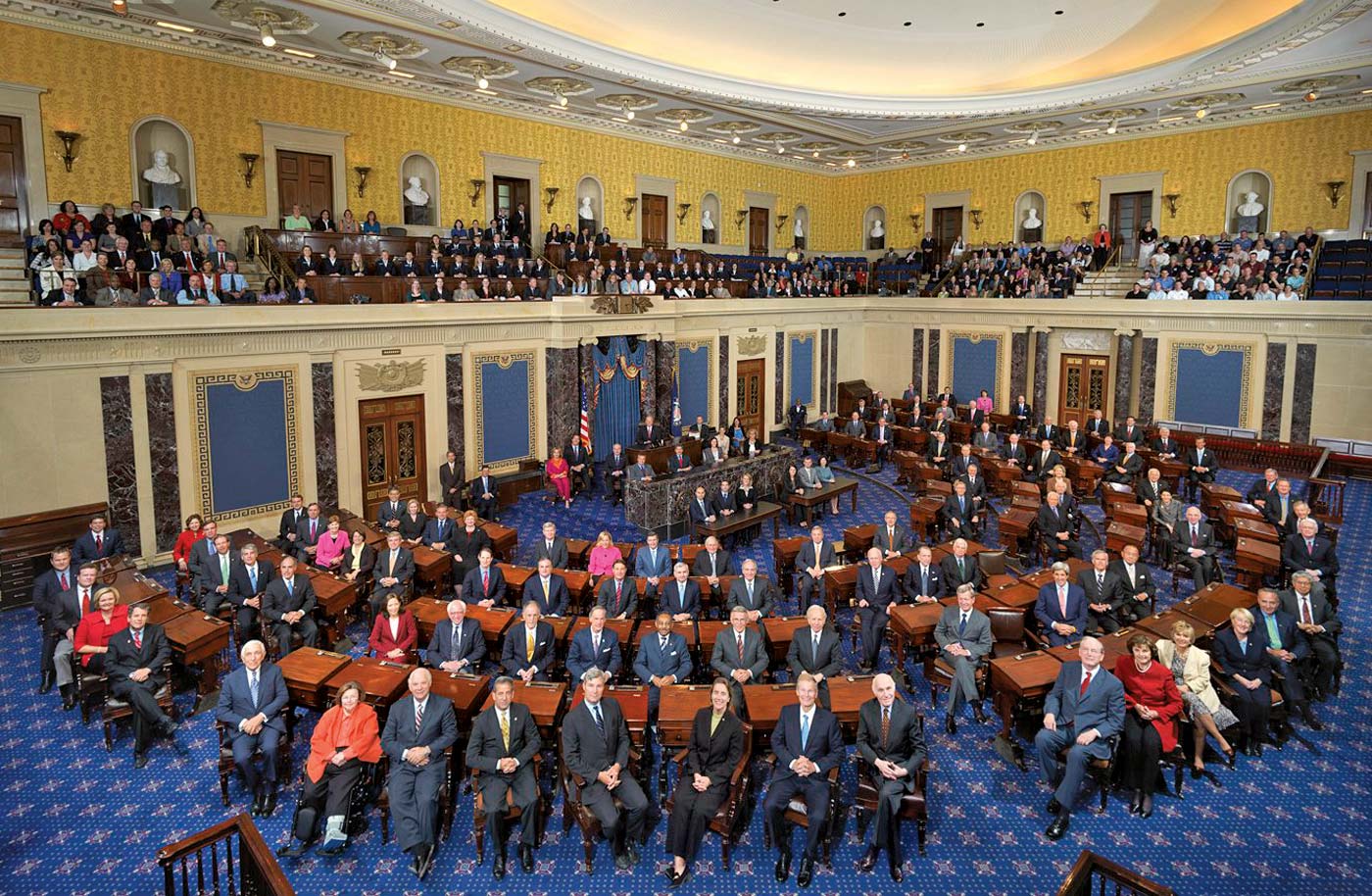
The debate reflects longstanding tensions between Congress and the executive branch over control of military force. Since World War II, numerous presidents from both parties have engaged in overseas military operations without formal declarations of war. Each instance has renewed discussion about the balance of powers envisioned by the Constitution.
As diplomatic channels remain fragile and regional tensions persist, the outcome of the War Powers resolution could shape not only the immediate Iran policy but also future limits on presidential authority. Whether the legislation ultimately becomes law or stalls in procedural disputes, the broader question remains: how far can a president act militarily without Congress before constitutional boundaries are tested?






