Melania Trump Accused of Dodging Jurisdiction in Lawsuit Over Epstein Ties, Refusing Sworn Declaration on Residence
NEW YORK — Melania Trump faces mounting legal pressure in a First Amendment lawsuit filed by author Michael Wolff, who accuses her of attempting to manipulate jurisdiction to avoid facing claims tied to her past associations with Jeffrey Epstein and Ghislaine Maxwell. In recent court filings, Wolff has highlighted what he calls Melania Trump’s “factual silence” — most notably her refusal to submit a personal declaration under penalty of perjury affirming her claimed Florida residency — as evidence of strategic delay tactics amid heightened scrutiny of Epstein-related documents.
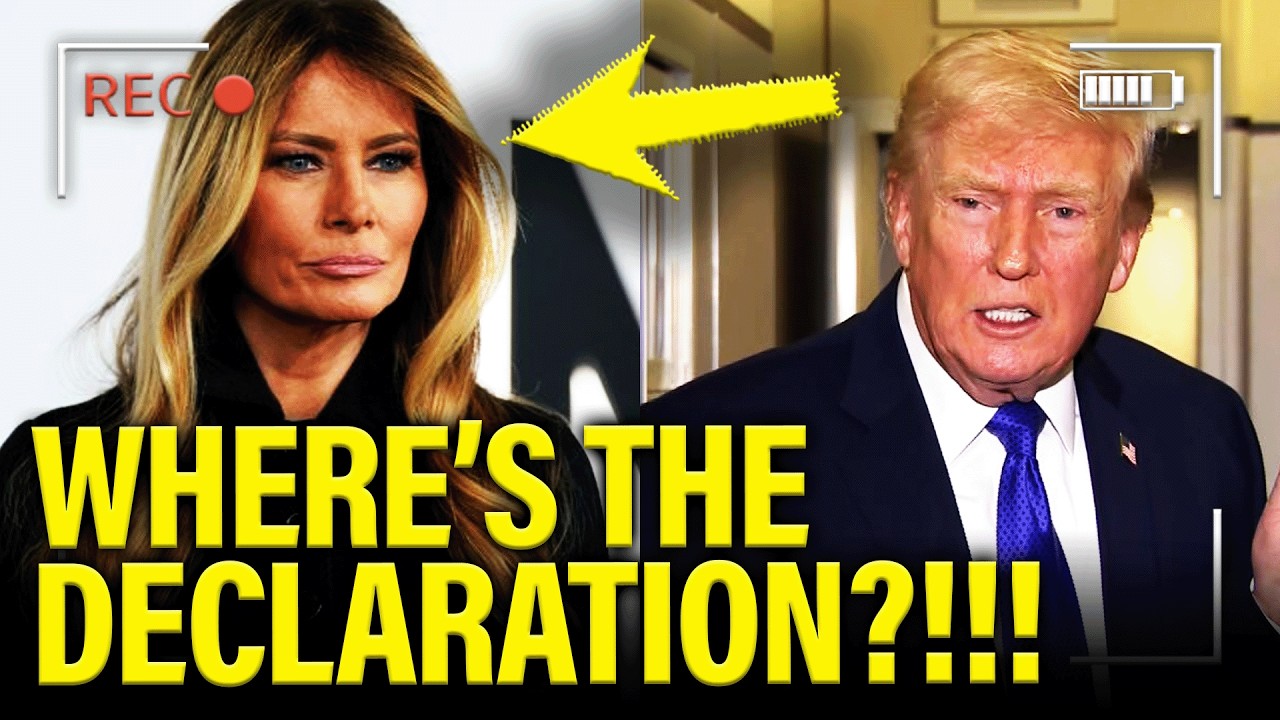
The dispute originated in October 2025 when Melania Trump threatened to sue Wolff for $1 billion over statements in interviews and articles, including those published by The Daily Beast, suggesting she had social connections to Epstein and Maxwell. She demanded retractions and public apologies, alleging defamation. Wolff responded by filing a preemptive lawsuit in New York state court, asserting that her threats constituted an unconstitutional attempt to chill his free speech rights. He seeks modest damages — under $25,000 — and a declaration protecting his right to report on what he describes as documented ties.
Melania Trump has not countersued for defamation, nor has she pursued any independent action against Wolff despite her earlier warnings. Instead, she has contested service of process, reportedly evading attempts to deliver the summons, and moved to remove the case to federal court. She further seeks transfer to the Southern District of Florida, arguing her primary residence is at Mar-a-Lago in Palm Beach. Wolff opposes the move, contending it is a ploy to place the matter before Judge Aileen Cannon, a Trump appointee known for rulings favorable to the former president in related cases.
In opposition papers filed in the past 48 hours, Wolff’s legal team emphasized that Melania Trump has offered no sworn evidence to support her domicile claim. While her attorneys cite a Florida driver’s license, voter registration, and other formal indicators, they have submitted no affidavit from Trump herself or any witness attesting to her day-to-day life in the state. “Trump’s failure to offer any facts or declaration by her or her counsel to justify removal mandates remand,” the filing states, arguing that citizenship determinations rest on the “center of gravity” of a person’s domestic, social, and civic life — not mere formalities.
Wolff bolsters his position with public statements and records portraying New York as Melania Trump’s enduring home. A social media post from August 27, 2024, reads: “New York City captivated my heart the moment I arrived 28 years ago today. This is an electrifying town. It’s not just my home.” Doormen at Trump Tower reportedly confirmed her regular presence in a specific unit, separate from the family’s former penthouse. Wolff also points to 2002 email exchanges with Ghislaine Maxwell — released in Epstein document batches — in which Maxwell addressed Melania as “Sweet Pea” and the two discussed plans in New York and Palm Beach. In one message, Melania complimented a New York Magazine profile featuring Maxwell and Epstein, in which Donald Trump famously remarked that Epstein liked women “on the younger side.”
The absence of a declaration from Melania Trump has drawn particular criticism. Wolff argues it invites an “adverse inference” and warrants discovery, including depositions that could probe her Epstein connections, social media history, and living arrangements. Should the court find the residency question close, he has urged limited jurisdictional discovery to resolve factual disputes.
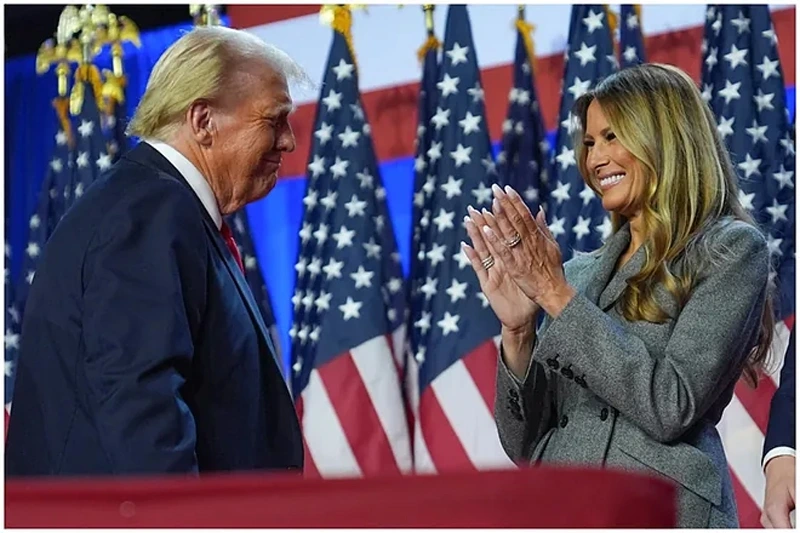
The litigation unfolds against a backdrop of renewed Epstein file releases and congressional oversight. House Democrats have highlighted missing FBI interviews and evidence logs concerning allegations against Donald Trump, while critics accuse the administration of selective transparency. Melania Trump’s legal maneuvers coincide with her scheduled appearance presiding over a United Nations Security Council meeting on education, technology, peace, and security — her first such role as first lady.
Legal experts note that wealthy individuals frequently maintain multiple residences, but domicile requires clear intent and primary ties. Removal statutes are interpreted narrowly, with doubts resolved against transfer. If the federal judge denies removal or transfer, the case returns to New York state court, where discovery could intensify scrutiny of the disputed Epstein-Maxwell links.
Melania Trump has declined to comment publicly on the filings. Her attorneys maintain that Florida is her bona fide residence and that service issues stem from legitimate security concerns related to Secret Service protection. As the dispute escalates, it underscores the persistent shadow cast by Epstein’s network over figures in Donald Trump’s orbit — and the high-stakes legal battles unfolding in its wake.