Citizenship, Presidential Power, and the Limits of Rhetoric
WASHINGTON — President Donald Trump is once again at the center of controversy after publicly suggesting he would consider revoking the citizenship of comedian and longtime critic Rosie O’Donnell. The remarks, posted on social media following renewed criticism from O’Donnell, quickly ignited a constitutional debate about executive authority, free speech, and the symbolic power of presidential rhetoric.

O’Donnell, whose public feud with Trump stretches back nearly two decades, had sharply criticized his leadership and fitness for office in interviews and online posts. In response, Trump wrote that he was “considering” revoking her citizenship and suggested she remain outside the country. While supporters dismissed the comment as rhetorical or hyperbolic, legal scholars emphasized that the issue touches on fundamental constitutional protections.
Under the 14th Amendment to the U.S. Constitution, anyone born on American soil is a citizen. Constitutional experts across the political spectrum noted that a president does not have unilateral authority to strip citizenship from a natural-born American as punishment for speech. The Supreme Court has repeatedly affirmed that citizenship, once granted by birth, cannot be removed without due process and specific statutory grounds — and political criticism does not meet that threshold.
O’Donnell responded forcefully, defending her right to criticize an elected official and describing the suggestion as authoritarian. Civil liberties advocates echoed concerns that even rhetorical threats tied to citizenship raise questions about democratic norms. The White House did not indicate that any formal legal action was underway.
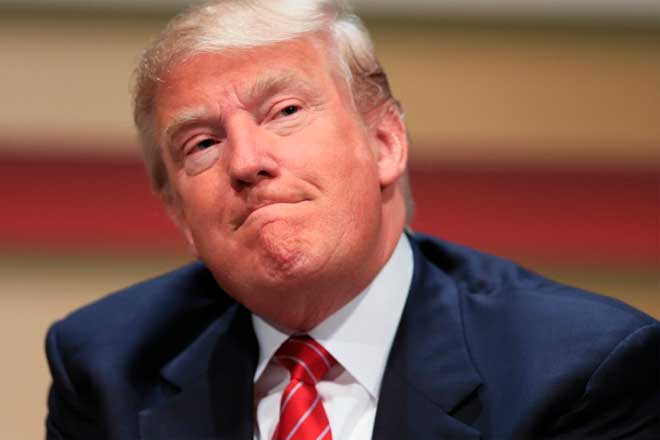
The controversy unfolded amid broader national tensions. Protests related to immigration enforcement and labor disputes were occurring in several states, and Trump had publicly raised the possibility of invoking the Insurrection Act in response to unrest. Supporters argued that restoring order is a presidential responsibility. Critics countered that such rhetoric, combined with citizenship threats, intensifies polarization.
Political analysts note a recurring pattern in modern media cycles: a celebrity criticizes the president, the president responds directly, and the exchange expands into a national debate. Trump’s defenders argue that he refuses to ignore public attacks and views counterpunching as political strength. Opponents contend that the presidency carries institutional weight that demands restraint.

At the center of the debate is not simply a feud between two public figures, but a larger question about precedent. When a president speaks about citizenship in punitive terms — even hypothetically — it forces discussion about constitutional boundaries and the tone of executive leadership.
There is no legal pathway for a president to revoke the citizenship of a natural-born American based on criticism. That remains settled constitutional law. Yet the political and symbolic impact of such statements continues to fuel debate over how power responds to dissent in a polarized era.
As the country approaches another contentious election cycle, moments like this underscore a broader concern: how language from the highest office shapes public trust, democratic norms, and the boundaries of acceptable political conduct.






