U.S. Urges Citizens to Flee 14 Middle East Countries as Iran Conflict Escalates
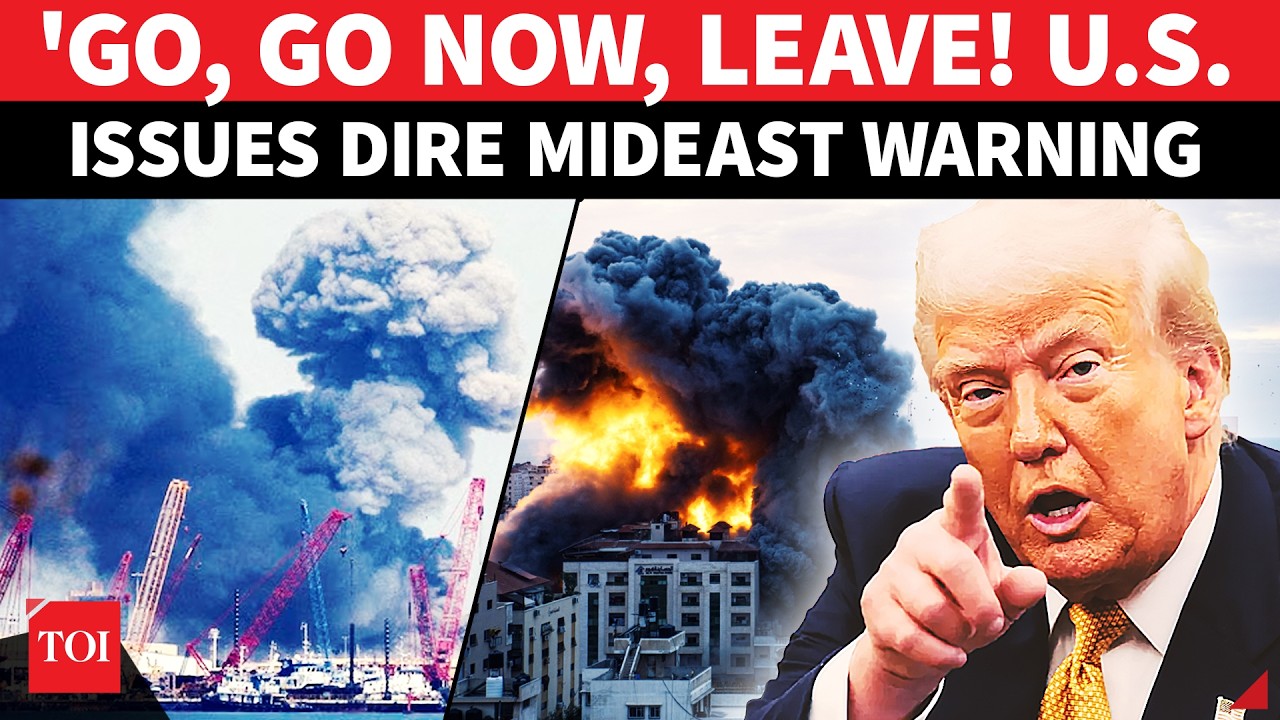
WASHINGTON — The State Department has issued an urgent advisory urging all American citizens to leave more than a dozen countries across the Middle East immediately, citing “serious safety risks” amid the intensifying U.S.-Israeli military campaign against Iran. The warning, posted by Secretary of State Marco Rubio on X, lists Saudi Arabia, the United Arab Emirates, Israel, Qatar, Bahrain, Kuwait, Oman, Jordan, Lebanon, Iraq, Egypt, Turkey, Syria and Yemen as high-risk destinations, advising departure via commercial transportation while it remains available.
The advisory follows days of sustained airstrikes that have targeted Iranian military infrastructure, missile production sites, naval assets and leadership facilities. President Donald Trump, in a Mar-a-Lago address, described the operation as essential to “destroy Iran’s missile capabilities,” “annihilate their navy,” prevent nuclear weapon development and sever support for proxy groups like Hezbollah. He acknowledged four U.S. service members killed in action, grieving their loss while vowing to continue “with ferocious, unyielding resolve.”
Trump projected the campaign could last “four to five weeks” or longer, warning of additional casualties: “Whatever it takes, we will do it.” He dismissed criticism that the effort might drag on, insisting the U.S. military remains “substantially ahead of our time projections” and possesses “the strongest and most powerful by far military in the world.”
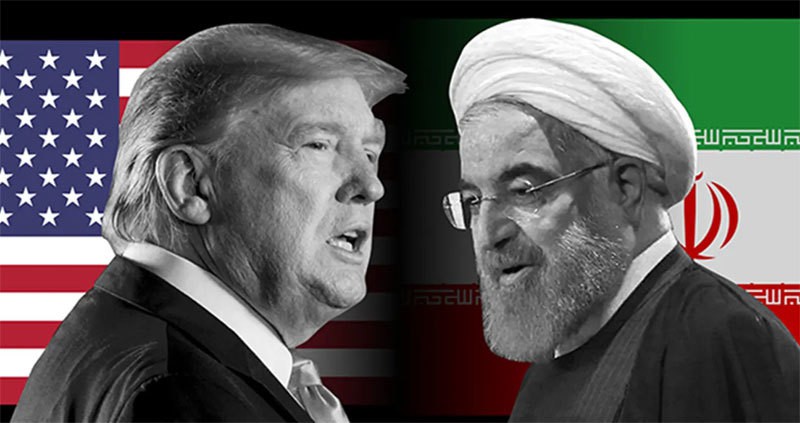
Iran retaliated with barrages of ballistic missiles and drones targeting Israeli military sites and U.S. assets across the Gulf, including bases in Bahrain, Qatar, Kuwait and the UAE. Explosions were reported near critical energy infrastructure, prompting air defenses in multiple countries to engage incoming projectiles. Iranian officials described their response as “lawful, necessary and proportionate” under Article 51 of the UN Charter, framing it as self-defense against unprovoked aggression.
At the United Nations, Iran’s ambassador condemned the strikes as a “preemptive attack with no basis in international law,” accusing the U.S. of hypocrisy for convening a Security Council session on protecting children in armed conflict while “bombing schools and killing children.” The envoy warned that allowing powerful states to act with impunity would render the UN Charter meaningless.
The State Department’s evacuation order reflects fears of wider regional spillover. Hezbollah launched missiles into northern Israel, while Iranian-backed groups in Iraq and Syria threatened U.S. forces. Commercial flights have been disrupted, with airspace closures and heightened alerts at airports across the region.
The conflict has already claimed civilian lives, with unverified reports of strikes hitting populated areas, including schools. Iran maintains its response targets only military objectives and does not seek escalation, but vows not to surrender sovereignty.
Trump’s objectives remain focused on neutralizing long-term threats rather than full regime change, though he has suggested installing a more compliant leadership akin to Venezuela’s transitional model. Critics warn of unintended consequences, including prolonged instability, oil price shocks and strain on U.S. munitions stocks.
As American citizens heed the call to depart, the Middle East braces for further escalation. Diplomatic channels remain strained, with no immediate path to de-escalation in sight. The coming days will test whether military pressure yields concessions or ignites a broader war.