As War With Iran Intensifies, Trump Faces Mounting Questions at Home and Abroad
WASHINGTON — President Donald Trump is confronting one of the most volatile moments of his presidency as the conflict with Iran expands across the Middle East, bringing rising American casualties, regional instability and growing skepticism from allies and adversaries alike.
In a series of media appearances this week, Mr. Trump acknowledged that additional American service members are likely to die as the war stretches into what he described as “many, many weeks — maybe four or five.” The remarks, delivered in a subdued tone during a White House briefing, marked one of his starkest public assessments yet of the human toll of the campaign.
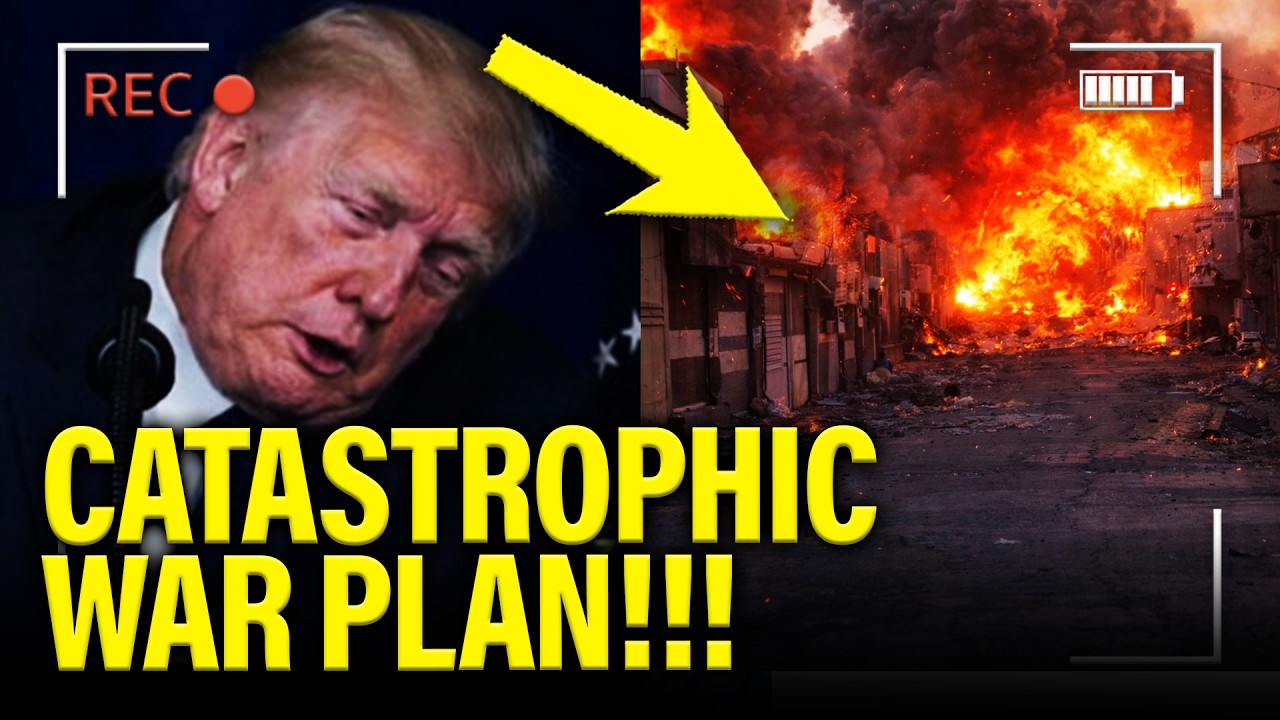
“Sadly, there will likely be more before it ends,” the president said, referring to U.S. casualties. “That’s the way it is.”
The conflict, which administration officials characterize as a necessary response to escalating Iranian aggression, has already widened beyond direct exchanges between Washington and Tehran. Iranian missiles have struck targets in Israel and across the Gulf. Militia groups aligned with Tehran have launched attacks near American facilities in Iraq. U.S. embassies in parts of the region have faced protests and sporadic security threats.
On Wednesday, a U.S. Air Force F-15E Strike Eagle crashed over Kuwait in what Pentagon officials described as a likely friendly-fire incident. Both crew members survived and were transferred to local authorities. The episode underscored the hazards facing American forces operating in crowded, contested airspace.
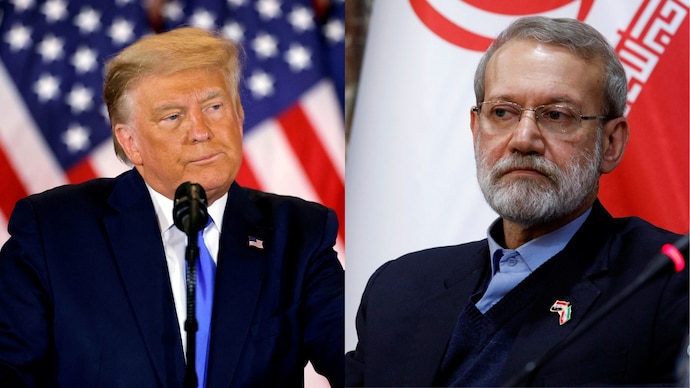
At the same time, diplomatic channels appear fractured. Mr. Trump has insisted that discussions with senior Iranian leaders are “productive.” But Ali Larijani, the secretary of Iran’s Supreme National Security Council and a former chief negotiator with Washington, publicly denied that any talks are underway.
“We will not negotiate with the United States,” Mr. Larijani wrote on social media, accusing Mr. Trump of plunging the region into chaos. Just weeks ago, Mr. Larijani had described limited negotiations as exclusively between Iran and the United States, while accusing Israel of attempting to sabotage the process. Now, Tehran’s position appears hardened.
The president has framed his strategy as modeled partly on his administration’s pressure campaign against Venezuela — maintaining sanctions, isolating leadership and leveraging internal divisions. “We can even leave leaders in place if they like Donald Trump,” he said in one interview, a remark that raised questions among foreign policy analysts about the coherence of Washington’s endgame.
Allies have been cautious. France, which maintains a military presence in the Gulf, clarified that it would defend its interests if necessary but would not join offensive operations. In Asia, the war has complicated U.S. military planning. The New York Times reported that the administration is delaying $13 billion in congressionally approved arms transfers to Taiwan, a move officials described as intended to preserve diplomatic space ahead of a possible summit with China’s president, Xi Jinping. The administration has not publicly linked the delay to the Iran conflict, but analysts note that military resources are finite.
China, for its part, has condemned the U.S. action in Iran, while maintaining close economic and strategic ties with Tehran.
On Capitol Hill, reactions have split largely along partisan lines. Senator Lindsey Graham of South Carolina praised Mr. Trump’s approach, calling him “the gold standard for Republicans” and urging expanded operations against Iranian-backed groups such as Hezbollah. “Seize the moment,” Mr. Graham said in a televised interview.
Democratic lawmakers, meanwhile, have pressed for greater transparency regarding the war’s objectives and legal basis. Some have questioned whether Congress was adequately consulted before hostilities escalated.
Public opinion appears unsettled. Early polling suggests support for the campaign hovers below 30 percent, though surveys vary widely depending on question framing and timing. Analysts caution that sentiment can shift rapidly in moments of national crisis.
Economically, markets have begun to reflect anxiety. Dow futures fell sharply Thursday morning, while crude oil prices surged more than 7 percent, topping $72 a barrel, amid concerns about supply disruptions and broader regional instability.
For Mr. Trump, who has long styled himself as a dealmaker capable of bending adversaries to his will, the Iran conflict presents a test not only of military strategy but of political durability. He has promised decisive action and ultimate victory. Yet as casualties mount and diplomatic contradictions emerge, the administration faces intensifying scrutiny over whether its objectives are clearly defined — and achievable.
The coming weeks, which the president himself predicts will be consequential, may determine whether the conflict reshapes the balance of power in the Middle East — or the trajectory of his presidency at home.






