Trump Faces Escalating Middle East Crisis as U.S. Struggles to Evacuate Citizens and Oil Prices Surge
JERUSALEM — President Donald Trump’s administration is grappling with a rapidly deteriorating crisis in the Middle East, where U.S. embassies have effectively told American citizens to fend for themselves amid intensifying Iranian retaliation and widespread regional strikes. The absence of organized evacuation plans, combined with surging oil prices and plunging stock markets, has fueled accusations that the U.S.-Israeli campaign against Iran has spiraled into an uncontrolled regional war with no clear exit strategy.
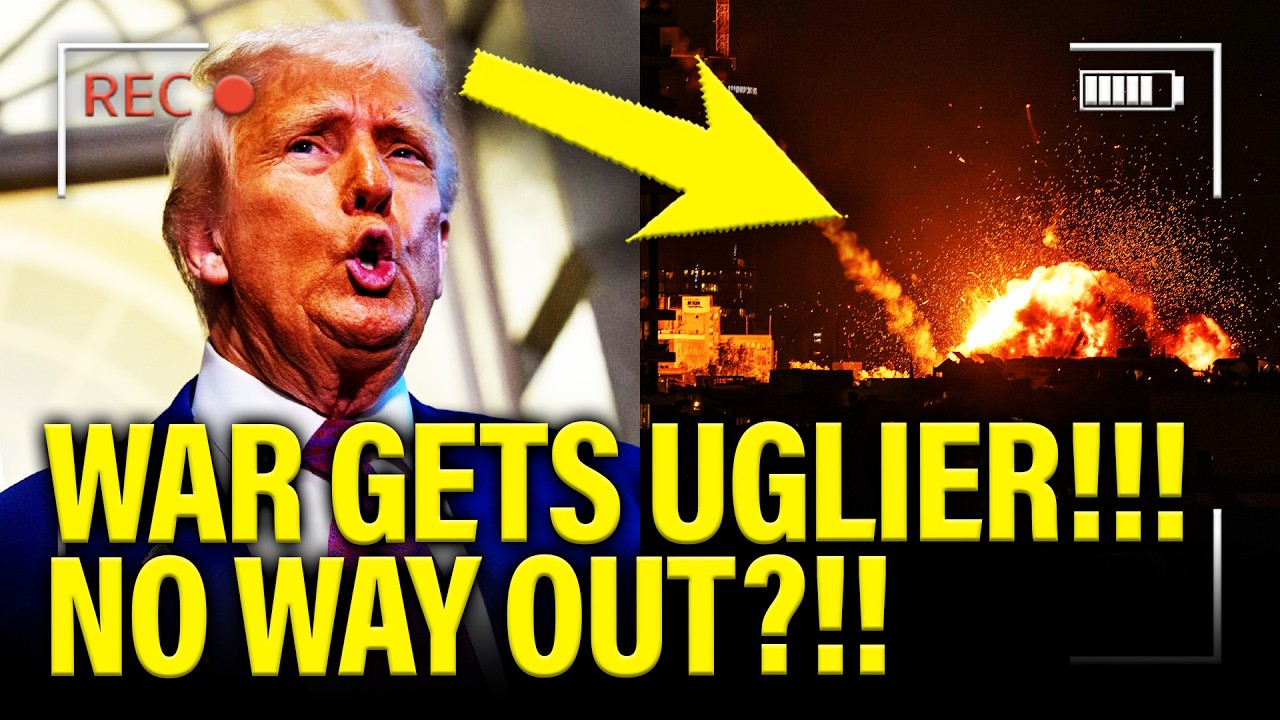
The U.S. Embassy in Jerusalem issued a stark advisory on Tuesday: it is “not in a position at this time to evacuate or directly assist Americans in departing Israel.” Citizens were instructed to make their own security arrangements and seek commercial flights where possible. Similar warnings echoed across U.S. missions in the region, even as Iranian drones and missiles targeted airports, ports and oil infrastructure in the United Arab Emirates, Oman, Iraq and beyond. Thick black smoke rose from the Port of Fujairah after a drone strike on storage tanks, while production halted at Iraq’s Rumaila field — the country’s largest and the world’s second-largest — due to pipeline disruptions and Strait of Hormuz closures.
Oil markets reacted violently. The national average gasoline price in the United States jumped 12 cents per gallon in a single day — the largest increase since March 2022 — as fears mounted over supply bottlenecks through the critical Hormuz chokepoint. Global indexes opened sharply lower, with major U.S. benchmarks down as much as 2.5 percent at points during early trading. Russia, meanwhile, has benefited unexpectedly: higher demand for its crude has provided economic relief amid Western sanctions.
The administration’s rationale for the initial strikes — preventing an imminent Israeli attack on Iran that would trigger retaliation against U.S. forces — has shifted. Officials now speak of regime change or empowering “friendlier” elements within Iran, though no viable successor has emerged. The killing of Supreme Leader Ayatollah Ali Khamenei, an 85-year-old figure already unpopular in parts of Iran, has backfired dramatically. Rather than fracturing the regime, it has elevated him to martyr status among Shiite communities across the region, fueling mass protests chanting “Death to America.”
The strikes have also exacted a heavy civilian toll. A U.S.-Israeli attack on a girls’ school in Minab killed 140 people, including 110 students (66 boys and 54 girls), all 26 female teachers, and four parents — the deadliest single incident reported in the campaign. No public acknowledgment or expression of regret has come from the administration. Separately, six U.S. service members died in Kuwait when an Iranian strike hit a tactical operations center; CBS reported prior warnings about the site’s vulnerability were ignored up the chain of command.
Trump has floated supporting anti-regime militias or Kurdish factions in northwestern Iran as proxy ground forces, avoiding direct U.S. boots on the ground. Yet critics note a pattern of betrayal: the administration’s failure to aid Iranian protesters massacred in January after Trump’s public encouragement, and repeated abandonment of Kurdish allies in past conflicts. “No Kurdish group can trust a word of what Donald Trump says,” one analyst remarked.
On Capitol Hill, the disconnect was laid bare during Senate testimony. Under Secretary of Defense Elbridge Colby, pressed by Senator Elizabeth Warren, struggled to reconcile the administration’s “America First” defense strategy — which explicitly rejects “interventionism, endless wars, regime change, and nation building” — with current operations in Iran. When Warren quoted the document verbatim and asked whether the Iran campaign constituted interventionism, Colby demurred, insisting it was not “nation building” and that goals remained fluid under presidential direction.

The crisis has exposed broader vulnerabilities. The State Department, hollowed out by staffing cuts and unfilled ambassadorial posts across the Middle East, lacks capacity for large-scale evacuations. Allies, alienated by prior U.S. actions, offer limited support. France deployed fighter jets over the UAE for defensive patrols but withheld its aircraft carrier, signaling reluctance to deepen involvement.
As Iran targets Gulf economic hubs and closes key shipping lanes, the war’s economic shockwaves continue to spread. With no clear military objectives articulated and civilian casualties mounting, the administration faces mounting domestic and international pressure to define an endgame. For now, Americans abroad are left to navigate the chaos independently, while markets and oil prices reflect a region — and a policy — increasingly out of control.