Morgan Freeman Condemns Trump as ‘Convicted Felon’ Leading Nation ‘Down a Hole’ in Scathing TV Interview
LOS ANGELES — Oscar-winning actor Morgan Freeman delivered a blistering critique of President Donald Trump during a live appearance on MSNBC, calling him a “convicted felon” unfit for office and accusing him of steering the country “down a hole.” The remarks, made in an interview with host Lawrence O’Donnell, have gone viral, amplifying widespread public discontent as polls show Trump’s approval ratings sinking amid economic unease and questions about his leadership.
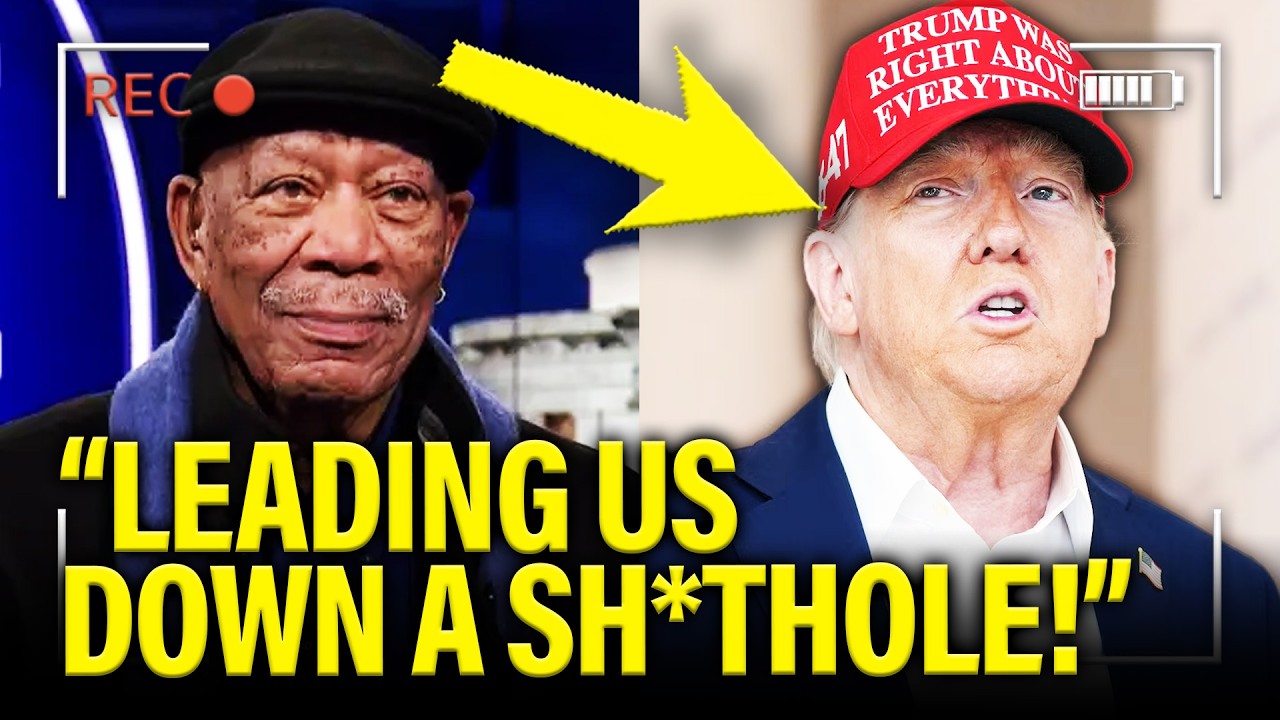
Freeman, whose distinctive voice has narrated everything from documentaries to Hollywood blockbusters, did not hold back. “We have somebody sitting in the White House who’s leading us down a hole,” he said. “I can’t personally understand how a convicted felon — convicted 34 felonious counts of wrongdoing — gets to be president. How do you do that?” He dismissed arguments that Trump’s legal troubles predated his inauguration, insisting the conviction alone disqualified him in the public eye.
The comments come at a moment of mounting scrutiny for the administration. Recent Fox News polls, often favorable to Republicans, show only 40 percent of Americans approve of Trump’s handling of the economy, with 59 percent disapproving. Broader surveys from The Washington Post and ABC News echo the trend, revealing deep skepticism across key demographics. Sixty-two percent believe Trump is using the presidency to enrich himself, 65 percent say he has exceeded his authority, and 56 percent question whether he is committed to protecting Americans’ rights and freedoms. A striking 70 percent doubt his mental sharpness for the job.
Freeman’s intervention reflects a broader cultural moment in which prominent figures outside politics are stepping forward. The actor urged younger voters to engage, framing the election as a moral imperative rather than a partisan contest. “We the people are the only ones who can stop him,” he declared, drawing applause and cheers from the studio audience.
The interview also highlighted economic pressures dominating headlines. Producer price inflation rose 2.9 percent over the past year — hotter than expected — with core prices (excluding food and energy) climbing 3.6 percent, the highest since March 2025. Stock futures tumbled in response, with the Dow down more than 500 points and the Nasdaq off 235 at one point. Analysts attributed the sell-off to fears that persistent inflation could delay interest-rate cuts, squeezing valuations in high-growth sectors like artificial intelligence.
On Capitol Hill, administration officials faced tough questioning. Under Secretary of Defense Elbridge Colby struggled to reconcile the White House’s “America First” defense strategy — which explicitly rejects “interventionism, endless wars, regime change, and nation building” — with ongoing military actions. Senator Elizabeth Warren pressed him on whether the Iran campaign constituted interventionism or regime change, quoting the strategy document verbatim. Colby demurred, insisting the goals remained fluid under presidential direction and were not nation-building.
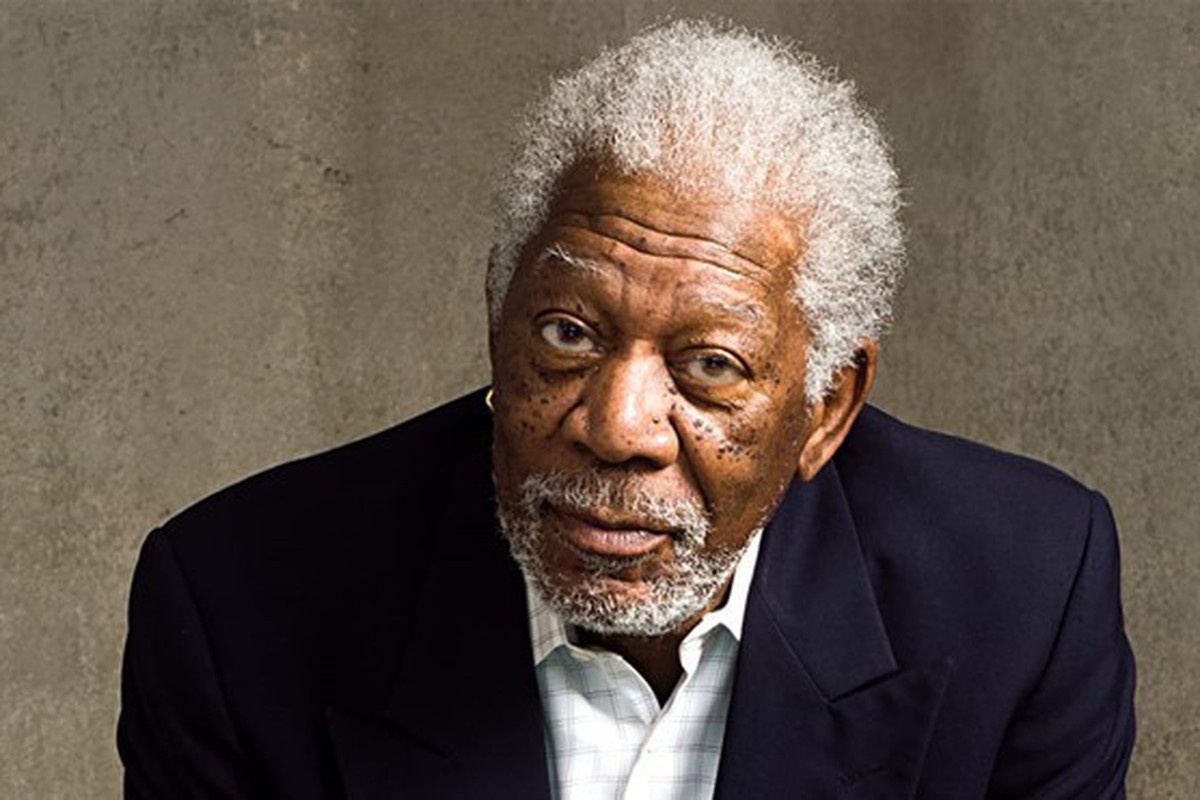
Freeman’s remarks drew predictable backlash from Trump supporters, who accused Hollywood elites of overstepping. Yet the actor’s words align closely with public sentiment, undercutting claims that criticism stems solely from partisan bias. Conservative commentators on Fox News have acknowledged economic vulnerabilities, with anchors noting consumer confidence remains low and that pain from inflation is real for many households.
The timing is notable. Freeman spoke as Trump prepared for a major address to the nation, expected to focus heavily on the economy while addressing Iran, Venezuela fallout, Supreme Court rulings and tariffs. Several justices were expected in the audience, adding tension to any discussion of executive overreach.
History offers context for such celebrity interventions. From Muhammad Ali’s stand against the Vietnam War to the 1968 Olympic protests by John Carlos and Tommie Smith, artists and athletes have long used their platforms to challenge power. Freeman joins a lineage that includes Colin Kaepernick, whose actions were initially vilified but later reframed as principled dissent.
For now, Freeman’s blunt assessment — delivered with the gravity his voice commands — has crystallized a moment of national unease. As polls reflect eroding trust and economic anxiety mounts, his call for civic engagement underscores a simple truth: in a democracy under strain, voices from every corner matter. Whether they sway votes or merely echo existing frustration, they signal a public increasingly unwilling to stay silent.