‘STAR MER IS A COWARD!’ Trump Brutally Torches UK Prime Minister as ‘Weak Fence-Sitter’ Amid Escalating Iran Missile Barrage—Is the Special Relationship Over?
Washington DC / London – In a blistering series of interviews that have rocked transatlantic ties, US President Donald Trump has unleashed a ferocious verbal assault on British Prime Minister Keir Starmer, branding him a “coward” and a “weak fence-sitter” for Britain’s initial reluctance to fully back American-led offensive strikes against Iran.
The extraordinary broadside comes as the Middle East conflict enters its most dangerous phase yet. US and Israeli forces have carried out sustained missile and drone attacks on Iranian military sites, nuclear facilities, and command structures following the reported killing of Iran’s Supreme Leader Ayatollah Ali Khamenei in the opening salvos. Tehran has retaliated with waves of ballistic missiles and drones targeting US bases, Israeli cities, and—alarmingly—a direct strike on RAF Akrotiri in Cyprus, a key British sovereign base area, early Monday morning.
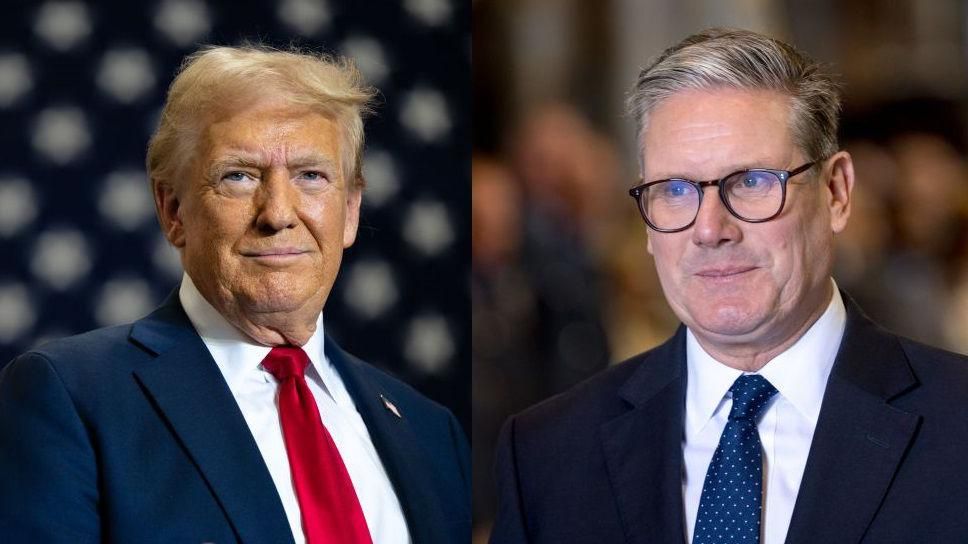
Trump, speaking to The Sun and the Daily Telegraph in what aides described as “off-the-cuff fury,” did not mince words. “This is not Winston Churchill we’re dealing with,” he declared. “Starmer took too long, sat on the fence like a weak little guy. He has not been helpful… I never thought I’d see that from the UK. The special relationship? It’s obviously not what it was.” In one particularly savage aside, sources close to the White House say Trump privately referred to the Labour leader as a “coward” who prioritised domestic politics over alliance obligations.
The row exploded after Starmer initially refused US requests to launch offensive operations from British bases—including RAF Fairford in Gloucestershire and the strategic outpost on Diego Garcia—citing concerns over international law, the lack of a “thought-through plan,” and lessons from past interventions like Iraq. Downing Street insisted Britain would not participate in “regime change from the skies.”
Only late Sunday did Starmer relent, authorising “limited and specific defensive” use of UK facilities to target Iranian missile launchers threatening allied forces and British nationals. By then, however, Iranian drones had already struck Akrotiri, injuring personnel and forcing a temporary shutdown of operations. Critics in Washington viewed the delay as dithering at a “critical moment.”

In a tense Commons statement on Monday, Starmer defended his stance with characteristic caution. “The United Kingdom was not involved in the initial strikes on Iran. That decision was deliberate,” he told MPs. “We will not join offensive action now. But in the face of Iran’s dangerous escalation, we will defend British nationals and support the collective self-defence of our allies.” He emphasised that Britain’s actions were guided by “national interest” and a refusal to repeat past mistakes without clear objectives.
The Prime Minister’s measured tone only fuelled the fire across the Atlantic. A former Trump aide, speaking on GB News, delivered a withering verdict: “Too little, too late. Starmer’s fence-sitting has put British lives and interests at risk. This isn’t leadership; it’s appeasement dressed up as prudence.”
Opposition voices in Westminster piled on. Conservative leader Kemi Badenoch declared she “stands with our allies in the US and Israel,” while shadow foreign secretary Priti Patel called for the expulsion of the Iranian ambassador and accused the government of being “spineless.” Reform UK figures and pro-Trump commentators on social media went further, with one viral post branding Starmer a “traitor” who cares more about “pandering to Muslim voters” than the historic alliance.
Yet not everyone in Britain sees Trump’s intervention as helpful. Many MPs and commentators view the personal attacks as bullying that plays into Starmer’s hands domestically. Polling suggests a majority of the UK public remains wary of deeper entanglement in another Middle East war, with memories of Iraq and Afghanistan still raw. One senior Labour source told reporters: “Trump’s tantrum might make Keir look weak to MAGA diehards, but to most Brits it makes him look like the adult in the room standing up to bluster.”
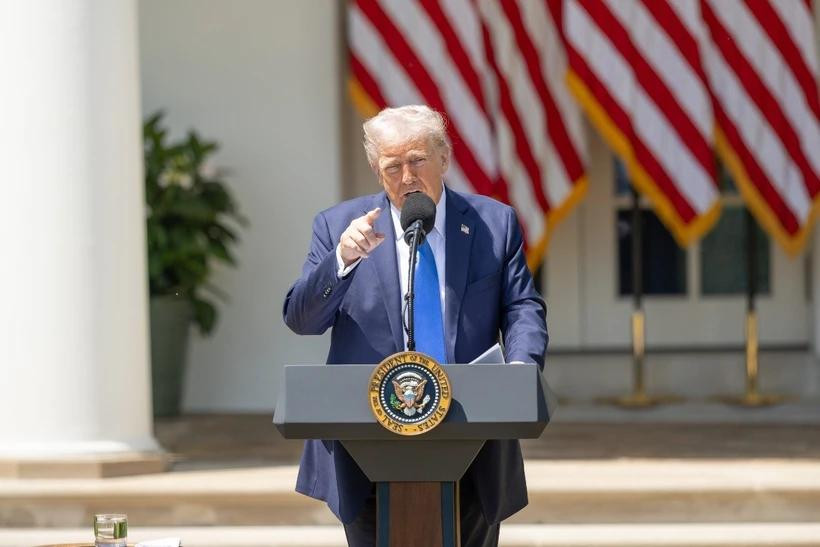
As Iranian retaliation continues—Tehran has vowed the “biggest wave” is yet to come—the strain on the so-called special relationship is palpable. Trump has already threatened trade halts with Spain over similar base refusals, raising fears Britain could face secondary pressure. Pentagon officials privately admit the US no longer “relies” on British participation in the Gulf the way it once did, but the optics of a public rift between the two closest allies could embolden adversaries from Moscow to Beijing.
For now, the world watches a once-ironclad partnership fray under missile fire and mutual recrimination. Whether it can be repaired—or whether this marks the beginning of its end—may depend on how quickly cooler heads prevail in a region that is already burning.






