Political Tensions Escalate as Trump Criticizes Media Network and George Conway Intensifies Public Campaign
Former President Donald Trump and several prominent critics were at the center of renewed political tension this week following a series of social media posts and televised appearances that amplified an already heated public feud.
The exchange began after Trump criticized the Midas Touch Network on his social media platform, referencing an interview the outlet conducted with former Attorney General Eric Holder. Following that post, Trump published a rapid series of additional messages over the course of roughly an hour, addressing a wide range of political topics and grievances. The volume and tone of the posts drew immediate attention online and among media commentators.
At the same time, conservative attorney George Conway — a longtime Trump critic — continued a public campaign challenging the former president’s fitness for office. During a recent appearance on MSNBC’s Morning Joe, Conway displayed a poster outlining diagnostic criteria for narcissistic personality disorder from the American Psychiatric Association’s manual. He argued that Trump’s behavior aligns with those criteria, though mental health professionals generally caution against diagnosing individuals without direct clinical evaluation.
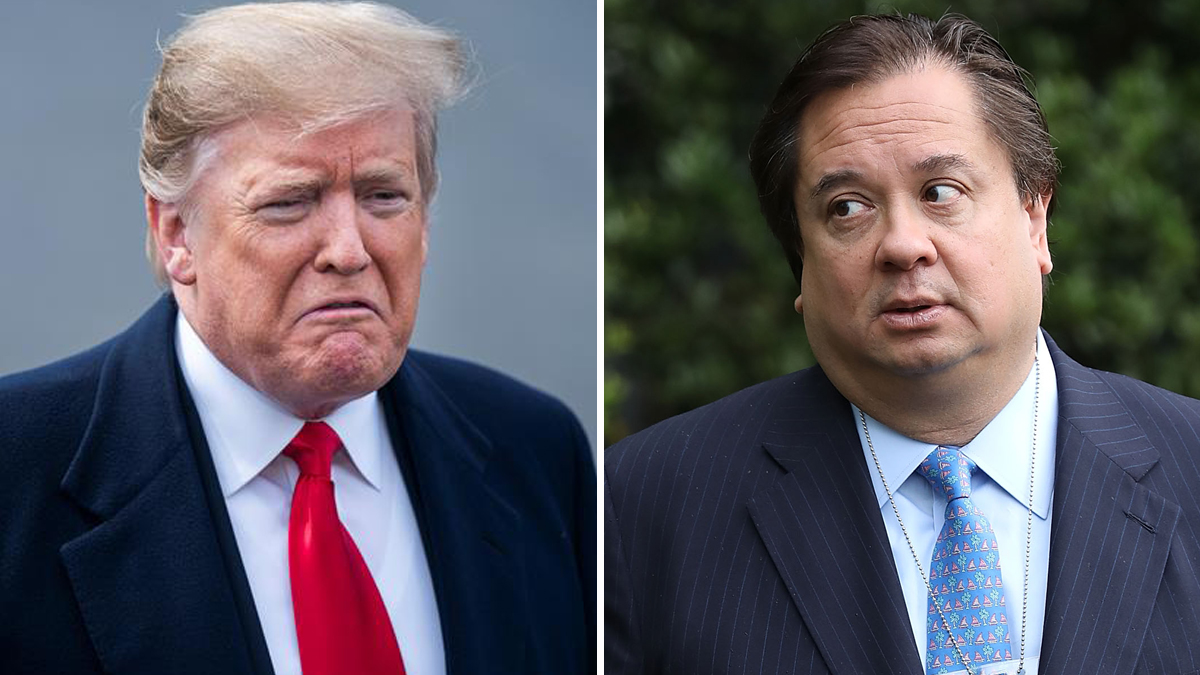
Conway has also launched a political action committee focused on opposing Trump’s reelection efforts. According to public filings and campaign statements, the PAC has funded advertising campaigns in markets where Trump frequently travels. The messaging frames Trump’s public conduct as evidence of instability and unfitness for leadership, an argument Trump and his allies strongly reject.
The public confrontation intensified following Trump’s conviction in New York on 34 felony counts related to falsifying business records in a hush money case. Trump has denied wrongdoing and is appealing the verdict. Supporters argue the case was politically motivated, while critics maintain it reflects broader concerns about accountability and legal responsibility
During a CNN appearance after the conviction, Conway clashed with Republican commentator Scott Jennings over the legal implications of the verdict. The exchange became heated, reflecting broader partisan divisions over how the case should be interpreted. Republicans have largely characterized the prosecution as partisan, while many Democrats view it as a routine application of the law.
Trump has continued to use his social media platform to criticize political opponents, media outlets, and public figures. His posts have included commentary on former officials, media executives, and current political events. Allies say his online presence demonstrates transparency and direct engagement with supporters. Critics argue that the tone and volume of his messaging raise concerns about governance and political rhetoric.
The broader episode underscores the increasingly personal nature of modern political discourse. Rather than focusing solely on policy differences, debates frequently center on character, temperament, and psychological interpretation. Experts in political communication note that such framing can energize supporters but also deepen polarization.
As the 2024 election cycle continues, these disputes appear unlikely to fade. Trump remains a dominant force in Republican politics, while high-profile critics such as Conway continue to challenge his leadership style and legal controversies in national media appearances.
The ongoing back-and-forth highlights a central feature of the current political climate: battles over narrative, credibility, and public perception now unfold as much on television and social media as they do in traditional policy arenas.






