🔥 BREAKING: TRUMP RESPONDS STRONGLY AFTER ANA NAVARRO MAKES A SURPRISING ON-AIR REMARK ⚡
A pointed exchange on daytime television has reignited a long-simmering debate over the release of documents related to the financier Jeffrey Epstein, placing renewed scrutiny on former President Donald J. Trump and drawing a forceful response from the White House.
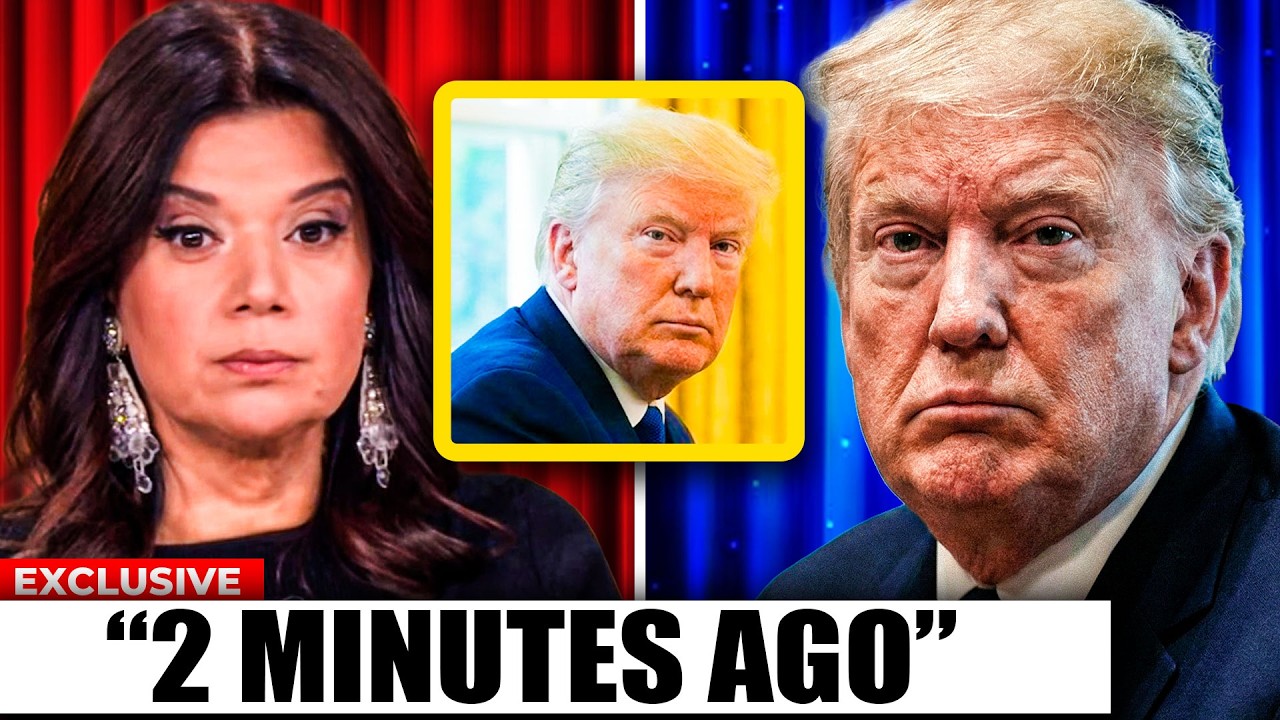
The moment unfolded on ABC’s The View, where co-host Ana Navarro addressed the recent release of documents by Democrats on the House Oversight Committee. The materials, described by lawmakers as thousands of pages tied to Epstein’s network and correspondence, included references that Republicans say are being taken out of context to implicate Mr. Trump.
Ms. Navarro framed the issue less as a partisan fight than as a moral reckoning.
“This is white, rich, powerful, entitled men protecting other white, rich, powerful, entitled men,” she said, arguing that institutions have repeatedly failed Epstein’s victims. The studio audience responded with applause as she called for full transparency. “We have failed the victims of Jeffrey Epstein,” she added. “We as a country, our legal system, our institutions, our leaders.”
The comments quickly circulated online, intensifying a debate that has persisted since Epstein’s 2019 death in federal custody. Despite years of investigations and court proceedings, many records tied to Epstein’s associates remain sealed or partially redacted, fueling suspicion across the political spectrum.
Mr. Trump has long acknowledged knowing Epstein socially in the 1990s and early 2000s but has denied any wrongdoing. In a 2002 interview with New York magazine, he described Epstein as a “terrific guy,” comments that resurfaced after Epstein’s arrest. Mr. Trump has since said he distanced himself from Epstein and barred him from Mar-a-Lago, his Palm Beach club, years before the financier’s legal troubles became public.
Following Ms. Navarro’s remarks, the White House issued statements sharply criticizing her. Abigail Jackson, a deputy press secretary, accused Ms. Navarro of attempting to “weaponize” the Epstein files against the former president and said the newly released emails “prove literally nothing.” Another statement emphasized that Mr. Trump had expelled Epstein from his club decades ago.
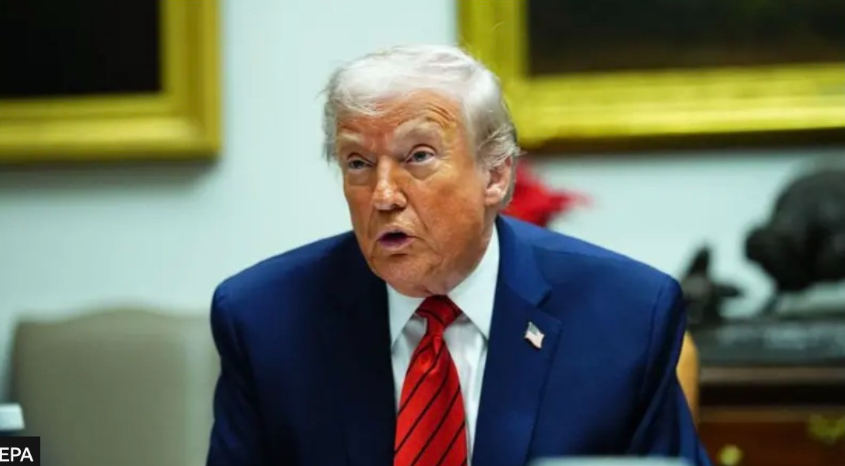
The dispute illustrates the enduring sensitivity surrounding the Epstein case, which ensnared prominent figures in politics, business and academia. For victims’ advocates, the central issue remains access to information and accountability for those who enabled Epstein’s activities. For political operatives, the documents have become a proxy battlefield in a broader struggle over narrative and blame.
On The View, Ms. Navarro resisted efforts to reduce the matter to party lines. “I don’t know why we’re getting sucked into a political fight about this,” she said. “This is about right and wrong.” Her comments were delivered during a wide-ranging conversation that also touched on foreign policy tensions in the Middle East and domestic political rhetoric, underscoring how the Epstein controversy has become interwoven with larger debates about leadership and trust.
Mr. Trump, who has frequently characterized critical media coverage as “fake news,” has not directly addressed Ms. Navarro’s latest remarks but has previously denounced what he describes as politically motivated attacks. Allies argue that selective leaks and partial disclosures distort the record and unfairly tie him to Epstein’s crimes.
Democrats counter that transparency is essential. Lawmakers involved in releasing the recent tranche of documents said their aim was to shed light on the full scope of Epstein’s connections. Republicans on the committee have accused Democrats of cherry-picking materials to damage Mr. Trump’s reputation ahead of the 2026 midterm elections.

Legal experts caution that the release of sensitive records often involves balancing public interest against privacy rights and due process. Many Epstein-related filings remain under court seal, and judges have ordered redactions to protect victims’ identities.
Still, public pressure has grown. Polls show broad bipartisan support for making as much information public as legally possible. “The credibility of institutions depends on transparency,” said one former federal prosecutor. “When documents remain hidden, speculation fills the vacuum.”
Ms. Navarro’s comments reflect that frustration. Her critique suggested that the reluctance to release more information stems from a desire among powerful individuals to avoid scrutiny. The White House’s swift rebuttal signaled how politically charged the issue remains.
For now, the debate shows no sign of subsiding. As congressional committees continue to spar over disclosures, and as advocates call for broader unsealing of court records, the Epstein files remain both a legal matter and a symbol — of secrecy, of influence and of unresolved questions about accountability at the highest levels of society.
In that sense, the exchange on daytime television was less a bombshell than a reminder: years after Epstein’s crimes came to light, the demand for answers continues to reverberate across America’s political stage.






