The dramatic claims circulating about a sudden mass exodus of over 3 million international tourists from U.S. travel plans, leading to eerily quiet airports and an explosive reaction from President Donald Trump, appear to stem from sensationalized social media posts and viral videos rather than verified reporting from established news outlets. While no credible evidence supports the specific figure of 3 million abrupt cancellations in mere days or dramatic scenes of Trump “erupting” at Mar-a-Lago with table-slamming fury, the broader narrative taps into a documented and ongoing downturn in international tourism to the United States in early 2026.

Trump Confronts a Persistent Decline in Foreign Visitors Amid Policy Shifts
In recent weeks, reports have highlighted a noticeable quietness at major U.S. gateways such as John F. Kennedy International Airport in New York, Los Angeles International, and Miami International, where international arrival halls have seen reduced crowds compared to pre-pandemic or even early 2025 levels. Industry analysts attribute this softening not to a single cataclysmic event but to a cumulative “Trump slump” that has persisted from the outset of the president’s second term.
Data from the U.S. Commerce Department’s National Travel and Tourism Office indicates that international inbound travel fell by approximately 4.8% in January 2026 compared with the previous year, continuing a streak of declines that began in 2025. The World Travel and Tourism Council has projected substantial revenue shortfalls, with the U.S. standing alone among major destinations in experiencing a drop in foreign visitor spending during a period of global travel recovery.
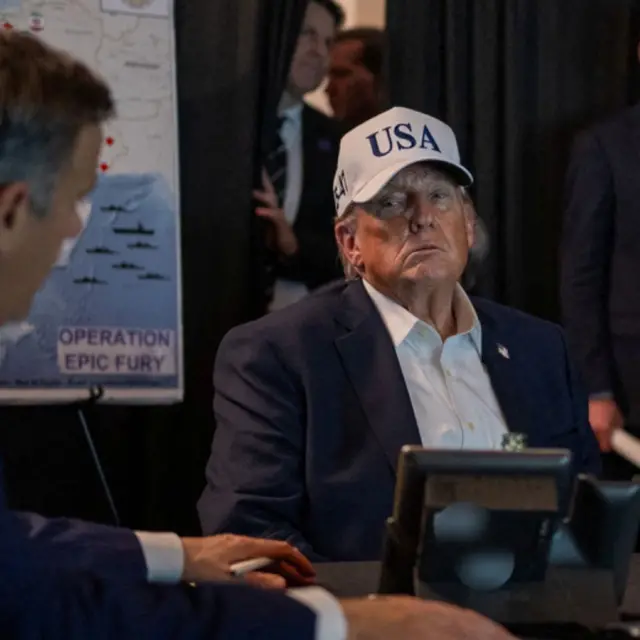
President Trump, who has long championed American economic dominance and viewed tourism as a key pillar of national prosperity, has reportedly expressed frustration over these trends in private briefings. Sources close to the administration describe him emphasizing the need to protect U.S. appeal against competitors, echoing sentiments that America should draw throngs of visitors rather than see them diverted elsewhere. While accounts of intense outbursts remain unconfirmed in detail, the president’s public posture has consistently framed such challenges as issues requiring swift corrective action to prevent foreign destinations from “stealing” economic benefits.
Factors Fueling the Tourism Downturn
Analysts point to a confluence of elements driving the reluctance among international travelers. Heightened political uncertainty surrounding the administration’s immigration policies has created apprehension. Stricter border vetting, including expanded device searches and potential requirements for social media history in visa waiver programs, has led some prospective visitors to perceive entry as unpredictable or risky.

Rising costs, from airline fares to accommodations influenced by inflation and currency fluctuations, compound the issue. Meanwhile, competing destinations have aggressively marketed themselves with attractive promotions. Canada, Mexico, and various European countries have rolled out incentives that highlight stability, affordability, and welcoming environments, drawing travelers who might otherwise have chosen New York, Orlando, Las Vegas, or San Francisco.
Particularly sharp drops have appeared in arrivals from key markets. Canadian visitors, traditionally the largest group of foreign tourists to the U.S., declined significantly, with some reports citing reductions approaching 28% in certain periods. European and Asian bookings have also softened, contributing to airline decisions to reduce international routes and leaving terminals with fewer long-haul flights.
States and cities reliant on tourism revenue—from Florida’s theme parks to Nevada’s casinos and California’s coastal attractions—have voiced concern over the economic ripple effects. Reduced visitor numbers translate to lower hotel occupancy, fewer restaurant reservations, diminished retail spending, and strain on local employment in hospitality sectors.
A Warning Sign for America’s Global Image
Tourism experts describe the trend as more than a temporary fluctuation; it represents a serious indicator of how perceptions of the United States are shifting abroad. One industry voice characterized the moment as a “warning sign” that the country’s traditional magnetism as a premier destination is waning under current conditions.
The administration has yet to outline comprehensive measures specifically targeting tourism revival, though broader economic policies aim to bolster domestic confidence and international relations. Critics argue that without addressing border experiences and political messaging, recovery could prove elusive, especially as global alternatives continue to gain ground.
As data continues to emerge in the coming months, the trajectory of international arrivals will likely remain a closely watched barometer of broader confidence in the United States as a welcoming and predictable place to visit. For now, the once-bustling international terminals serve as a quiet reminder of the challenges facing one of the nation’s most visible economic engines.






