TRUMP FROZEN IN SHOCK AS MAGA SECURITY ALLY EXPLODES — “$1 TRILLION WAR RISK” WARNING ERUPTS AFTER IRAN STRIKE BACKLASH
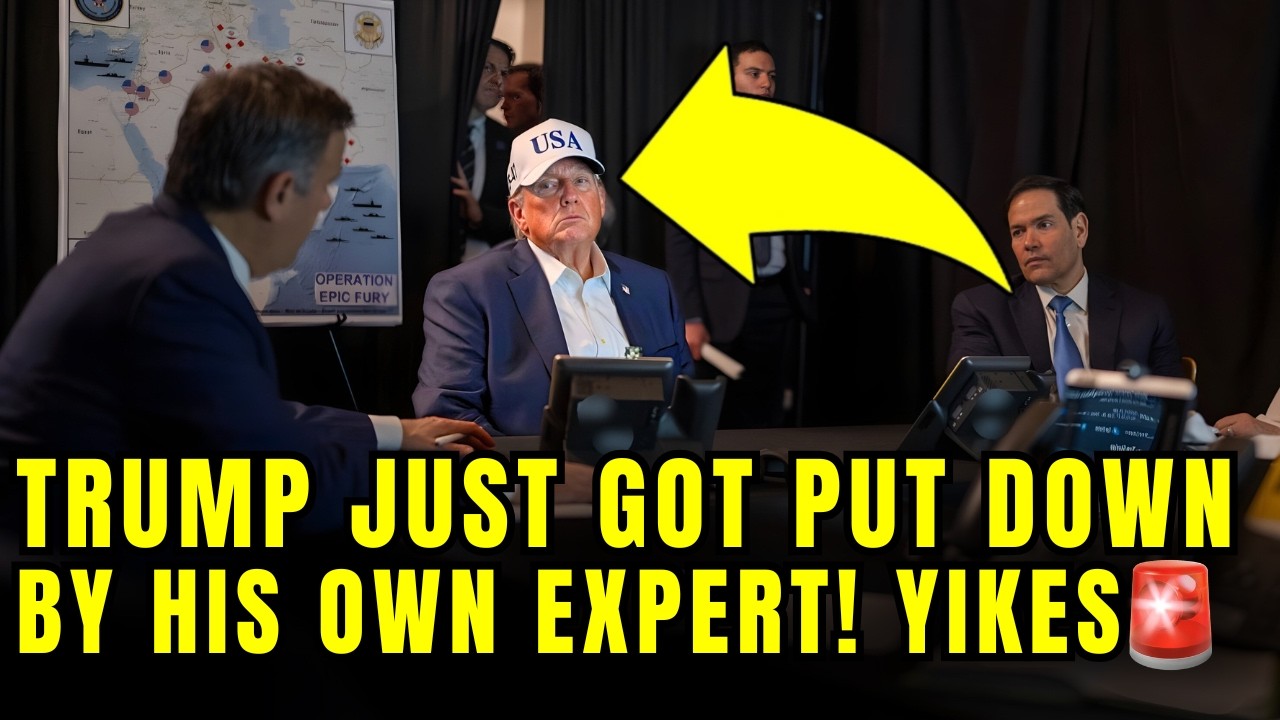
A Political Shockwave From Within Trump’s Own Support Network
A new political controversy has erupted in Washington after a longtime supporter of former President Donald Trump publicly warned that the escalating confrontation with Iran could carry staggering strategic and economic consequences. The warning — framed as a potential “$1 trillion war risk” for the United States and its allies — has intensified debate among lawmakers, military analysts, and national security experts.
The comments came from David Pine, a national security analyst and former U.S. Army officer who has previously identified himself as part of the “America First” policy camp that broadly aligned with many of Trump’s foreign-policy priorities. Pine’s remarks, however, signaled a rare public rupture within that political ecosystem.
The dispute centers on concerns surrounding potential U.S. military escalation in Iran and the possibility that a limited strike could transform into a much larger regional conflict.
Rising Tensions After Reports of Possible Military Escalation
The controversy intensified following reports that U.S. intelligence agencies had explored ways to support Kurdish forces opposed to the Iranian government. According to reporting cited in national security discussions, Kurdish opposition groups could potentially participate in operations in western Iran if a broader confrontation were to unfold.
Such reports quickly fueled debate in Washington about the legal authority for military action and whether Congress should be involved in decisions that could trigger a prolonged conflict.
Several lawmakers have argued that military action against Iran without congressional authorization raises constitutional concerns. Critics across the political spectrum have emphasized that war-making powers under the U.S. Constitution are shared between the executive branch and Congress, making consultation and oversight central to any long-term military strategy.
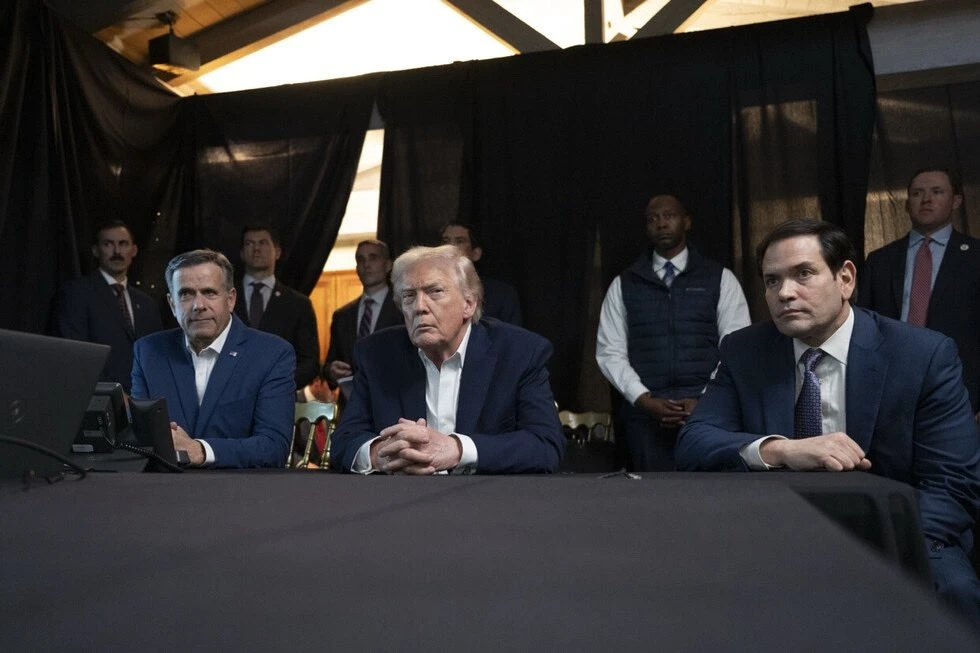
David Pine’s Warning: A Conflict That Could Expand Rapidly
In a series of social media posts and public comments, Pine argued that the risks of escalation in Iran may be underestimated. He suggested that the size and complexity of the country — geographically far larger than Iraq and with a population exceeding 80 million — could make any military operation significantly more complicated than earlier Middle East conflicts.
Pine predicted that if U.S. forces became directly involved on the ground alongside regional militias or allied forces, the conflict could last far longer than initially expected. According to his assessment, the war could stretch well beyond short-term military objectives and potentially last a year or more, depending on regional responses and the durability of Iranian resistance.
He also warned that a prolonged conflict could carry substantial human and financial costs, as well as unpredictable geopolitical consequences across the Middle East.
Debate Over Strategy and Long-Term U.S. Interests
Pine’s remarks have intensified broader policy debates about the strategic goals of U.S. involvement in the region. Some analysts argue that stronger action could deter Iranian influence across multiple conflict zones, including Iraq, Syria, and Yemen. Others caution that direct confrontation risks igniting a much wider regional war involving multiple state and non-state actors.
Foreign policy experts note that Iran’s network of regional alliances and proxy groups means that any escalation could spread quickly across the region, affecting global shipping routes, energy markets, and diplomatic relationships with U.S. partners.
Energy analysts have also warned that instability in the Persian Gulf — one of the world’s most critical oil transit corridors — could cause significant disruptions to global markets. Even the perception of military escalation has historically triggered rapid spikes in oil prices and volatility in financial markets.
Congressional Scrutiny and Constitutional Questions
The debate has also moved into Congress, where several lawmakers have requested classified briefings about the administration’s strategy toward Iran.
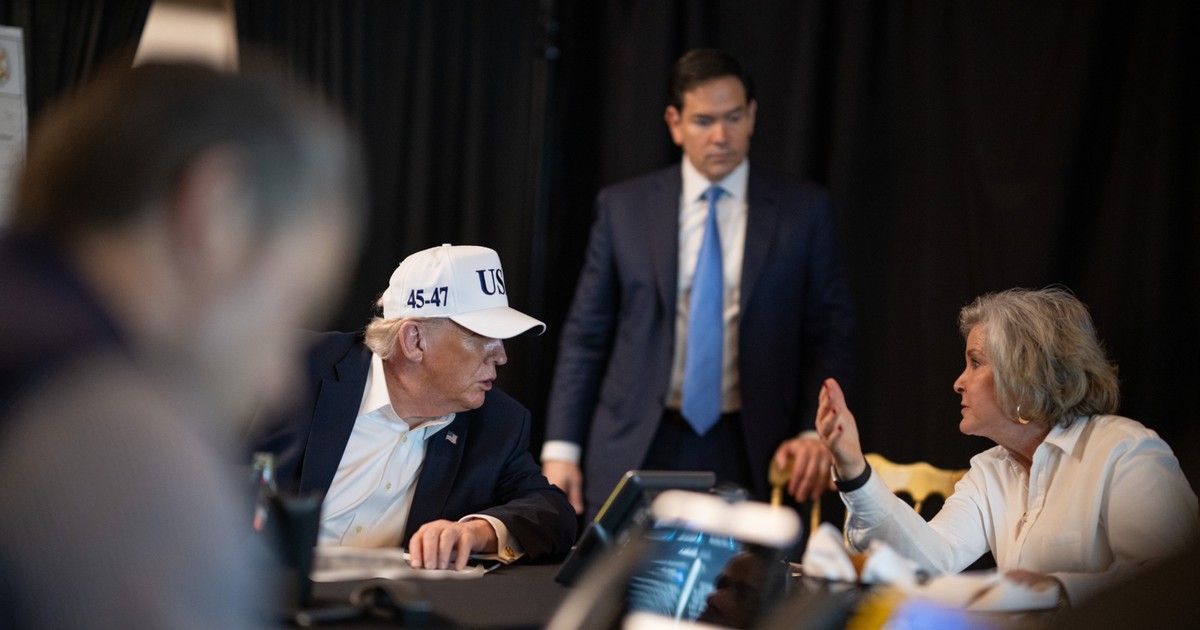
Some members of Congress have emphasized that any military engagement should be accompanied by a clearly defined strategy and an explanation of the potential national security threat. Others have raised concerns about the possibility of the United States becoming entangled in another prolonged Middle Eastern conflict.
These discussions have revived long-standing debates about executive war powers and the role of Congress in authorizing military action.
Trump’s Foreign Policy Record Under Renewed Examination
The controversy has also revived scrutiny of Trump’s broader military record. Analysts frequently note that during his presidency, the United States conducted military operations or strikes in multiple regions, including Syria, Iraq, Somalia, and Yemen.
Supporters of Trump’s approach have argued that these operations were necessary to maintain deterrence and combat terrorist networks. Critics, however, have pointed to the risk of expanding military engagements without a long-term diplomatic framework.
The renewed debate highlights how deeply divided Washington remains over the role of American military power in the Middle East.
The Broader Political Implications
Beyond national security concerns, the dispute carries clear political implications. Divisions within Trump-aligned policy circles could influence how Republican lawmakers approach future debates over military strategy and foreign policy.
At the same time, Democrats have continued to emphasize congressional oversight and transparency regarding military decision-making.
For many observers, the controversy underscores how foreign policy — particularly decisions involving military force — can quickly become one of the most polarizing issues in American politics.
A Defining Moment in the Debate Over U.S. Military Power
As tensions with Iran remain a subject of international concern, the clash between Trump supporters and national security analysts illustrates the complexity of modern geopolitical decision-making.
Whether the warning of a “$1 trillion war risk” proves exaggerated or prescient, the episode has already triggered an intense national conversation about strategy, constitutional authority, and the future direction of American foreign policy.
In Washington, where political alliances can shift quickly during moments of crisis, the debate surrounding Iran now represents one of the most closely watched developments in U.S. national security.






