Questions Raised After Trump Appears Fatigued During White House Technology Meeting
WASHINGTON — A White House meeting intended to highlight the rapid expansion of artificial intelligence infrastructure in the United States took an unexpected turn this week after a brief moment involving former President Donald Trump drew widespread attention among political observers and media analysts.
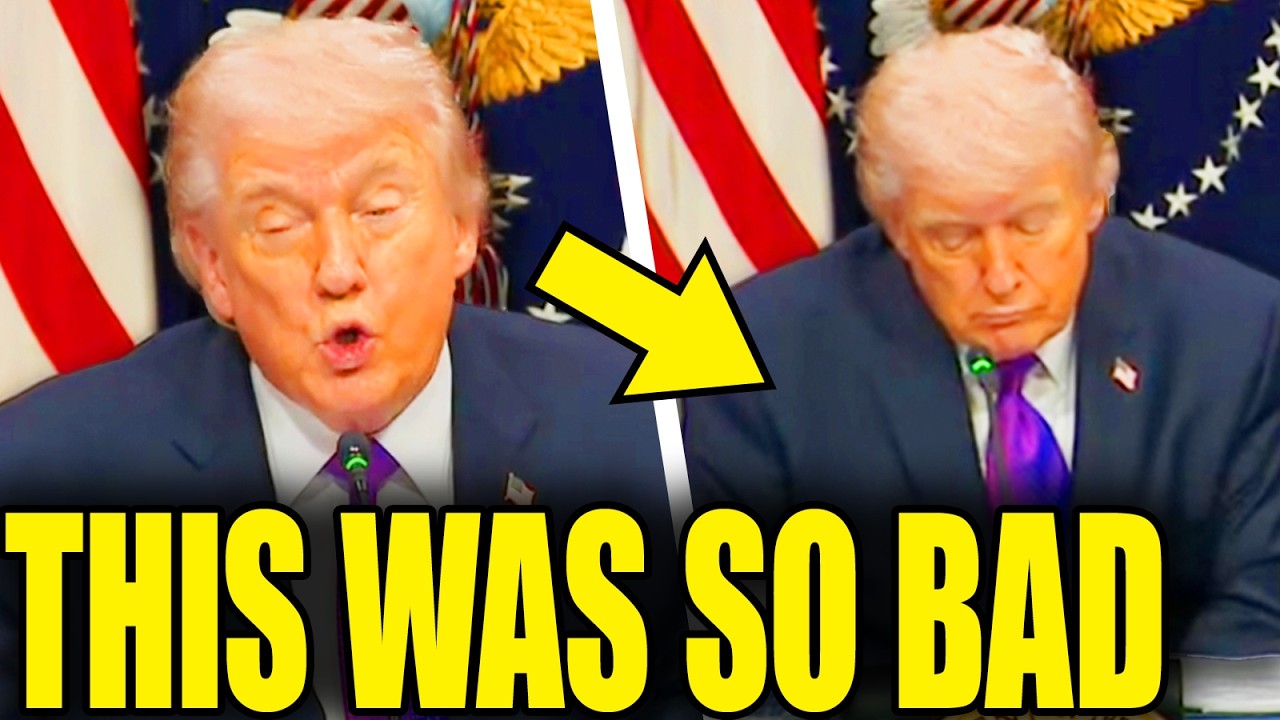
The event, organized to bring together government officials and technology executives, was meant to focus on one of the administration’s central economic themes: the energy demands of artificial intelligence and the infrastructure required to support it. As companies race to build massive data centers capable of powering advanced computing systems, policymakers have increasingly emphasized the need for expanded energy production and grid capacity.
But the policy discussion was briefly overshadowed by a moment during Trump’s remarks that quickly became a subject of debate in Washington.
While speaking about energy demand and economic growth, Trump appeared to pause and struggle through portions of his prepared comments. Later in the meeting, as another participant addressed the audience about the future of data centers and electricity consumption, cameras captured Trump sitting quietly with his eyes closed for several seconds.
The moment prompted immediate discussion among journalists and political commentators who follow presidential appearances closely.
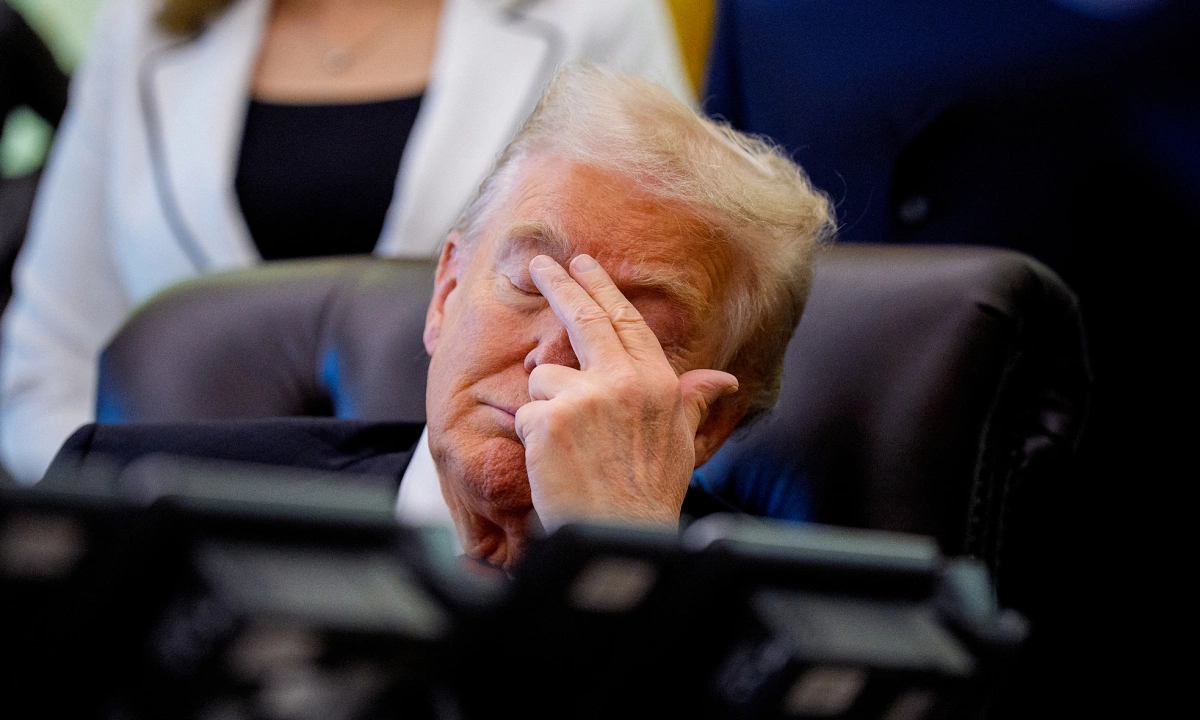
Some observers interpreted the episode as a sign of fatigue during a lengthy event, while others suggested it could fuel broader questions about the physical demands of leadership during a period marked by intense domestic and international pressures.
The White House has not publicly commented on the moment, and officials present at the meeting described the event as routine, emphasizing that the gathering had focused on economic strategy rather than political controversy.
Still, the episode quickly entered the ongoing national conversation about the health and stamina of political leaders — a topic that has increasingly shaped modern election cycles.
“Every public appearance is scrutinized now in a way that simply didn’t exist a generation ago,” said a communications analyst who studies presidential media coverage. “Short moments that might once have gone unnoticed can now become central to political debate.”
The meeting itself centered on the rapidly expanding role of artificial intelligence in the American economy. Technology companies have begun building massive computing facilities that require extraordinary amounts of electricity, prompting policymakers to consider how the country will meet those energy needs over the coming decades.
Executives attending the event discussed the construction of new data centers across the United States, many of which are designed to support machine learning systems capable of processing enormous amounts of information. These facilities, industry leaders say, could reshape everything from financial markets to medical research.
But they also present new challenges.
Experts warn that the electricity demands of large-scale computing could grow dramatically as AI systems become more complex. Some projections suggest that power consumption linked to data centers may more than triple within the next decade if development continues at its current pace.

During the meeting, speakers emphasized that maintaining reliable energy supplies will be essential if the United States hopes to remain competitive in global technology markets.
Trump himself framed the issue in economic terms, arguing that expanding domestic energy production would help stabilize electricity costs while supporting technological innovation.
Yet the conversation surrounding the event soon shifted away from policy details.
Within hours, the moment when Trump appeared fatigued became one of the most widely discussed elements of the gathering, illustrating how quickly political narratives can evolve in the digital age.
For critics, the episode added to broader concerns about leadership during a time of escalating international tensions, particularly as the United States navigates complex geopolitical challenges abroad.
Supporters, however, dismissed the speculation, arguing that brief moments captured during public appearances rarely tell the full story.
“Political figures are constantly under cameras for hours at a time,” said a Republican strategist familiar with White House communications. “Anyone can appear tired during a long event.”
The scrutiny reflects a broader shift in how modern audiences consume political news. With cameras recording nearly every public interaction and social media amplifying brief moments into viral discussions, even routine appearances can become defining images.
In that environment, political leaders often find themselves navigating not only policy debates but also the intense attention placed on their physical presence and communication style.
For now, the White House continues to focus on its technology and economic agenda, emphasizing partnerships with private industry to build the infrastructure needed for the next generation of artificial intelligence.
But the moment during this week’s meeting serves as a reminder that in contemporary politics, even a few seconds of unexpected footage can reshape the public conversation — sometimes far more quickly than the policy discussions that surround it.






