BREAKING: Israel Targets Iranian Leadership Meeting as Regional Tensions Escalate, Trump Says “I Acted First”
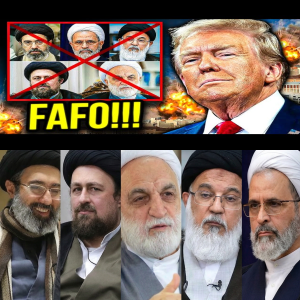
The situation in the Middle East continues to draw global attention after reports emerged that Israel carried out a strike targeting a high-level leadership meeting in Tehran. The gathering was reportedly discussing the selection of Iran’s next Supreme Leader.
According to regional sources, the operation was conducted based on precise intelligence. If confirmed, it could represent one of the most significant developments affecting Iran’s political leadership structure during a period of rising military tensions across the region.
Fox News correspondent Trey Yingst reported that the target of the strike was a meeting of Iran’s Supreme Council. Senior figures were allegedly gathered to discuss plans for a potential leadership transition within the country’s governing system.
At the same time, Iran continued launching missiles toward Israel. In the city of Bnei Brak near Tel Aviv, emergency responders reported that a warhead carrying multiple fragments landed in a residential area, causing considerable damage to an apartment building.
Local authorities said seven people were injured in the incident, including one person in moderate condition. Rescue officials noted that fortunately no fatalities were reported.
The incident occurred during the Jewish holiday of Purim, a time when many families and children were participating in celebrations on the streets. As a result, the event caused significant concern within the local community.
Meanwhile, former U.S. President Donald Trump made remarks that quickly attracted widespread attention regarding the situation in Iran. In an interview cited by several news outlets, Trump suggested that some Iranian leadership figures previously being monitored may no longer appear in recent reports.
“Most of the people we had in mind are no longer on the list,” Trump said. “There could be a new group emerging.”
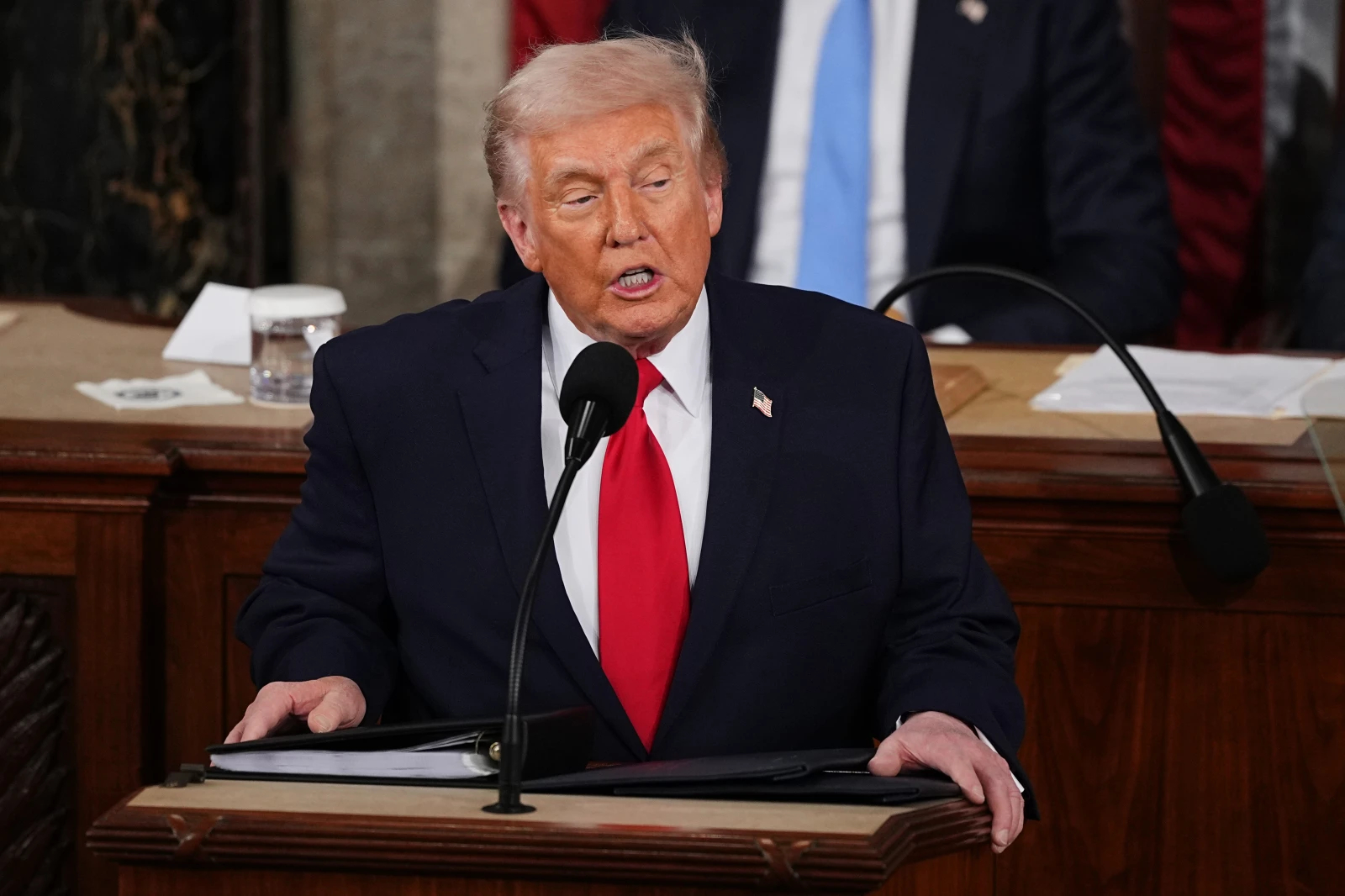
According to Trump, shifts within Iran’s leadership structure could potentially open the door to individuals who may adopt more moderate positions toward the region.
“We hope to see people who can bring stability and focus on the well-being of the population,” he said.
During the same interview, Trump also referred to past threats directed at him and said he had taken preventive action.
“I acted first,” he said, a statement that quickly spread across social media platforms.
Public reactions in the United States have been mixed. Some individuals who do not support Trump politically still acknowledged what they view as a decisive leadership style in international affairs.
“Whether you like him or not, he usually follows through on what he says,” one social media user commented in a widely shared video.
At the same time, European allies appear to be maintaining a cautious diplomatic stance amid the escalating tensions.
British Prime Minister Keir Starmer stated that the United Kingdom was not involved in military operations targeting Iran. In a televised address, he emphasized that the decision was intentional.
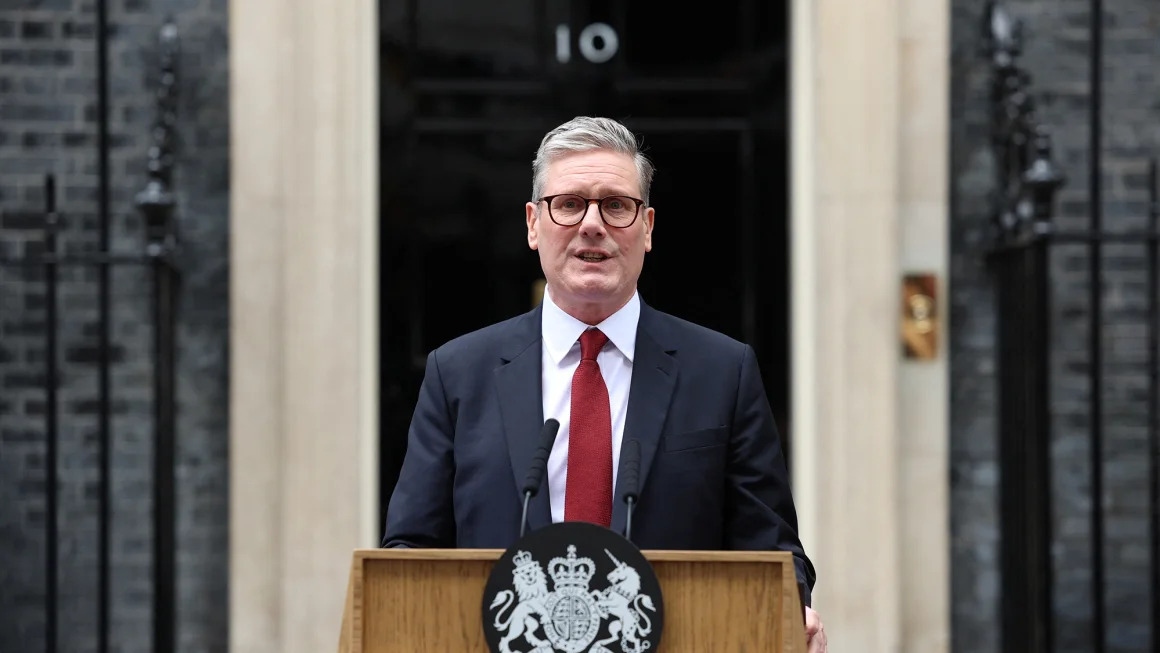
“Yesterday I said the United Kingdom was not involved in the strikes on Iran. That remains the case,” Starmer said.
He also warned that retaliatory attacks across the region had affected several locations, including airports and hotels where British citizens were staying.
A military facility in Bahrain where British personnel are stationed was also reportedly close to being impacted during recent missile activity.
Reports further indicate that some European governments are carefully evaluating whether to allow the use of their military bases for operations connected to Iran. According to international media, this has led to frustration among some U.S. leaders.
Despite these differences among Western allies, military analysts say recent events demonstrate Israel’s strong intelligence capabilities in tracking Iranian activities.
For now, the regional situation remains fluid. Iran continues military operations while Israel maintains its strategy of targeting facilities believed to be connected to Tehran’s military infrastructure.
With internal developments in Iran and ongoing military exchanges between the sides, analysts warn that the Middle East could face further shifts in the coming weeks.
The international community is closely watching as global powers consider their next steps in what is becoming an increasingly complex geopolitical crisis.






