Trump, Venezuela, and Bank Records: A Day That Shook American Politics

Washington — In less than 24 hours, President Donald Trump became the focal point of two simultaneous political shocks: a controversial military operation in Venezuela and a New York court order unsealing decades of previously confidential bank records tied to his business empire. Together, the developments intensified scrutiny of Mr. Trump at a moment when legal, political, and international pressures are converging.
Early in the morning, major U.S. television networks, including CNN, reported that Mr. Trump claimed the United States had carried out “large-scale strikes” in Venezuela overnight. According to the president, Venezuelan leader Nicolás Maduro and his wife, Cilia Flores, had been captured and flown out of the country. Attorney General Pam Bondi, in remarks circulated widely on social media, said the two had been indicted in the United States and would “soon face the full wrath of American justice.”
Venezuelan officials quickly rejected those claims. The country’s vice president appeared on state television, saying the government had no verified information about Mr. Maduro’s whereabouts and demanding proof of life from Washington. As of late in the day, no independent confirmation had emerged to substantiate the U.S. president’s assertions.
While analysts debated the credibility and implications of the Venezuela operation, a separate development in New York drew equally intense attention — particularly among legal experts and financial markets.
Bank Records Unsealed
A New York state judge ordered the release of extensive bank records connected to the Trump Organization, including accounts held at Deutsche Bank and Capital One. The decision stemmed from long-running civil litigation involving allegations that Mr. Trump and his company systematically inflated asset values to secure favorable loans and insurance terms.
Legal scholars noted that the unsealing of such records is unusual and carries significant symbolic weight. For years, Mr. Trump’s legal team had fought to keep the documents confidential, arguing that their disclosure would be misleading and politically motivated.
Once released, the records immediately became the subject of intense commentary across American media and social platforms. Progressive commentators on X (formerly Twitter), political YouTube channels, and Substack newsletters argued that the documents revealed patterns of questionable international transactions, aggressive asset valuation practices, and what they described as “systemic financial deception.” Some alleged that certain transfers were linked to foreign entities, including Russian-connected firms.
However, former prosecutors and banking law specialists cautioned against drawing premature conclusions. Bank records alone, they emphasized, do not constitute proof of criminal wrongdoing unless prosecutors establish intent and illegality. As of now, no new criminal indictments have been announced based directly on the disclosed materials.
Trump’s Response
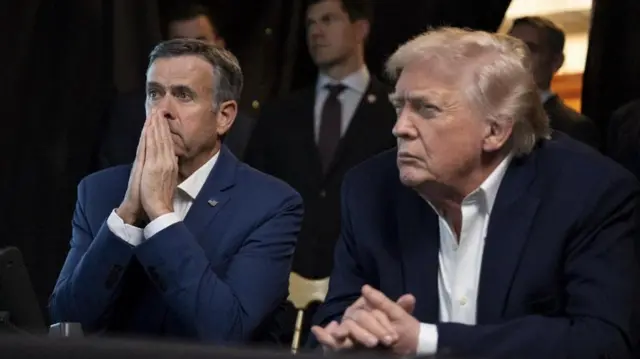
Mr. Trump reacted swiftly and angrily. In a series of posts on Truth Social, he denounced the court-ordered disclosure as an “illegal and corrupt witch hunt,” accusing New York’s judiciary of weaponizing the legal system against a sitting president.
“These are distorted financial documents, taken out of context and leaked to destroy a president,” Mr. Trump wrote, repeating a line of defense he has used repeatedly during past investigations.
His attorneys echoed that argument, stating that the financial transactions had been reviewed by banks, accountants, and regulators over many years without resulting in criminal charges. They accused the media of oversimplifying complex financial data to create a narrative of guilt.
Political and Economic Fallout
Despite the absence of new criminal charges, the political impact was immediate. Several House Democrats called for expanded congressional oversight, arguing that the bank records raised serious questions about financial transparency and potential conflicts of interest.
Some lawmakers signaled that financial issues could be incorporated into broader oversight or impeachment-related discussions already underway, though party leaders stopped short of announcing formal new proceedings.
Financial markets reacted cautiously. While there was no widespread sell-off, shares of major international banks — including Deutsche Bank — experienced modest volatility as investors reassessed reputational and regulatory risks.
A Battle of Narratives
Perhaps the most striking aspect of the day was not the events themselves, but how they were framed. Mainstream news organizations emphasized uncertainty, repeatedly noting that key claims — particularly regarding Venezuela — had not been independently verified. At the same time, partisan media and social platforms rapidly amplified more dramatic narratives, portraying the developments as evidence of an imminent collapse of the Trump presidency.
The contrast underscored the fractured nature of the American information environment, where allegations, counterclaims, and speculation can spread faster than official confirmation.
What Comes Next
In the days ahead, the White House is expected to clarify details surrounding U.S. actions in Venezuela, while New York courts continue to manage the legal consequences of releasing Mr. Trump’s financial records. Federal and state prosecutors have so far declined to comment on whether the newly public documents will lead to further investigations.
For President Trump, the convergence of military, legal, and financial controversies represents yet another stress test for a presidency defined by constant crisis — and by his ability to withstand it.






