The Wall of Silence Cracks: Inside Ted Lieu’s High-Stakes Interrogation of the Attorney General
WASHINGTON — In the high-stakes theater of the House Judiciary Committee, where grandstanding often obscures substance, a recent exchange between Representative Ted Lieu and Attorney General Pam Bondi has redefined the 2026 oversight cycle. What was intended to be a procedural review of the final Jeffrey Epstein document release instead transformed into a visceral, documented confrontation over the line between legal redaction and a systematic cover-up.

Representative Lieu, a former prosecutor known for his surgical precision, moved beyond the usual sparring to deliver what many are calling a “forensic demolition” of the Department of Justice’s recent conduct. The subject under the microscope: why the DOJ closed its investigation into “uncharged third parties” in July 2025, despite the existence of graphic photographic evidence and a paper trail that reaches the highest levels of global power.
The Photographic Dagger
The hearing’s most explosive moment occurred when Lieu produced two photographs of Andrew Mountbatten-Windsor (the former Prince Andrew) alongside a sex-trafficking victim. While the DOJ had redacted the victim’s face to comply with federal law, Lieu argued that the images themselves constituted “predicate evidence” that should have prevented the DOJ from closing the case last summer.
“These two photos staring you in the face are evidence of a crime,” Lieu said, his voice cutting through the hushed chamber. He then quoted a July 2025 DOJ memo that claimed no evidence existed to investigate third parties. “You have now established that we are looking at a sex trafficking victim… anyone who patronizes this operation is guilty of a crime. Why did you shut down this investigation?”
The ‘No Evidence’ Contradiction
The tension escalated when the questioning shifted to Donald Trump’s historical proximity to Epstein. When Attorney General Bondi asserted, under oath, that “there is no evidence that Donald Trump has committed a crime,” Lieu countered with a document that appears to directly challenge that narrative.
Lieu presented a witness statement from a former limo driver who had contacted the FBI’s National Threat Operations Center. The driver reported overhearing a 1990s phone conversation between Trump and Epstein regarding the abuse of a minor. “I believe you just lied under oath,” Lieu told Bondi, a statement that carries immense weight in a D.C. hearing room. “No one at the Department of Justice interviewed this witness. You need to interview this witness immediately.”
The 38,000 References and the ‘Sloppy Job’
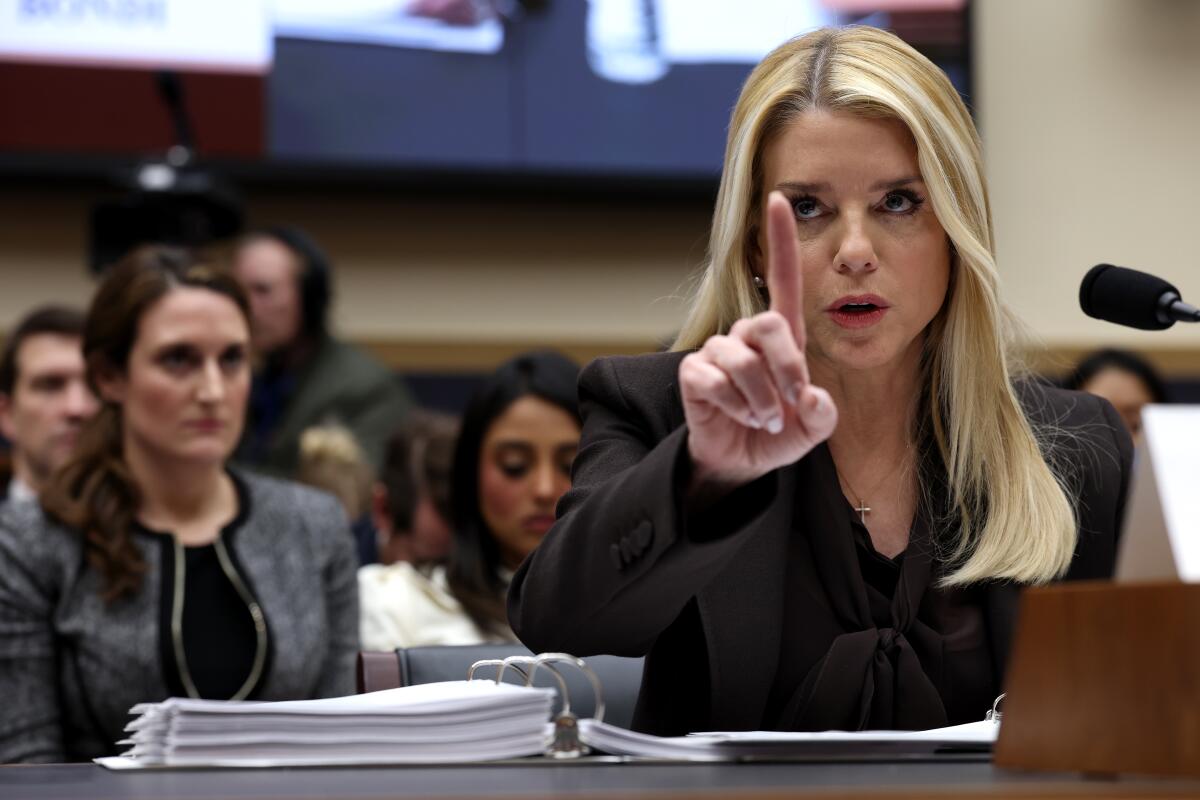
The backdrop of this confrontation is the release of over three million documents—the final batch under the Jeffrey Epstein Files Transparency Act. While the administration touts this as a landmark moment for transparency, the reality on the ground is far messier. Civil rights attorney Gloria Allred, representing several survivors, noted that the release was “at best, a sloppy job; at worst, it smacks of a cover-up.”
In an ironic twist, while the DOJ was criticized for withholding key prosecution memos, it was simultaneously lambasted for failing to redact the names of survivors. Several “Jane Does” who had fought for decades to maintain their anonymity found their names published in the latest data dump. This “selective transparency”—protecting powerful clients while exposing victims—has become the primary focal point for the committee’s investigation.
A Global Ripple Effect
The fallout from the 2026 disclosures is currently hitting the United Kingdom with more force than the United States. The images of Andrew Mountbatten-Windsor and the financial links between Epstein and former ambassador Peter Mandelson have dominated British headlines, forcing a recalibration of the “Special Relationship” between London and Washington.
Closer to home, the files also shed light on the correspondence of tech figures like Elon Musk and Bill Gates. While Musk noted he had “very little correspondence” and never visited the island, the files contain suggestions regarding other high-profile Americans that the DOJ has labeled “unsubstantiated.” However, with 38,000 references to the current president still being parsed by investigators, the claim that the investigation is “over” appears increasingly premature.
The Accountability Gap
The hearing concluded not with a resolution, but with a challenge. “You have the power to change things, to hold these men accountable, and you’re doing the opposite,” Lieu told Bondi. The Representative’s call for the Attorney General’s resignation highlights a growing sentiment among oversight hawks: that the institution of the DOJ is being used as a firewall rather than a sword.
As the 2026 midterm cycle approaches, the Epstein archives have evolved from a historical scandal into a live political crisis. The documents now exist on the permanent record, and as Representative Lieu demonstrated, they are harder to ignore when someone is holding them up to the light. The “wall of silence” may not have collapsed entirely, but in the House Judiciary Committee, the cracks have become impossible to miss.






