The Jeffrey Epstein case is back in the spotlight after fresh comments from survivor Lisa Phillips reignited questions about what federal investigators knew—and what may still be hidden.
Phillips, who has long spoken about abuse linked to Epstein’s trafficking network, says survivors are done waiting for official action. Her remarks challenge repeated claims by Trump-era Justice Department officials that no broader “client list” ever existed beyond Epstein and Ghislaine Maxwell.
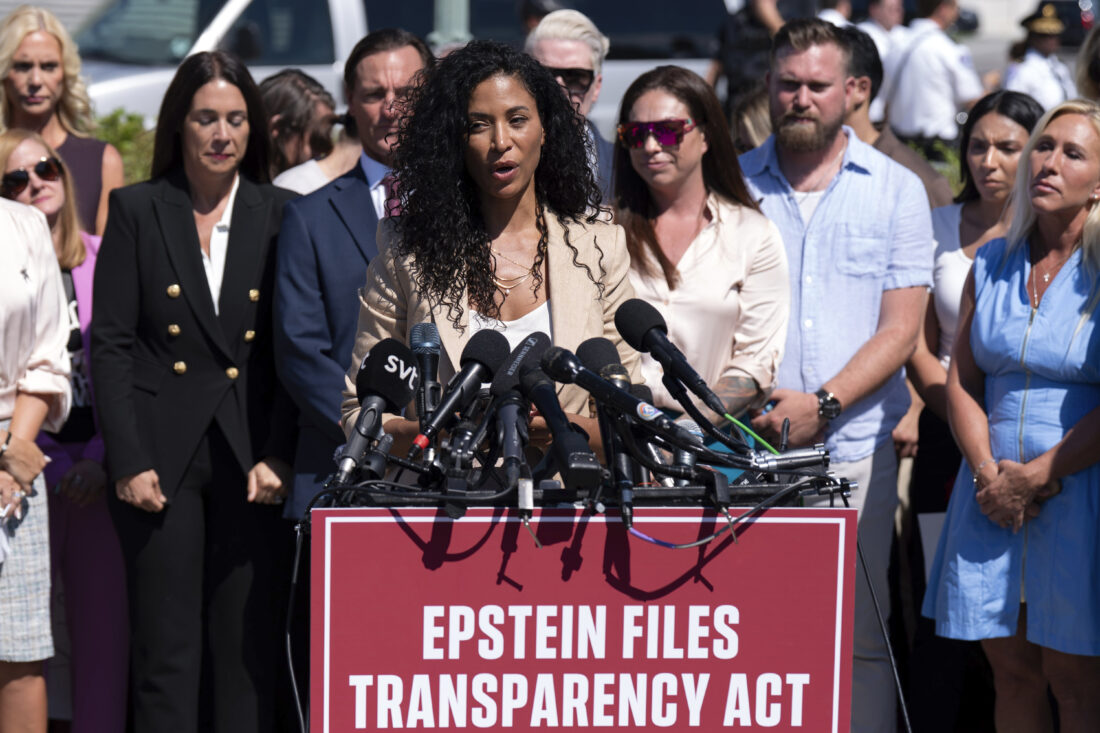
According to Phillips, survivors have spent years coordinating informally, comparing experiences to identify recurring patterns investigators never fully pursued.
“This isn’t rumor or speculation,” Phillips said. “It’s overlapping locations, timelines, institutions, and facilitators that keep showing up across survivor accounts.”
She argues that a victim pool often cited as exceeding 1,000 people is far too large for such similarities to be dismissed as coincidence. While no formal list has been released, Phillips says survivors are assembling what she calls a network map—built from shared experiences rather than official labels.

Legal experts caution that survivor testimony alone is not criminal proof. Still, advocates say the consistency of accounts demands renewed scrutiny.
“Patterns matter in trafficking cases,” said a former federal prosecutor. “They don’t prove guilt by themselves, but they’re often what forces investigators to look again.”
Official Denials, Private Doubts
During Donald Trump’s presidency, senior DOJ officials—including then–Attorney General William Barr—publicly maintained that Epstein acted largely alone. Similar statements were echoed later by DOJ representatives.
Survivors and advocates now point to internal FBI communications that reportedly reference “multiple co-conspirators” and ongoing coordination—language that appears to conflict with public messaging. The emails have not been fully released, and the FBI has declined to comment, but their existence has fueled doubts about whether the scope of Epstein’s network was minimized.
“When internal language doesn’t match public statements, credibility suffers,” said one legal analyst familiar with summaries of the emails.

A Missed Deadline—and a Million Documents
Skepticism deepened after the DOJ recently acknowledged more than one million additional Epstein-related documents that had not been previously identified—an admission that came after the department missed a court-ordered release deadline.
Officials describe the discovery as part of an ongoing archival review and deny any intentional concealment. Survivors and their attorneys are unconvinced.
“To ‘find’ a million documents after missing a deadline only reinforces the sense that the full story hasn’t been told,” said one victims’ attorney.

Trump’s Name Resurfaces—Cautiously
Phillips’ comments have also revived scrutiny of Donald Trump’s past proximity to Epstein. Trump has denied any involvement in Epstein’s crimes and says he cut ties years before Epstein’s arrest. No criminal charges have ever been brought against him, and no court has found evidence linking him to Epstein’s trafficking.
Still, critics argue that Trump-era DOJ insistence on a lone-actor narrative now looks increasingly contested by survivor accounts and emerging disclosures.
“This isn’t about accusing anyone,” Phillips said. “It’s about acknowledging that the investigation may have stopped short.”

A Case That Won’t Stay Closed
Epstein’s death in federal custody in 2019—officially ruled a suicide—left many questions unanswered. With Epstein gone and Maxwell convicted, survivors say accountability remains incomplete.
Advocates argue the case reflects deeper systemic failures in how powerful offenders are investigated and how survivor voices are weighed.
“The Epstein case was never just about one man,” said a trafficking expert. “It’s about access, influence, and whether justice applies equally.”
What Comes Next
There’s no sign of imminent new charges, but legal observers say mounting public pressure could lead to congressional inquiries, expanded document releases, or new civil actions.
For survivors like Phillips, the fight is far from over.
“We waited. We trusted the process,” she said. “Now we’re documenting our own truth.”
As demands for transparency grow, the Epstein case once again sits at the uneasy intersection of official conclusions, survivor testimony, and unanswered questions—proof that, for those who lived it, this story is not finished.