Canada Turns to Japan and the Indo-Pacific as Carney Seeks to Broaden the Nation’s Economic Horizon
TOKYO — Prime Minister Mark Carney wasted little time after arriving in Japan this week. Within hours of landing in Tokyo, he was seated across from Sanae Takaichi, announcing a sweeping strategic partnership between Canada and Japan that both leaders said would deepen cooperation in energy, defense, trade and advanced technology.
The agreement, unveiled after a rapid round of meetings, represents the latest step in Carney’s effort to expand Canada’s economic relationships across the Indo-Pacific. It also reflects a broader recalibration of Canada’s global strategy at a moment when its largest trading relationship — with the United States — has become increasingly unpredictable under President Donald Trump.
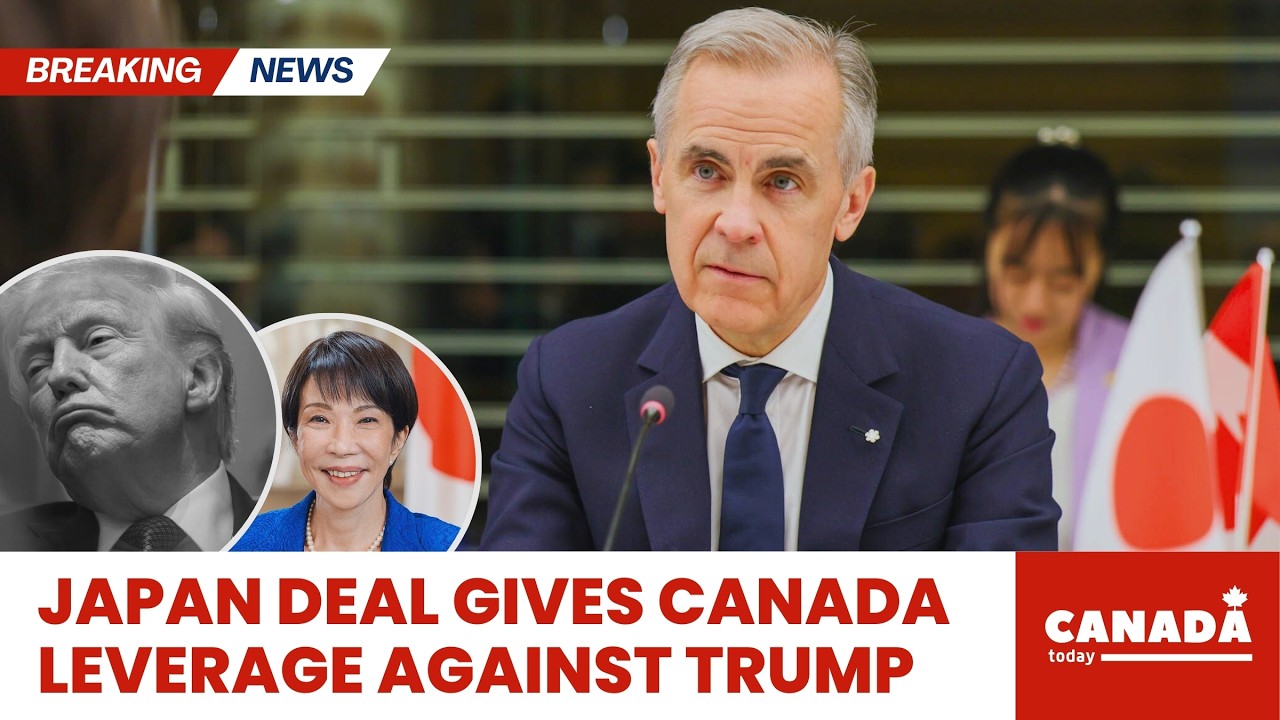
Officials from both governments said the new partnership would focus on several sectors that have become central to the global economy: liquefied natural gas projects, the development and processing of critical minerals, semiconductor cooperation, artificial intelligence research and emerging clean-energy technologies.
In practical terms, the agreement instructs economic and industry officials in both countries to begin identifying investment opportunities immediately. The goal is not simply to increase trade volumes but to build deeper supply-chain integration in industries that are expected to shape global economic power over the coming decades.
Behind the diplomatic language lies a simple calculation. Canada possesses vast natural resources — including rare earth minerals, lithium and cobalt — that are essential for batteries, electronics and defense systems. Japan, meanwhile, is one of the world’s most advanced manufacturing economies but relies heavily on stable external suppliers for many of those materials.
The partnership seeks to bring those complementary strengths together.
For Japan, the stakes are clear. In recent years, geopolitical tensions and supply-chain disruptions have exposed vulnerabilities in the country’s access to key materials. China dominates much of the world’s rare-earth processing, while Western governments have begun competing more aggressively to secure supplies of strategic resources.
Canada, with its extensive mineral reserves and political stability, has increasingly been viewed in Tokyo as a reliable long-term partner.
For Canada, the benefits are just as strategic.
Carney’s visit to Japan marks the final stop on an Indo-Pacific tour that has already included major economic discussions in India and Australia. Across those meetings, the prime minister has emphasized a consistent theme: Canada must diversify its economic relationships in a rapidly changing global landscape.

For decades, the United States has been Canada’s overwhelmingly dominant trading partner. That relationship remains foundational, but it has also left Canada vulnerable to shifts in American policy.
In recent years, Trump’s administration has repeatedly used tariffs and trade threats as negotiating tools with allies as well as rivals. While Canada has often managed to navigate those pressures, they have reinforced concerns in Ottawa about the risks of overdependence on a single market.
By expanding partnerships across the Indo-Pacific, Carney appears determined to reduce that vulnerability.
Energy is one of the clearest examples. Canada holds enormous natural-gas reserves and has been steadily expanding its liquefied natural gas export capacity. Japan, the world’s largest importer of LNG, is seeking long-term suppliers that can guarantee stable deliveries for decades.
Critical minerals present a similar opportunity. As demand for electric vehicles, advanced batteries and high-performance electronics continues to grow, access to these materials has become a strategic priority for governments around the world.
Analysts say Canada’s resource base gives it unusual leverage in these emerging industries.
“The country sits on precisely the materials that modern economies need,” said one trade expert familiar with the negotiations. “That creates natural partnerships with manufacturing powers like Japan.”
But the implications extend beyond individual industries.
Some policy analysts believe Carney is attempting to construct a broader economic network linking Indo-Pacific partners with European markets. If successful, such a network could create an alternative web of trade relationships that reduces reliance on any single country.
In that vision, Canada would act as both supplier and connector — providing energy and minerals while linking advanced economies across regions.
For Washington, the development is not necessarily a threat. Canada remains deeply integrated with the United States economy, and no realistic strategy could replace that relationship.
Yet diversification changes the balance of power.
If Canada can successfully expand its trade with major economies such as Japan, India and Australia — while maintaining its ties to Europe — the leverage Washington holds in bilateral negotiations may gradually diminish.
In diplomatic terms, that shift is subtle. In economic terms, it could prove significant.
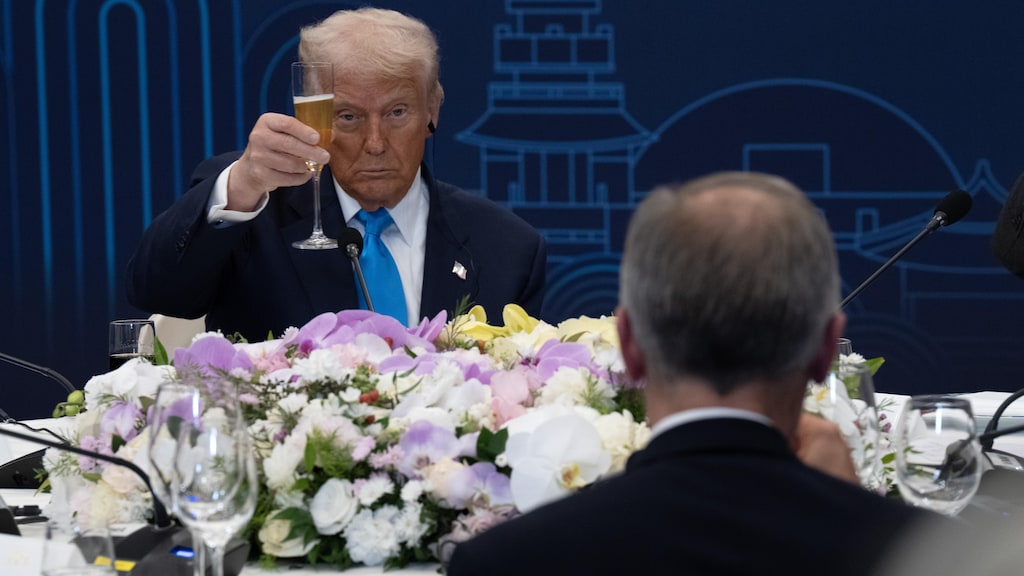
What unfolded in Tokyo this week was therefore more than a routine trade announcement. It was a glimpse of a longer strategy unfolding across multiple continents.
From New Delhi to Canberra and now Tokyo, Carney is pursuing a steady campaign to expand Canada’s economic options. Each agreement strengthens new supply chains, opens new markets and reinforces the country’s role in industries that will shape the next phase of global growth.
Whether that strategy ultimately reshapes Canada’s position in the global economy remains uncertain. But the pace of diplomacy suggests Ottawa sees little time to waste.
And if the meetings in Tokyo are any indication, Canada’s effort to broaden its economic horizon has already begun in earnest.






