Trump Panics as Epstein Files Expose Extensive Ties, Flight Logs Contradict Denials
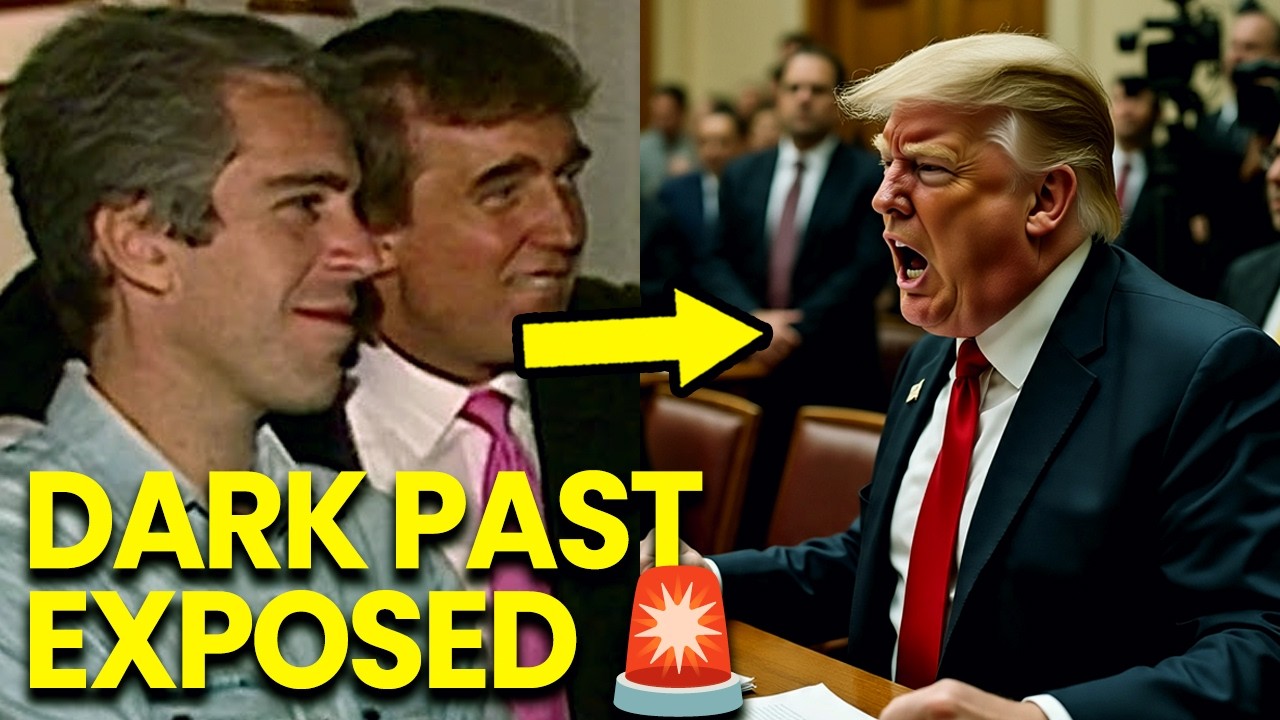
WASHINGTON — President Donald Trump is facing renewed scrutiny after the Justice Department released more than 3 million pages of Jeffrey Epstein investigative files, including FBI interview notes, flight logs and prosecutor emails that document his connections to the disgraced financier far more extensively than he has publicly acknowledged. The files, released under the Epstein Files Transparency Act Trump signed, show Trump’s name appearing more than 1,000 times across 5,300 documents, prompting Democrats and some Republicans to demand full transparency and answers about apparent withholdings.
Flight records detailed in internal prosecutor emails indicate Trump flew on Epstein’s private jet at least eight times between 1993 and 1996 — directly contradicting his 2024 claim that he was “never on Epstein’s plane.” One documented flight listed Trump, Epstein and a 20-year-old woman as passengers. Trump has long described their relationship as minimal, a passing social acquaintance from overlapping circles in Palm Beach and New York. He previously called Epstein a “terrific guy” before distancing himself after Epstein’s crimes became public.
FBI interview notes describe Ghislaine Maxwell presenting a young woman to Trump at a New York gathering, with Maxwell later telling the woman Trump was “lucky” and she was “available.” The victim told agents nothing happened, but the note — now part of the public record — places Trump in a context central to how prosecutors established Epstein and Maxwell operated their network. The files also include Epstein’s personal archive of media clippings and information about prominent figures, with Trump appearing prominently — suggesting Epstein viewed their connection as meaningful and worth tracking.
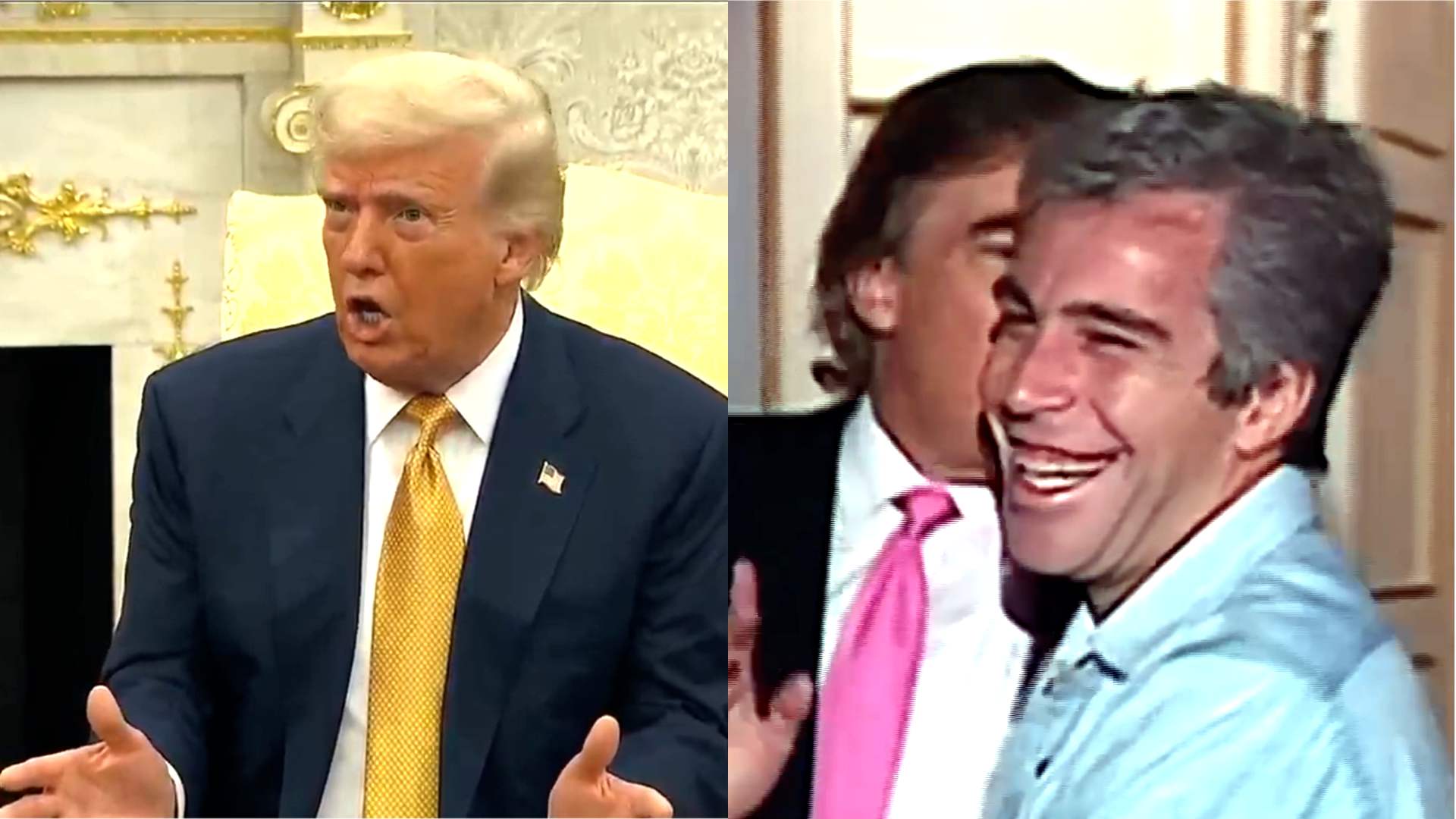
Unverified allegations in FBI documents include anonymous claims of sexual assault involving Trump decades ago, echoing a dropped 2016 lawsuit. These remain unsubstantiated, with no criminal charges resulting, but their presence in official records has fueled demands for clarity on why dozens of related pages appear missing from the public database. Critics accuse the Trump DOJ of strategic redactions and delays to shield allies, including Trump himself.
The release has implicated Trump’s inner circle. Commerce Secretary Howard Lutnick appears in emails about a family trip to Epstein’s island years after claiming to have cut ties. Steve Bannon exchanged joking emails with Epstein and conducted a video interview apparently aimed at rehabilitating Epstein’s image. These connections extend the reputational damage beyond Trump personally, raising questions about the broader orbit now in power.
Trump has denied wrongdoing, insisting he “barely knew” Epstein and cut ties long ago. White House officials dismissed the files as recycled material and unverified claims, but the volume and specificity — flight logs, FBI notes, Maxwell-related documents — have made the “barely knew him” narrative difficult to sustain. Congressional Democrats, joined by some Republicans, are pushing for unredacted releases and answers on missing pages.
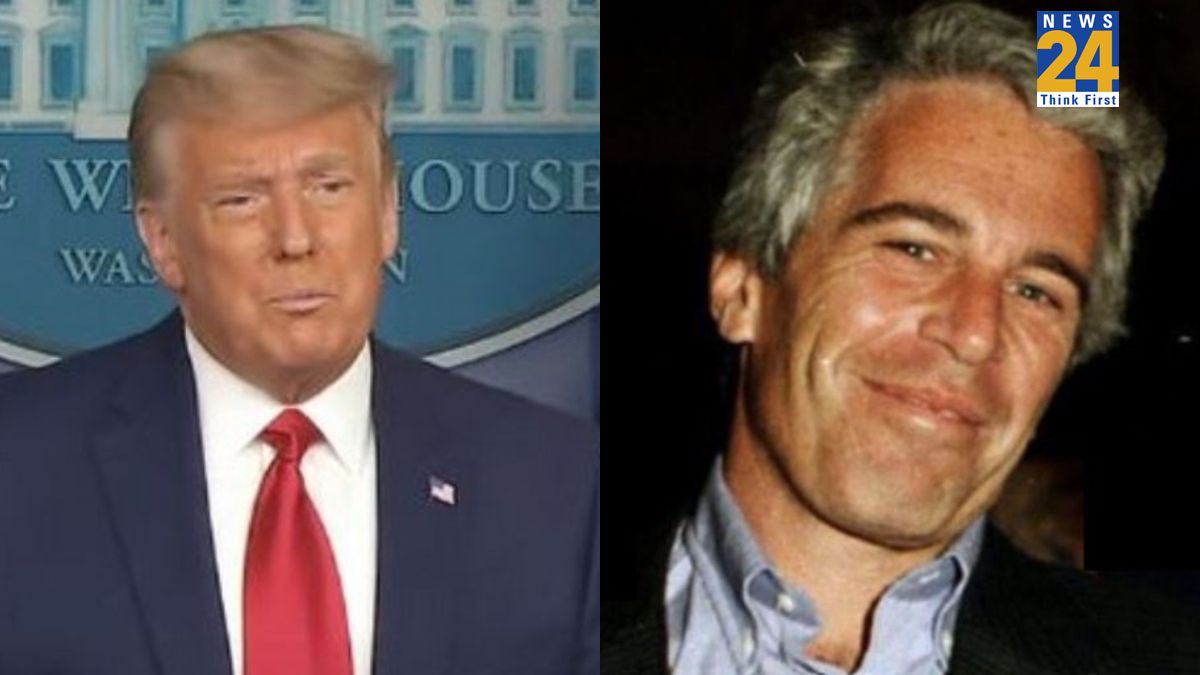
Public reaction has been swift and polarized. Polls show independents increasingly skeptical of Trump’s handling of the scandal, with approval ratings dipping amid unrelated controversies. Survivors of Epstein’s abuse and advocates continue demanding full transparency, arguing the files reveal a network of power and impunity that protected Epstein for years.
The release marks a turning point: Official government documents now permanently contradict key public statements, creating a record investigators, civil lawyers and Congress can build on. Whether further analysis yields new revelations or legal consequences remains unclear, but the Epstein files have shifted from speculation to documented reality — and Trump’s past entanglement is now inescapable.