🔥 FURIOUS Denmark PREPARES for WORLD WAR Scenarios as Trump “Invasion” Talk Sparks Global Alarm 🚨
What began as heated rhetoric and speculative chatter quickly escalated into a surge of international concern, as Denmark found itself thrust into the center of a rapidly intensifying geopolitical debate. Reports circulating through diplomatic and media channels suggested Danish officials were quietly reviewing emergency defense frameworks after remarks attributed to Donald Trump reignited fears about territorial pressure, alliance stress, and the fragility of long-standing security assumptions in Northern Europe. The tone shifted almost overnight—from disbelief to sober calculation—as analysts warned that even the suggestion of military confrontation can ripple across alliances with destabilizing speed.
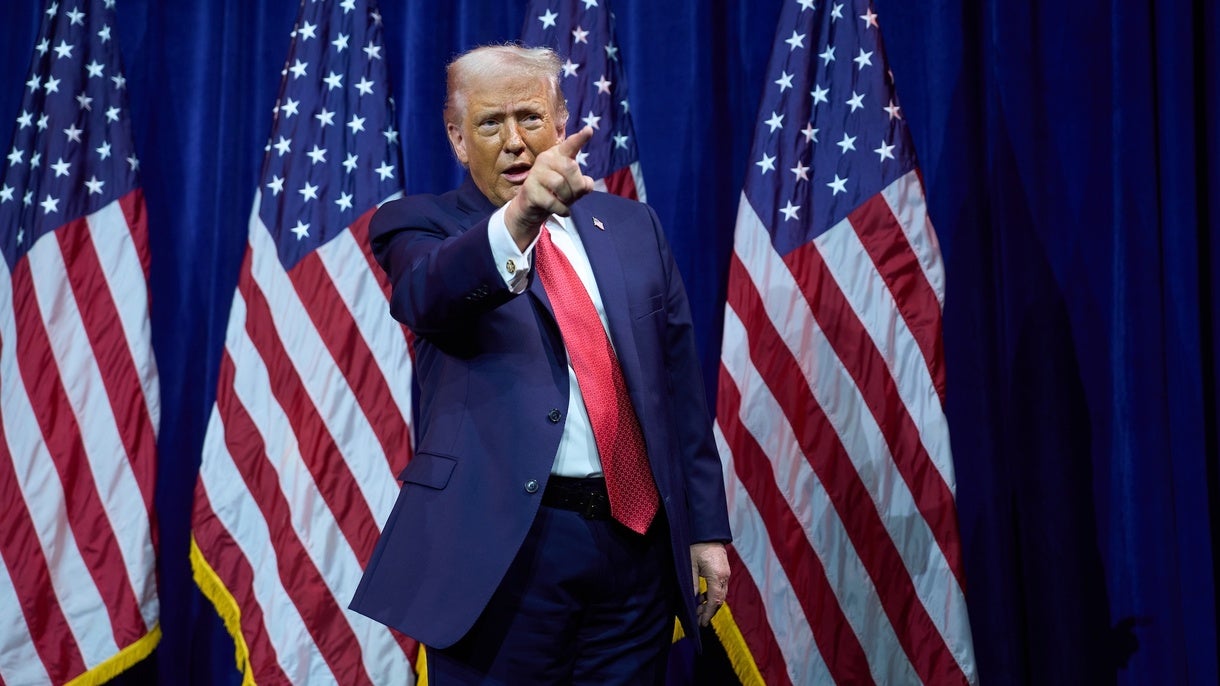
Denmark’s reaction, officials insist, should not be read as panic but as prudence. As a small nation with strategic geography—sitting astride key Arctic routes and hosting critical NATO infrastructure—Copenhagen has long maintained contingency planning as a matter of routine. Still, the timing drew attention. Defense planners reportedly revisited tabletop exercises focused on high-intensity conflict scenarios, energy security disruptions, and cyber escalation, all while stressing that no immediate threat had been identified. In a region accustomed to calm coordination, the optics alone were enough to raise eyebrows.
At the center of the storm were comments and interpretations tied to Trump’s combative style, which critics say can blur the line between rhetorical pressure and perceived intent. Supporters argue the remarks were mischaracterized—political bluster amplified by a hyper-reactive media ecosystem. But for governments tasked with safeguarding borders and alliances, ambiguity itself is a risk. As one European security analyst put it, “States plan for capabilities and signals, not intentions—and signals matter.”
Behind closed doors, European leaders moved quickly to project unity. Statements emphasized NATO’s collective defense commitments, underscoring that any member’s security is inseparable from the alliance as a whole. Diplomats quietly coordinated messaging to reassure markets and populations alike, wary that alarmist interpretations could snowball into economic or political shocks. The goal, insiders said, was to cool temperatures without dismissing legitimate concerns raised by the rhetoric.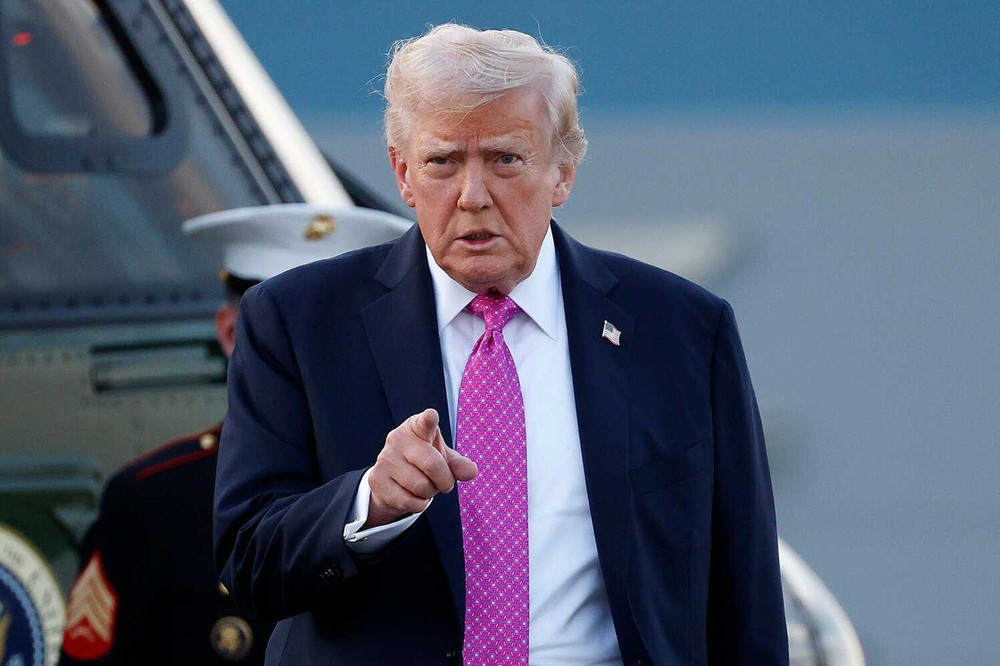
Trump’s circle, meanwhile, pushed back hard. Allies described irritation at what they characterized as overreaction, insisting that talk of “invasion scenarios” distorted the original remarks beyond recognition. The former president himself bristled at the backlash, framing it as another example of adversaries and critics weaponizing speculation to undermine his posture on national strength. In typical fashion, the response escalated the attention, ensuring the controversy remained front-page news.
The Arctic dimension added fuel to the debate. Melting ice and expanding shipping lanes have transformed the High North into a strategic crossroads, intensifying competition among major powers. Denmark, through Greenland, occupies a pivotal role in this evolving landscape. Any hint of confrontation—however theoretical—touches nerves across Europe and North America, where energy routes, undersea cables, and early-warning systems intersect. Analysts noted that the region’s importance magnifies the impact of rhetoric, turning words into perceived pressure points.
Media coverage amplified the sense of urgency. Headlines warned of “World War scenarios,” while commentators debated whether such framing clarified or clouded reality. Some argued that dramatic language risks normalizing fear, while others countered that downplaying risks invites complacency. The result was a feedback loop: heightened coverage drove public anxiety, which in turn demanded clearer reassurances from officials already navigating sensitive diplomacy.
Public reaction in Denmark reflected that tension. While there was no widespread panic, discussions about civil preparedness, energy resilience, and alliance obligations surged. Polls suggested a renewed appreciation for NATO membership and defense investment, alongside frustration at being dragged into geopolitical theatrics beyond Copenhagen’s control. “We didn’t choose this spotlight,” one lawmaker remarked, “but we have to manage it responsibly.”
Across Europe, the episode reopened broader questions about leadership style and global stability. Can forceful rhetoric deter adversaries without unnerving allies? Where is the line between strategic ambiguity and reckless signaling? Veterans of diplomacy warned that history offers sobering lessons about miscalculation, particularly when domestic politics bleed into international messaging.
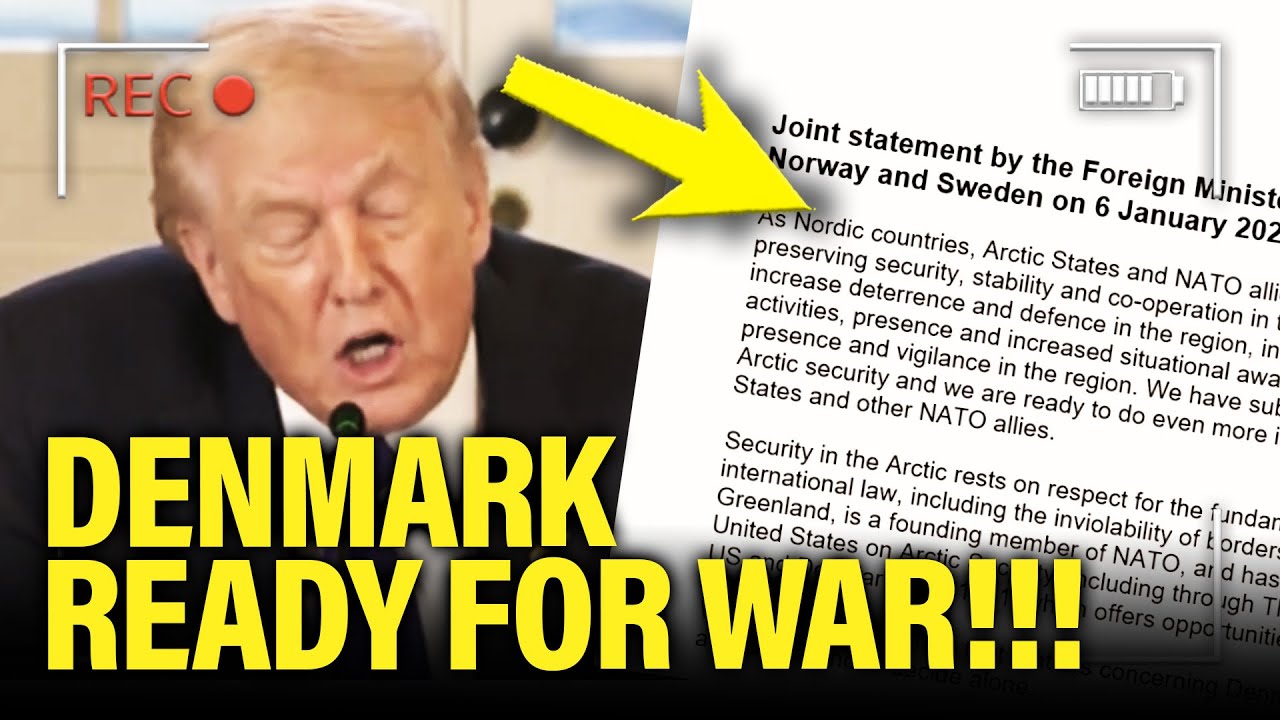
For now, officials on all sides emphasize restraint. Denmark’s defense reviews are framed as precautionary, not reactive. NATO continues routine exercises and consultations, insisting that deterrence and dialogue remain complementary. And while Trump’s remarks continue to be dissected, no concrete policy shift has followed—an important distinction often lost in the noise.
Still, the incident leaves a lingering aftertaste. In an interconnected world, perception travels faster than clarification. A phrase uttered for political effect can trigger contingency plans continents away, not because war is imminent, but because uncertainty is costly. As one strategist observed, “The danger isn’t that anyone wants conflict—it’s that confusion creates momentum.”
As speculation spreads and tensions simmer, one reality stands out: the episode has exposed how brittle global confidence can be when rhetoric outpaces reassurance. Whether this moment fades as another media storm or hardens into a cautionary tale about signaling and restraint will depend on what comes next. For Denmark, Europe, and a watching world, the priority is clear—keep preparation quiet, diplomacy loud, and the line between words and war unmistakably bright. ⚡






