Judge Confronts Pam Bondi Over Epstein Files in Explosive Hearing That Sparks Perjury Calls
A dramatic confrontation in Washington has thrust Pam Bondi into the center of a growing political storm after lawmakers accused her of misleading Congress during a tense House hearing about the Jeffrey Epstein case. The explosive exchange, which unfolded during a United States House Judiciary Committee session in February 2026, has triggered calls for an independent investigation into whether the nation’s top law-enforcement official may have committed perjury under oath.
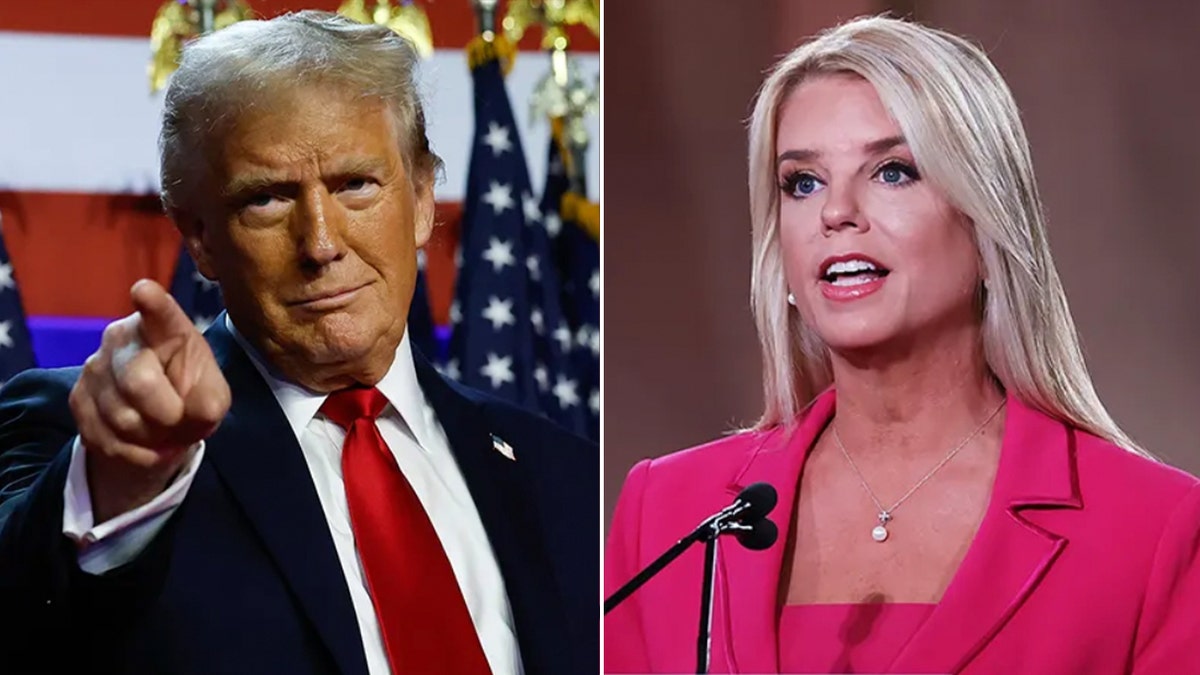
The controversy began when Bondi testified that there was “no evidence” linking Donald Trump to criminal activity related to Epstein’s trafficking network. Because the testimony was delivered under oath before Congress, the statement immediately carried legal weight. However, the situation escalated when documents from the Justice Department connected to the Epstein investigation were later released following pressure from federal courts.
Those records, which judges had ordered the government to disclose, reportedly included information referencing interactions between Trump and Epstein. The timing of the document release created a direct contradiction with Bondi’s earlier testimony, prompting lawmakers to question whether the attorney general had either misrepresented the evidence or failed to review materials already held by her own department.
During the hearing, Democratic lawmakers—including Ted Lieu—pressed Bondi aggressively about the discrepancy. Instead of clarifying her earlier statement, the exchange quickly devolved into a heated argument. Witnesses described the hearing as chaotic, with Bondi pushing back against accusations and telling her critics “shame on you” as tensions escalated inside the chamber.
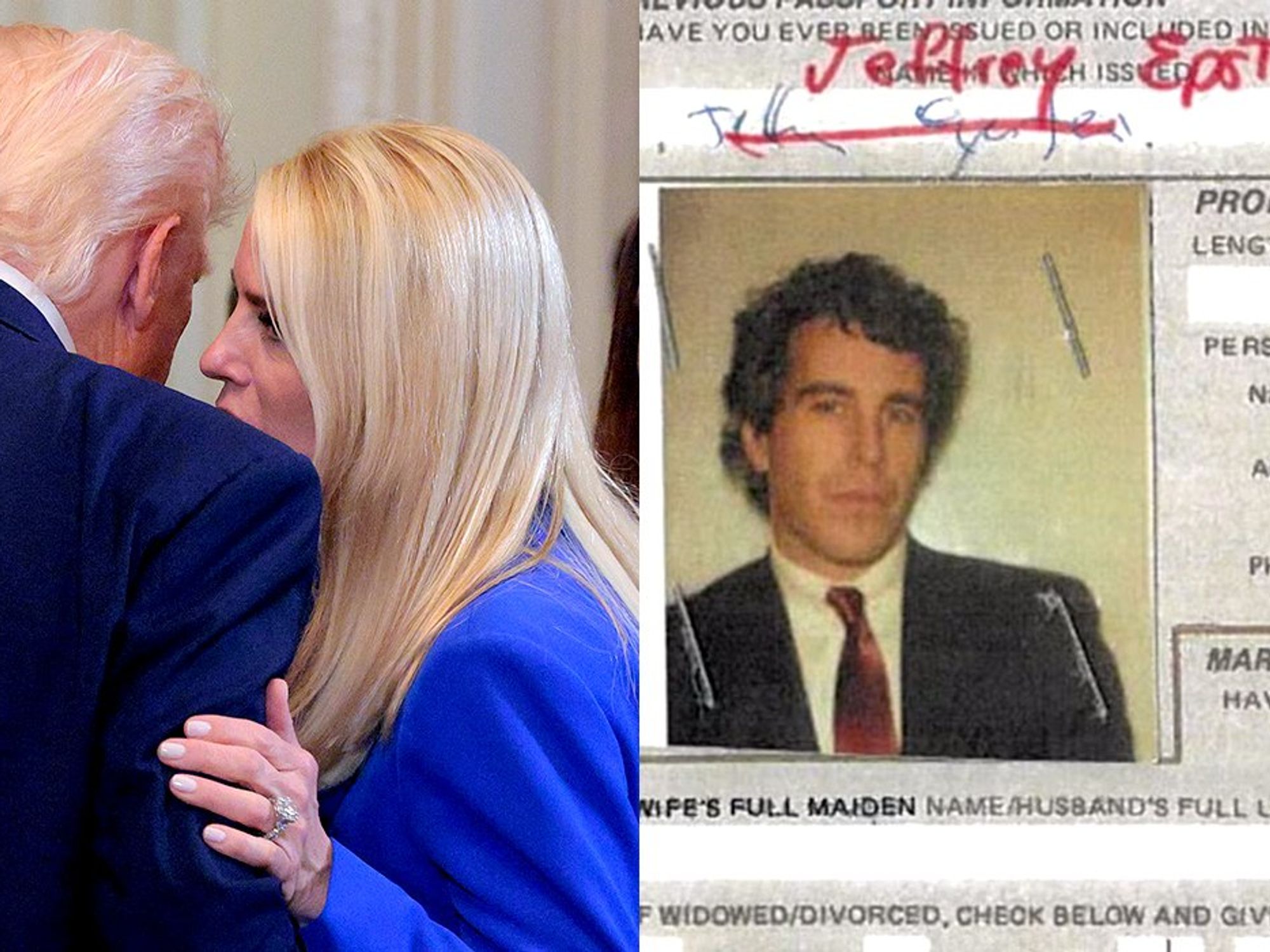
The confrontation became even more emotionally charged because several survivors connected to Epstein’s trafficking operation were reportedly present in the room. Critics argued that the focus of the hearing should have been justice for victims rather than political disputes over protecting powerful figures associated with the case.
Just two weeks after the hearing, Representatives Ted Lieu and Dan Goldman formally requested that the Justice Department appoint a special counsel to investigate whether Bondi lied to Congress. Their letter argued that the contradiction between her testimony and the released documents raised serious legal concerns that warranted an independent probe.
If such an investigation moves forward, it could create major consequences for both Bondi and the broader administration. Allegations that a sitting attorney general may have misled Congress strike at the credibility of the Justice Department itself—and could transform the Epstein files controversy into one of the most significant legal and political battles facing Washington in 2026.






