Lawmakers Press Attorney General Over Alleged DOJ Settlement in Heated Oversight Hearing
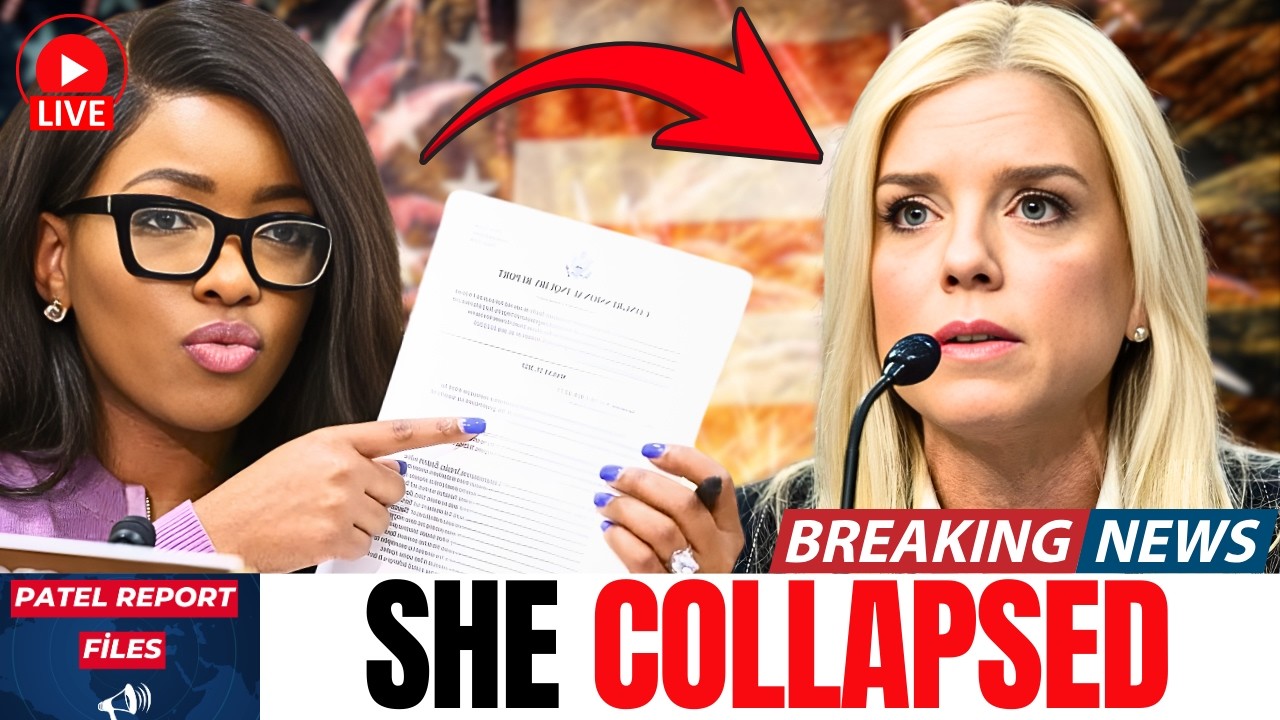
Washington, D.C. — A tense exchange unfolded during a House Oversight Committee hearing Thursday after Rep. Jasmine Crockett (D-TX) questioned Attorney General Pam Bondi about an alleged $2.3 million settlement tied to matters connected to Jeffrey Epstein.
The confrontation, which lasted several minutes, centered on documents Crockett said were obtained through internal correspondence. During the hearing, Crockett displayed what she described as three pages of email communications referencing a “settlement authorization” and a subsequent directive limiting public disclosure.
Bondi declined to provide detailed responses during portions of the exchange, and at one point her legal counsel indicated she would not answer certain questions on advice of counsel. The moment led to a prolonged silence that several observers in the room described as unusual for a high-profile oversight session.
Allegations Raised During the Hearing
Crockett asserted that the documents showed:
-
A $2.3 million payment categorized as a legal settlement
-
A directive designating related materials as protected under attorney work-product doctrine
-
Internal instructions limiting public disclosure through the Freedom of Information Act (FOIA) process
Bondi did not confirm the authenticity of the documents during the session. Instead, she stated that settlement decisions within the Department of Justice involve “complex legal considerations” and are often subject to confidentiality protections.
Her office has not publicly released a statement verifying or disputing the specific documents referenced during the hearing.
Questions About Transparency

The exchange highlighted broader concerns about transparency in cases connected to Jeffrey Epstein, whose criminal activities and death in federal custody have fueled years of public scrutiny and congressional interest.
Members of both parties have previously called for increased disclosure of investigative materials, though federal officials have consistently cited privacy protections for victims and legal constraints on releasing sensitive documents.
Legal experts note that:
-
Attorney-client privilege and work-product protections can apply in certain settlement contexts
-
FOIA exemptions allow agencies to withhold materials tied to ongoing investigations or sensitive legal strategies
-
Invoking the Fifth Amendment does not constitute an admission of guilt but signals a refusal to answer questions that could potentially create legal exposure
What Happens Next
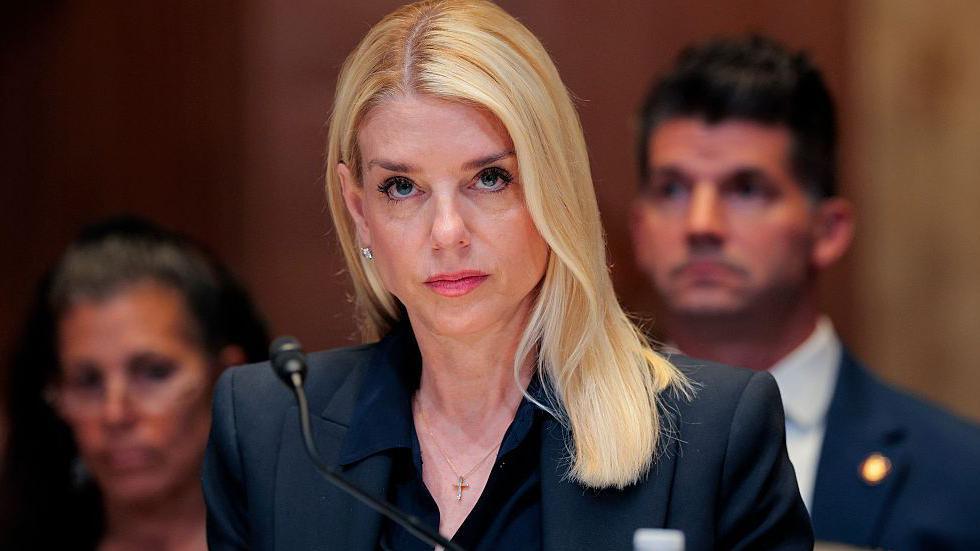
Committee members indicated the documents referenced during the hearing may be formally submitted into the congressional record pending review. It remains unclear whether the Oversight Committee will pursue subpoenas or request additional documentation.
As of now, there has been no public confirmation from the Department of Justice verifying a settlement payment structured in the manner described during the hearing.
The exchange underscores ongoing political tension surrounding transparency, oversight authority, and unresolved public questions connected to the Epstein investigation.






