President Donald J. Trump Attends Dignified Transfer of Fallen Soldiers Amid Controversy Over Attire
Dover Air Force Base, Del. — On a somber Saturday afternoon in early March 2026, President Donald J. Trump stood on the tarmac at Dover Air Force Base as the flag-draped transfer cases bearing the remains of six American service members were solemnly carried from a military transport plane. The ceremony, known as a dignified transfer, marked the return to American soil of troops killed days earlier in a drone strike in Kuwait — an attack that occurred amid the escalating U.S.-Israel military campaign against Iran.
The six fallen soldiers — Maj. Jeffrey R. O’Brien, 45; Capt. Cody A. Khork, 35; Chief Warrant Officer 3 Robert M. Marzan, 54; Sgt. 1st Class Nicole M. Amor, 39; Sgt. 1st Class Noah L. Tietjens, 42; and Sgt. Declan J. Coady, 20 — were part of the 103rd Sustainment Command, Army Reserve units struck at a makeshift operations center in Kuwait’s Shuaiba port on March 1. Their deaths represented the first significant American casualties in the conflict that began with strikes on Iranian targets in late February.
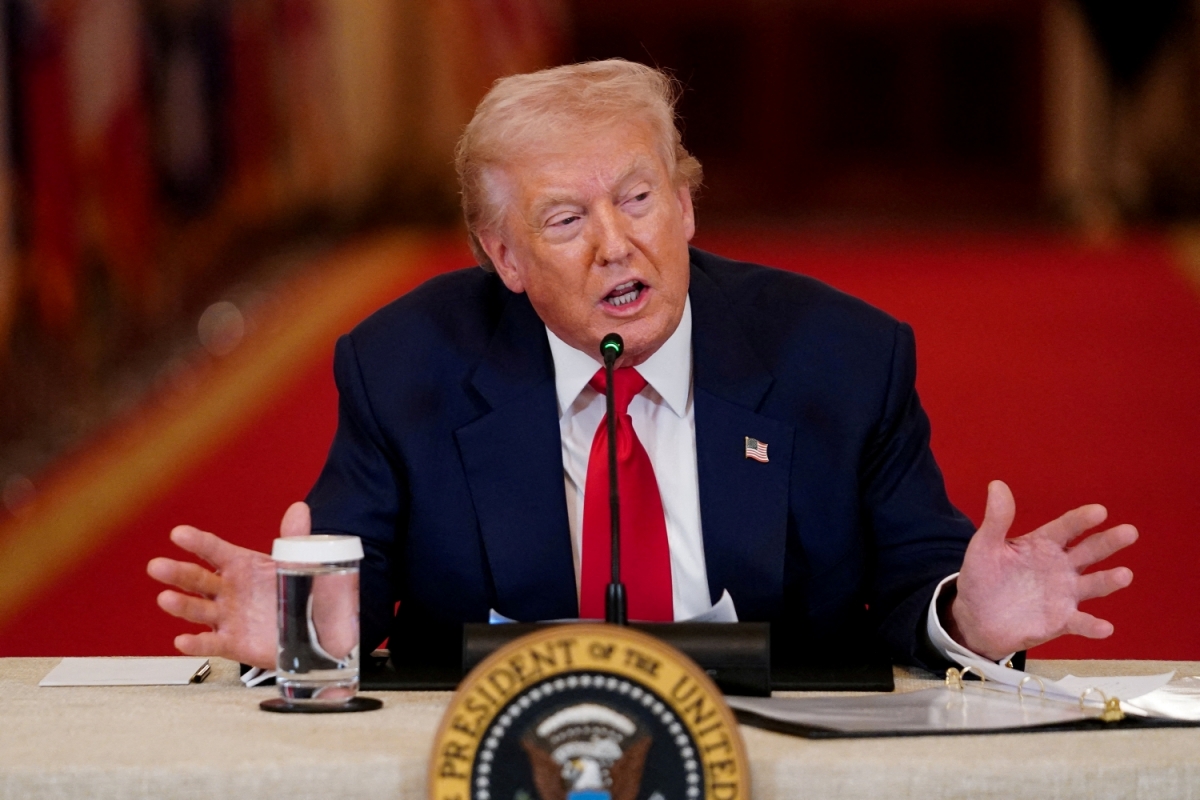
Trump, accompanied by First Lady Melania Trump, Vice President JD Vance and other administration officials, saluted as carry teams moved past. He had met privately with grieving Gold Star families earlier in the day, a ritual he once described during his first term as among the most difficult duties of the presidency. Yet the event quickly drew sharp scrutiny not for the president’s presence, but for what he wore: a white baseball cap embroidered with “USA” in gold lettering — the same $55 item sold on his official merchandise website, bearing additional details like “45-47” on the side and an American flag patch.
Photographs and video from the ceremony showed Trump keeping the cap on throughout the proceedings. He did not remove it as the coffins passed, nor as families wept nearby. The moment stood in stark contrast to longstanding customs at such events. Military protocol and etiquette guidelines, including those from veterans’ organizations like the VFW, advise civilians to remove headwear during military funerals or solemn ceremonies, often placing it over the heart as a gesture of respect. No publicly available images from prior dignified transfers show a sitting president wearing a baseball cap during the ritual.
The choice prompted immediate criticism from across the political spectrum. California Gov. Gavin Newsom described Trump as a “disgusting little man” in response to the images. Michael Steele, the former Republican National Committee chairman, posted on social media demanding the president remove the hat, emphasizing, “It is called the Dignified Transfer for a reason. Take your [expletive] hat off.” Other commentators, including retired military officers, noted the apparent breach of decorum, with one retired Air Force colonel publicly highlighting the expectation for civilians to uncover their heads.
A retired Air Force colonel pointed out the protocol violation in public statements, underscoring that Trump appeared indifferent to the calls for adjustment. The president did not address the criticism directly during or immediately after the event.
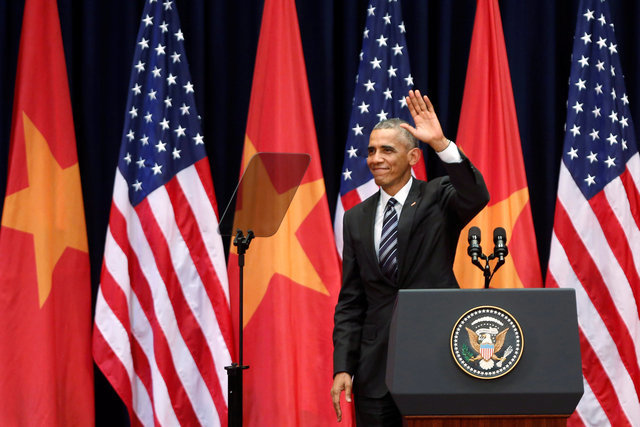
The episode revived broader discussions about perceived double standards in political and media reactions to presidential conduct. Critics pointed to the intense scrutiny former President Barack Obama faced in 2014 over wearing a tan suit to a White House briefing — an incident that generated days of cable news commentary and Republican denunciations labeling it inappropriate for the Oval Office. In contrast, Trump’s appearance at Dover, turning what many view as a moment of national mourning into what some described as an inadvertent branding opportunity, elicited far less sustained outrage from certain conservative quarters.
The fallen service members themselves remained at the center of remembrance. O’Brien, a seasoned major from Iowa; Khork, a captain; Marzan, a chief warrant officer from California; Amor and Tietjens, both sergeants first class; and the youngest, Coady, posthumously promoted from specialist, represented a cross-section of American military service. Their unit had been supporting operations in the region when the Iranian drone struck.
As the nation processes the human cost of the conflict, the dignified transfer served as a reminder of the gravity such ceremonies carry. For many observers, the president’s attire became an unwelcome distraction from the sacrifice being honored, amplifying existing divides over leadership, protocol and public symbolism in times of war.






