The political atmosphere in Washington is rarely calm, but few controversies escalate as quickly as one involving citizenship, immigration law, and a sitting member of Congress.
In recent days, Representative Ilhan Omar has found herself at the center of exactly that kind of storm.
What began as a political argument has gradually evolved into a broader debate about immigration law, denaturalization, and the legal standards surrounding American citizenship.
For years, Omar has been one of the most visible and outspoken members of Congress.
A refugee from Somalia who later became a naturalized American citizen, her journey from displacement to political power has often been cited as an example of the opportunities available in the United States.
Yet the same story that once symbolized the American dream is now being revisited by critics who argue that her path to citizenship deserves renewed scrutiny.

The discussion intensified after several political commentators and lawmakers began publicly raising questions about whether Omar’s immigration paperwork and past relationships had been fully transparent during her naturalization process.
The issue is not entirely new.
Allegations and speculation about aspects of Omar’s immigration history have circulated online for years.
However, those claims remained largely confined to partisan media and internet forums.
What has changed recently is that the conversation has entered mainstream political discussion.
When members of Congress begin openly suggesting that a colleague’s citizenship history should be examined, the tone of the debate shifts dramatically.
Political disagreements are common in Washington, but legal questions involving citizenship status carry a very different weight.
Once the possibility of denaturalization is mentioned, the conversation moves beyond policy disagreements and into the realm of federal law.

Under U.S. law, denaturalization is the legal process by which citizenship can be revoked if it was obtained through fraud or deliberate misrepresentation.
The authority comes from federal statutes, including provisions within Title 8 of the United States Code.
While the law exists, the government rarely uses it.
Historically, most denaturalization cases have involved individuals who concealed serious crimes or wartime activities when applying for entry or citizenship in the United States.
The legal principle behind these cases is straightforward.
If a person gains citizenship through deception—such as lying about identity, criminal history, or other key information—the government may seek to revoke that citizenship through the courts.
However, the burden of proof is extremely high.

Prosecutors must demonstrate clear evidence that material facts were intentionally concealed or misrepresented during the naturalization process.
In Omar’s case, critics often point to questions surrounding her marriage history.
One particular marriage from 2009 has repeatedly been discussed in political commentary and online investigations.
Some opponents claim that the marriage may have been connected to immigration benefits, while others have even circulated unverified theories about the identity of the individual involved.
Omar has consistently denied any wrongdoing related to these claims.
Legal experts note that allegations alone are not sufficient to initiate denaturalization proceedings.
Federal authorities would require concrete evidence demonstrating that false information was knowingly provided during the citizenship process.
Without such evidence, the legal threshold for denaturalization cannot be met.
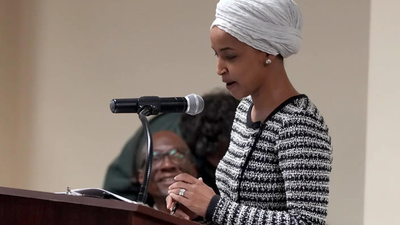
Nevertheless, the political conversation has continued to intensify.
Several public figures have called for investigations or reviews of Omar’s immigration background.
These calls have fueled a growing debate about whether immigration laws should be applied with equal scrutiny to public officials, especially those who play a prominent role in shaping immigration policy.
The controversy has also been amplified by social media exchanges between politicians.
Online platforms have become a major arena for political conflict, where brief comments can rapidly escalate into national headlines.
In Omar’s case, heated exchanges with political opponents have drawn widespread attention and further fueled partisan reactions.
Some critics argue that Omar’s frequent criticisms of U.S. foreign policy and military actions contribute to the perception that she holds views hostile to American interests.
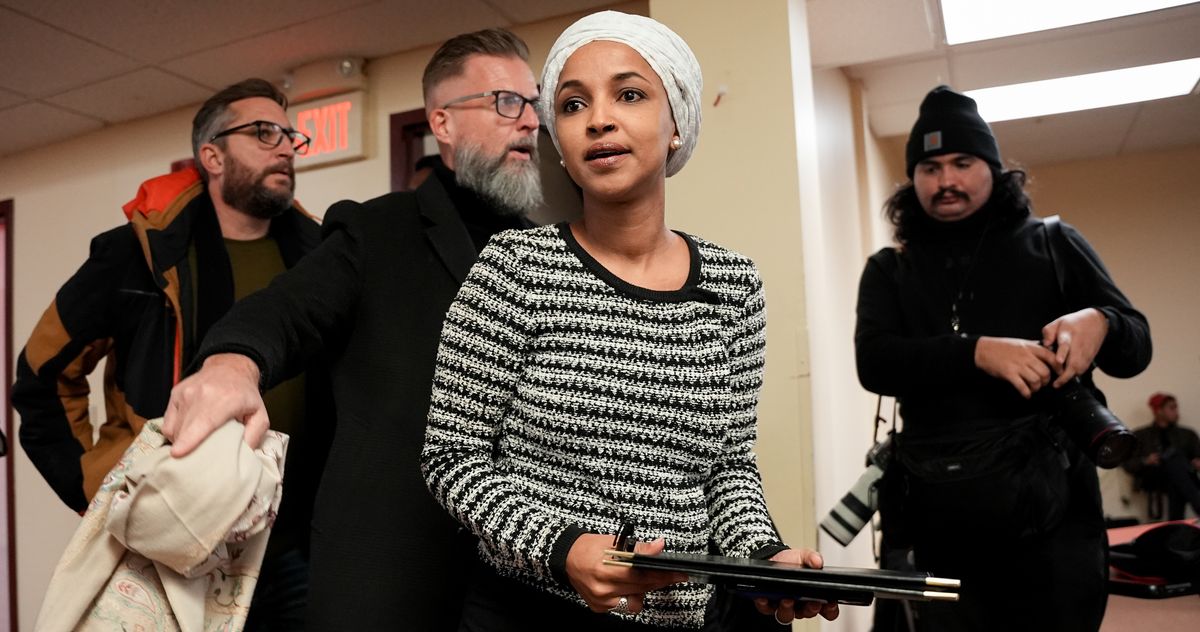
Supporters strongly reject that claim, pointing out that challenging government policies is a longstanding tradition in American democracy.
They argue that disagreement with foreign policy decisions should not be equated with disloyalty to the country.
This difference in perspective highlights a deeper divide within American politics.
For one side, Omar’s rhetoric represents a willingness to confront controversial issues and challenge established power structures.
For the other side, her statements are seen as evidence of hostility toward the institutions she serves.
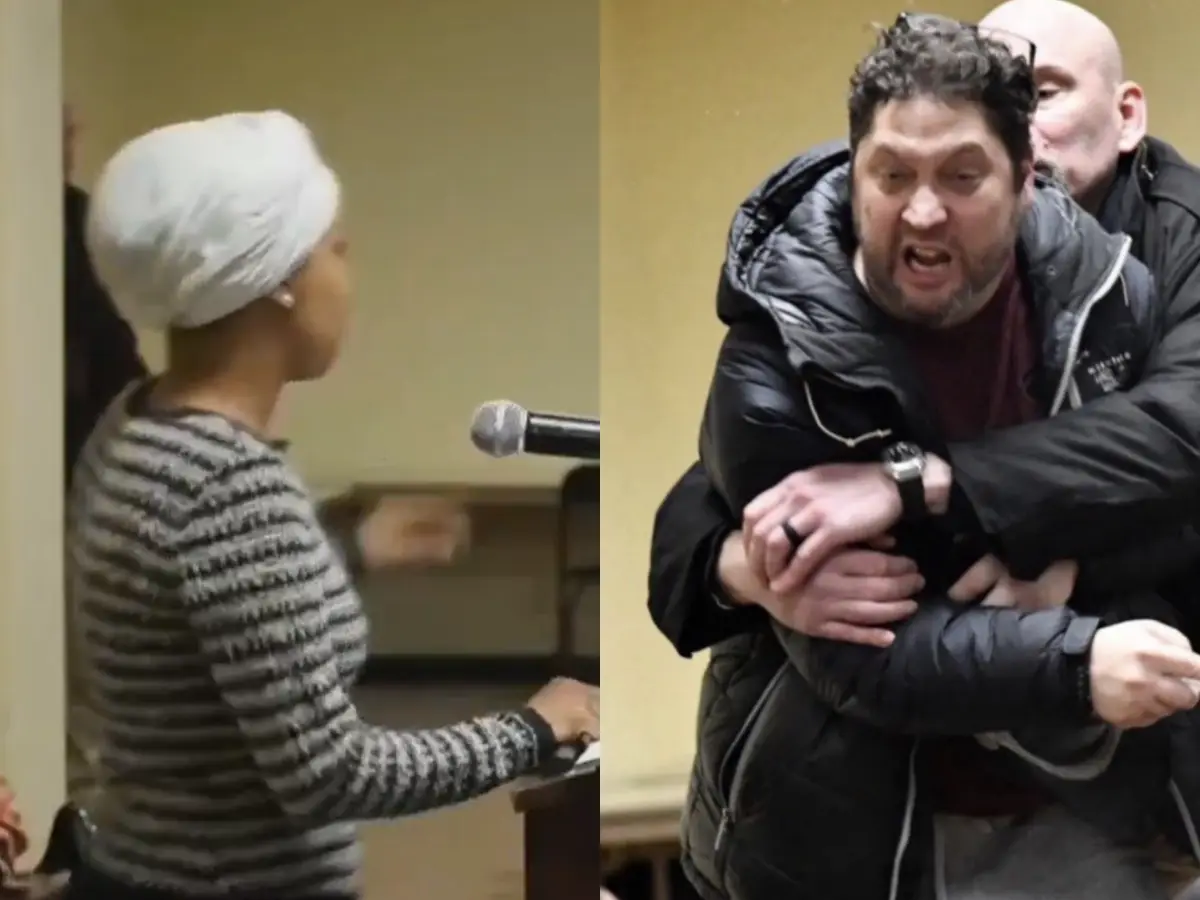
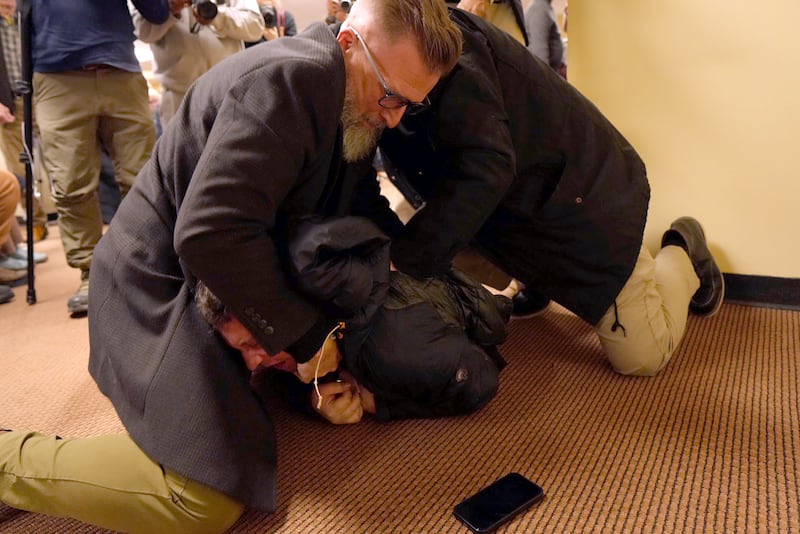
The debate intensified further after incidents during high-profile political events drew renewed attention to Omar’s name.
When political protests or disruptions occur in connection with prominent lawmakers, they often become symbolic moments that critics use to reinforce broader narratives about those politicians.
As videos and commentary spread across social media, the controversy surrounding Omar continued to grow.
&imwidth=800&imheight=600&format=webp&quality=medium)
Another factor fueling the debate is the broader national conversation about immigration policy.
Immigration has long been one of the most polarizing topics in American politics.
Discussions about asylum, border enforcement, refugee policy, and citizenship laws frequently divide voters and lawmakers alike.
Because Omar herself has been a vocal advocate for immigration reform and refugee protections, the scrutiny of her own immigration history carries added political significance.
Political strategists note that controversies involving immigration and citizenship often resonate strongly with voters.
Stories involving alleged fraud or questions about legal status can quickly become powerful political narratives, regardless of whether legal proceedings ultimately occur.
At the same time, Omar’s supporters argue that the attacks against her are politically motivated.
They contend that critics are attempting to delegitimize a political opponent by questioning her identity and background.
From this perspective, the controversy is less about law and more about political messaging in an increasingly polarized environment.
The clash between these two interpretations has created a cycle of escalating attention.
Each statement from a political figure triggers responses from allies and opponents.
News outlets cover the reactions, which then circulate across social media and generate further commentary.
In today’s media environment, such cycles can keep a controversy alive for weeks or even months.
For Omar, the situation represents a significant political challenge.
Even if no legal action ever materializes, the ongoing debate ensures that questions about her citizenship history remain part of the public conversation.
In politics, perception often matters as much as reality, and prolonged controversies can shape how voters view public figures.
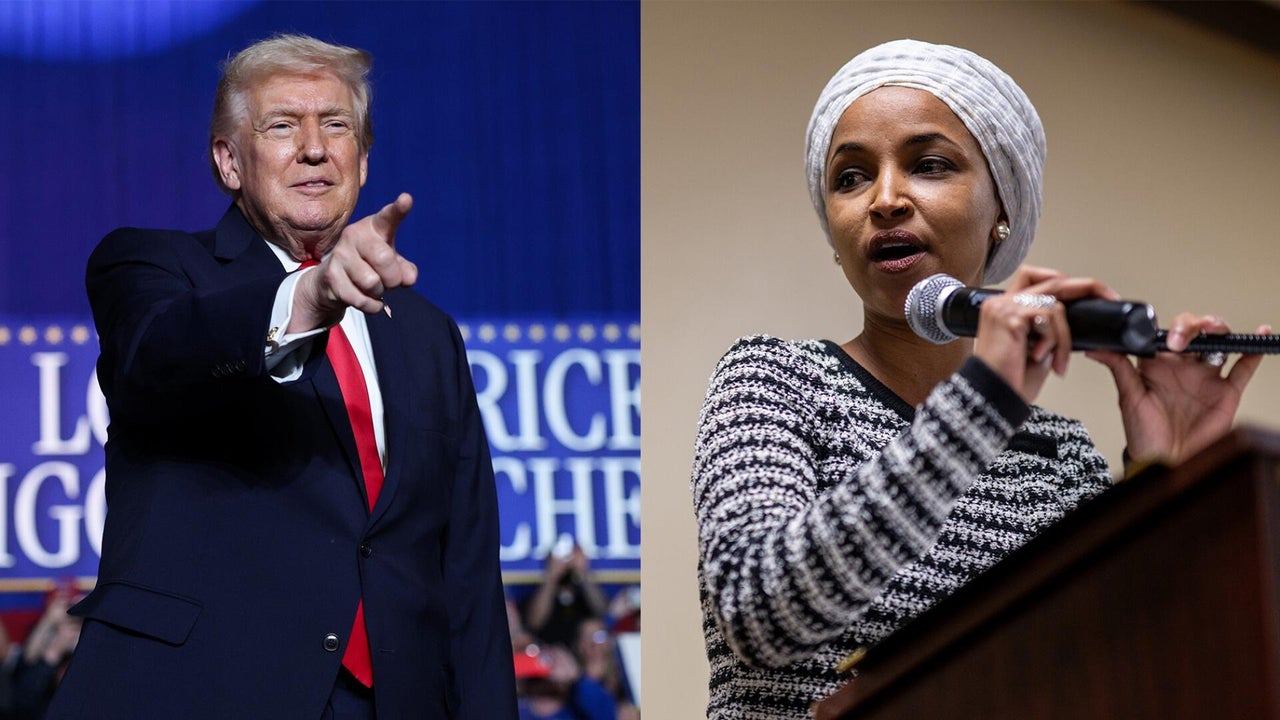
Ultimately, whether the allegations surrounding Omar’s immigration history lead to any official investigation remains uncertain.
Legal authorities, not political commentators, would determine whether any evidence exists that could support a denaturalization case.
Until such action occurs, the issue remains part of the broader political struggle defining the current era of American politics.
What is clear, however, is that the controversy has shifted the focus of the debate.
Instead of arguing solely about policy or ideology, critics and supporters alike are now engaged in a discussion about law, citizenship, and the meaning of belonging in American political life.
And in a country where immigration stories often symbolize both hope and conflict, that debate is unlikely to disappear anytime soon.






