“37 Minutes That Shook Washington”: Mark Carney’s CNN Interview Challenges Trump Narrative in U.S.–Canada Trade Crisis
In a dramatic moment that captured the attention of political observers across North America, Mark Carney delivered a high-stakes interview on Anderson Cooper 360°, directly challenging the narrative coming from The White House regarding the escalating U.S.–Canada economic dispute. During the prime-time appearance, Carney spent nearly forty minutes laying out Canada’s version of events, presenting documents, legal rulings, and claims that contradicted accusations from U.S. President Donald Trump and his administration.
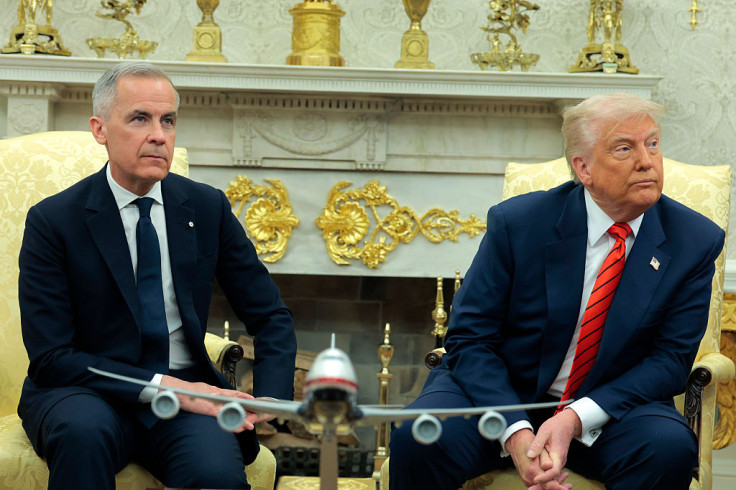
The interview began with a key question from host Anderson Cooper about why Canada had taken strong economic countermeasures, including tariffs and efforts to diversify energy exports. For weeks, officials in Washington had portrayed Canada as the aggressor in the dispute. Carney immediately pushed back, stating that the crisis began when the United States imposed tariffs on Canadian goods despite an existing agreement governing trade across North America.
To support his argument, Carney displayed the text of the United States–Mexico–Canada Agreement, pointing to a section that restricts tariffs among the United States, Canada, and Mexico unless specific emergency conditions are met. According to Carney, those conditions were not satisfied when the tariffs were imposed. He then referenced a dispute panel ruling that allegedly determined the U.S. measures violated the agreement—information that many American viewers were hearing for the first time.
The conversation quickly moved to energy policy, one of the most sensitive issues in the dispute. Washington had accused Canada of manipulating oil and electricity exports to pressure American consumers. Carney rejected the claim, arguing that Canada was simply exercising its right to sell its natural resources on the global market. He emphasized that Canadian energy producers have long supplied the United States but are not obligated to guarantee supply or pricing terms if market conditions change.
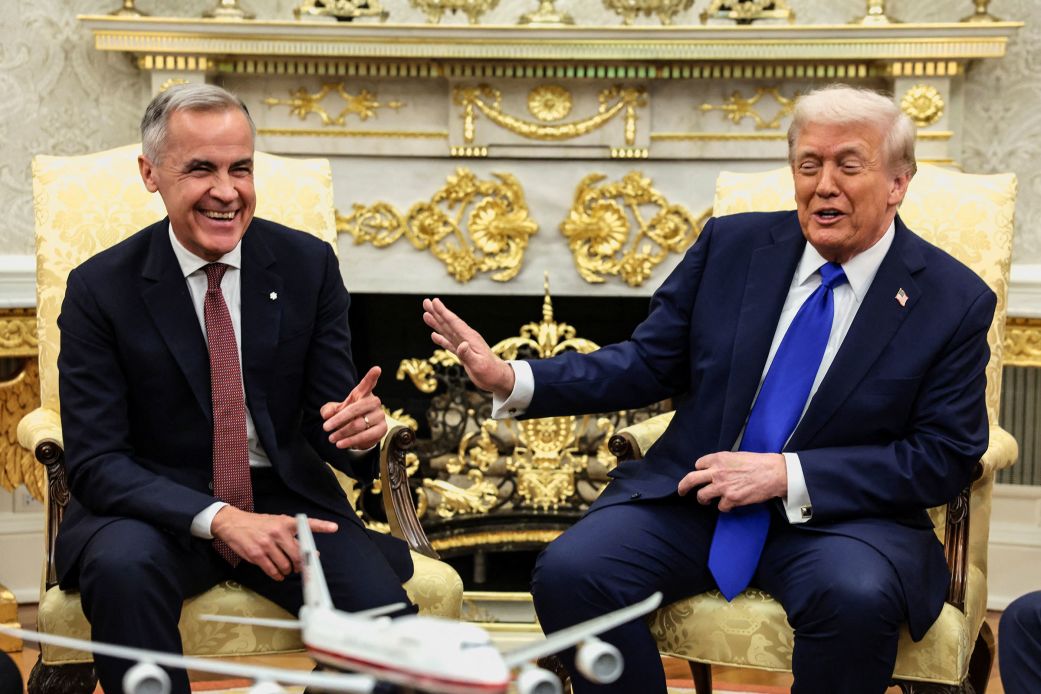
Carney further argued that Canada’s response—including expanding energy sales to Europe and Asia—was a defensive strategy rather than an escalation. According to him, Ottawa attempted to resolve the conflict through diplomatic negotiations for weeks before taking economic countermeasures. When those talks stalled, Canada began strengthening international partnerships to reduce dependence on a single trading partner.
The most dramatic moment of the interview came when Carney introduced what he described as a recording from a diplomatic call involving President Trump. In the audio clip, Trump could allegedly be heard warning that severe economic measures would be used if Canada refused to alter its trade and energy policies. The clip, which quickly spread across social media after the broadcast, intensified political debate in Washington and triggered immediate questions from journalists seeking confirmation from the White House.
Carney closed the interview with a bold challenge: he invited Trump to participate in a live public debate about the dispute on any network with any moderator. The proposal placed the spotlight back on Washington, raising a question that now dominates political discussion on both sides of the border—whether the U.S. administration will respond directly or allow the controversy surrounding the interview to shape the narrative of the conflict moving forward.






