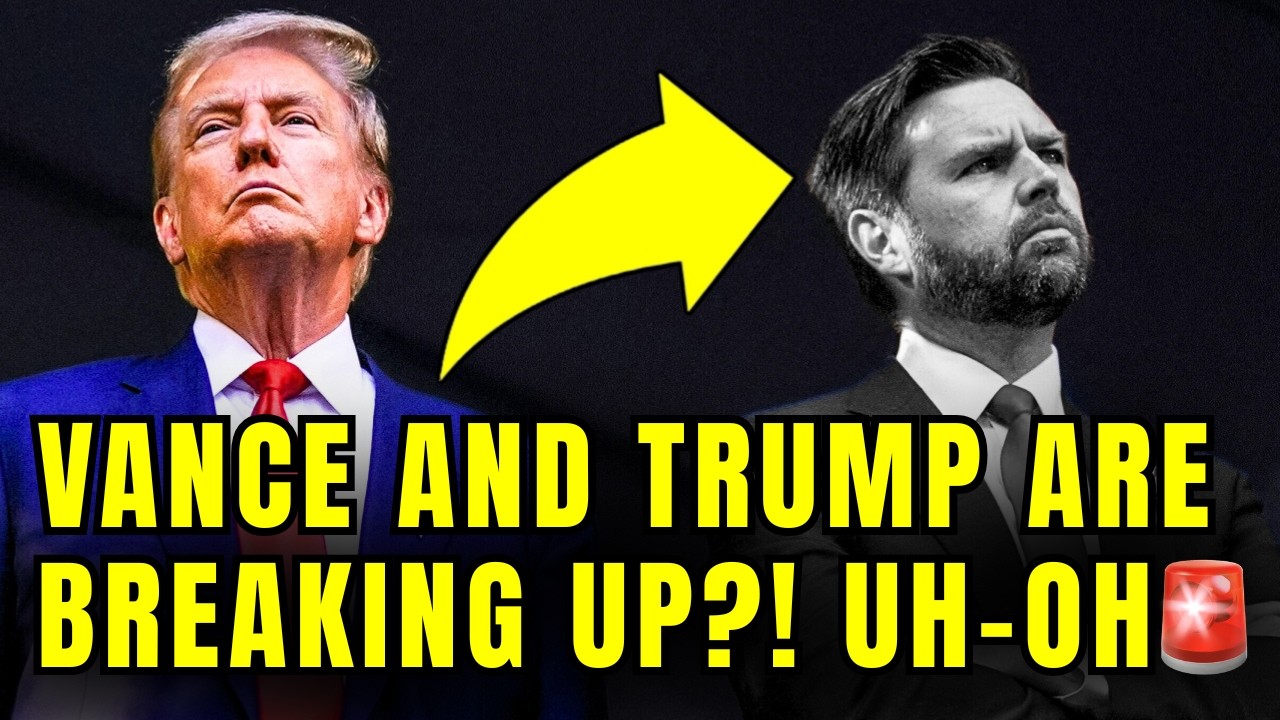
New Leak Signals Growing Rift in MAGA as JD Vance’s Political Future Comes Under Scrutiny
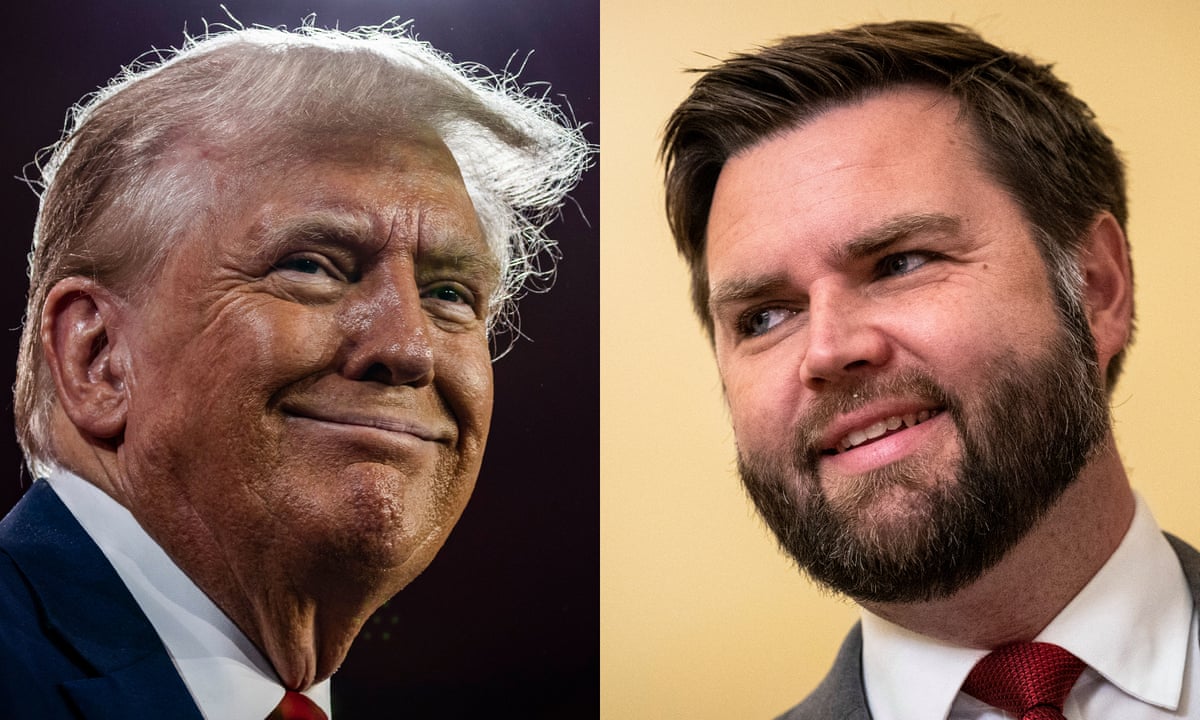
A newly surfaced report is drawing significant attention in Washington, revealing growing tensions within Donald Trump’s political orbit and raising fresh questions about the future of Vice President JD Vance. According to insiders and a recent media report, influential Republican donors appear to be shifting their support toward Secretary of State Marco Rubio, a development that could reshape the race to become Trump’s political successor.
The speculation comes at a tense moment for the administration as the United States faces escalating conflict with Iran. Since the confrontation began more than a week ago, Vance has kept a notably low public profile. Unlike several other senior officials, he has not been prominently featured alongside Trump during briefings or major public statements about the unfolding crisis.
His relative absence has fueled discussion among political observers about whether the move is strategic. The war has proven unpopular with many Americans, and distancing himself from the controversy could be a calculated effort to avoid being directly tied to a conflict that may carry long-term political consequences.
While Vance has largely remained out of the spotlight, Rubio has taken on a far more visible role. As Secretary of State, he has been one of the administration’s most prominent voices discussing the crisis, appearing frequently in interviews and official briefings to explain the government’s response.
However, some of Rubio’s comments have also stirred debate. In one interview, he suggested that U.S. officials anticipated Israeli military action against Iran and believed that such a move could provoke retaliation against American forces. The remarks quickly drew criticism and raised questions about the sequence of events that led to the escalation. Rubio later attempted to clarify his comments as scrutiny intensified.
The situation gained further attention when former Secretary of State Antony Blinken, who served under President Joe Biden, weighed in on the broader history of U.S.–Iran tensions. Blinken noted that during the Obama administration, Israel had urged Washington to take military action against Iran, warning it might act independently if the United States did not. According to Blinken, President Barack Obama ultimately chose a different path, focusing on diplomatic pressure and international sanctions that eventually led to the Iran nuclear agreement.
Although these remarks were primarily about historical policy decisions, they added another layer to the ongoing debate about the current crisis and the political figures navigating it.
At the center of the latest controversy is a report from NBC News describing a revealing moment among Trump’s key political donors. According to people familiar with the gathering, Trump met with several influential supporters on February 28—the same night the first attacks against Iran were launched. During the meeting, the conversation reportedly turned to the future of the Republican Party and the potential 2028 presidential race.
When donors were asked which figure they preferred as the party’s next standard-bearer, the response was striking. Several attendees said support for Rubio far outweighed support for Vance. One participant described the reaction as “almost unanimous,” suggesting that many in the room saw Rubio as the stronger candidate.
That sentiment appears to contrast with polling among Republican voters, where Vance still maintains a notable base of support as a potential successor to Trump. The difference highlights a growing divide between party insiders and segments of the broader Republican electorate.
Trump himself has long positioned himself as the ultimate kingmaker in determining who will lead the movement after his political career ends. In recent weeks, he has publicly praised Rubio’s performance as the crisis with Iran unfolds. Meanwhile, Vance’s limited public appearances have further fueled speculation about his standing within the administration.
Some analysts believe Rubio’s increased visibility during the conflict may strengthen his reputation as a leader capable of handling international crises. Others warn that the political risks are significant for anyone closely associated with the war. If the conflict expands or leads to economic consequences such as rising energy prices, public frustration could quickly translate into political damage.
For both Rubio and Vance, the stakes may be especially high. Their political futures could become closely tied to the outcome of the current crisis. A successful resolution might boost their credentials, but a prolonged or unpopular war could weigh heavily on their ambitions.
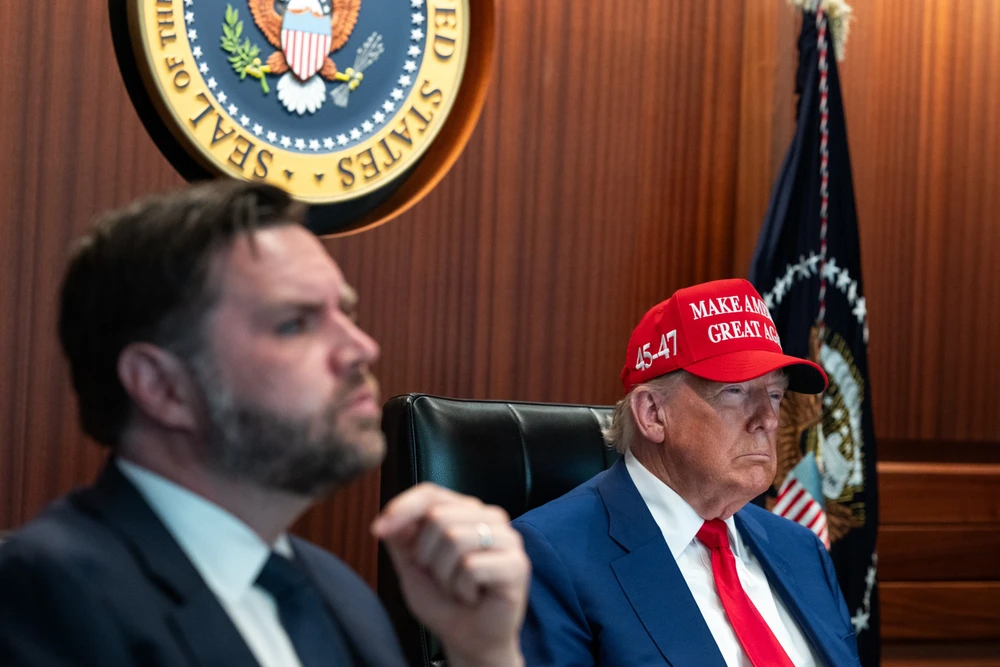
As Washington continues to grapple with the escalating tensions abroad, the internal dynamics of the Republican Party are also evolving. Whether the emerging rivalry between Rubio and Vance ultimately reshapes the race for the party’s future leadership remains uncertain. What is clear, however, is that the struggle to become the next dominant figure in Trump’s political movement may already be underway.






