Jimmy Kimmel Roasts Karoline Leavitt on Air, Prompting Furious Trump Response on Truth Social
NEW YORK — Jimmy Kimmel delivered a biting monologue on his late-night show that targeted Karoline Leavitt, the White House press secretary, and other figures in the Trump administration, sparking an immediate and vehement reaction from President Donald J. Trump on Truth Social. The exchange has reignited a long-running tension between political power and satirical comedy in an era when monologues can go viral within minutes and regulatory rhetoric can be interpreted as veiled threats.
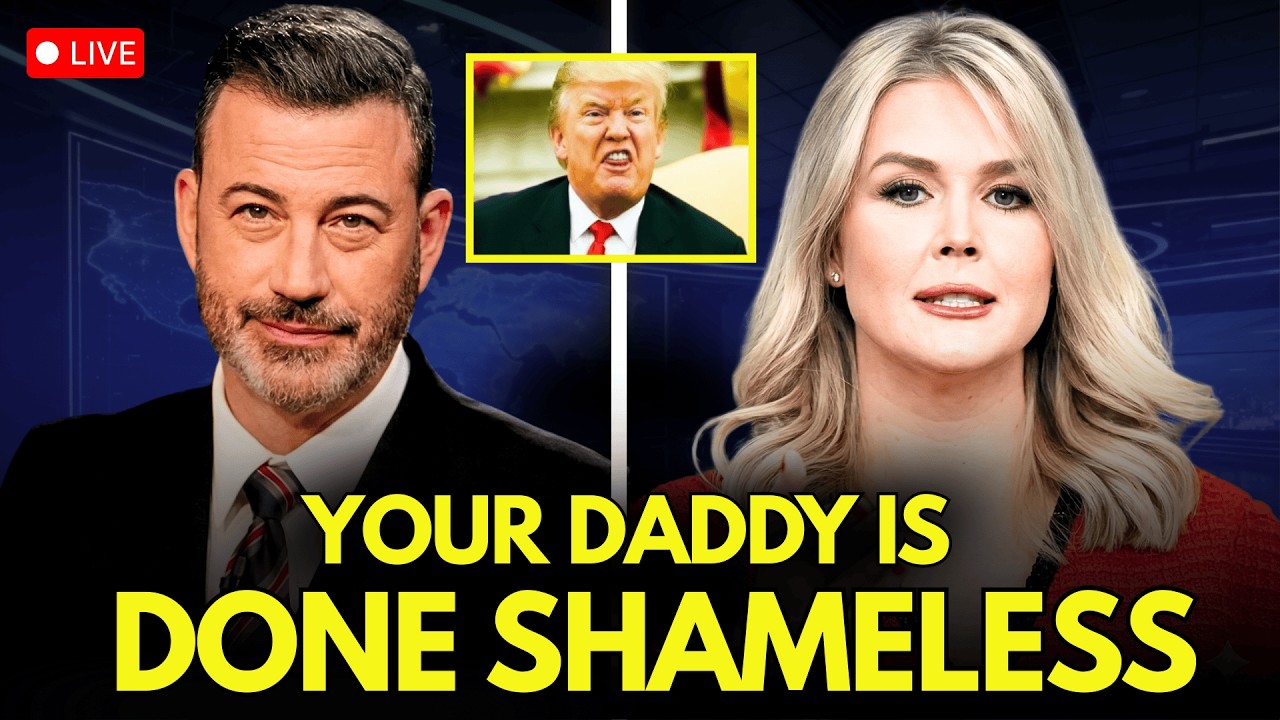
Kimmel, host of Jimmy Kimmel Live!, has built a reputation for blending sharp humor with direct commentary on powerful figures, including Trump and his allies. Supporters view his segments as a form of accountability through comedy; critics see them as partisan attacks. In the episode, Kimmel mocked Leavitt’s communications style and replayed clips of administration statements, framing them as evasive or overly scripted. He also took aim at Vice President J. D. Vance, referencing Vance’s own introduction during a debate as an attempt to appeal to “single cat ladies,” a line that drew laughter from the studio audience and rapid circulation online.
The segment came amid swirling rumors — amplified on social media — that Kimmel’s show faced preemption or cancellation pressure linked to comments from FCC Chairman Brendan Carr about broadcast standards and network responsibilities. Carr had described declining late-night ratings and political content as factors in programming decisions, remarks some interpreted as routine regulatory discussion while others viewed as signaling potential government scrutiny. Kimmel addressed the speculation head-on, declaring “We’re back on all the stations” and framing the moment as a defense of First Amendment principles. The episode drew a significant ratings surge and millions of views across digital platforms, illustrating how attempts to sideline a public figure can instead amplify their reach.
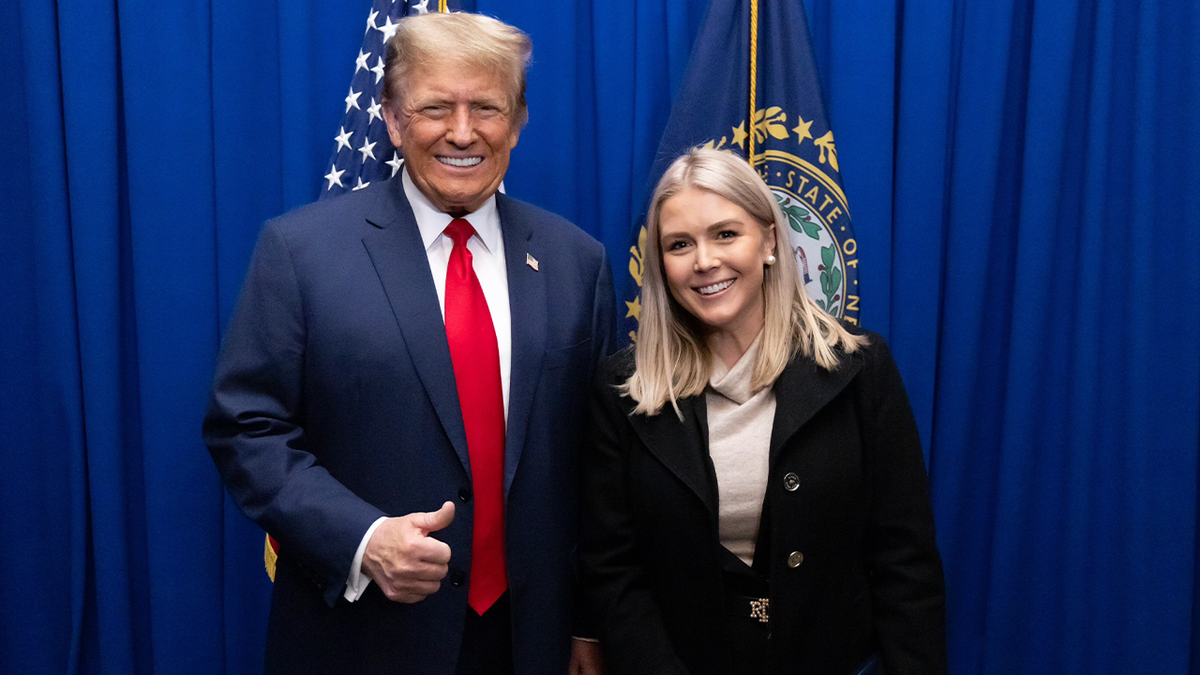
Trump responded swiftly on Truth Social, posting a series of messages that escalated the personal nature of the clash. He called Kimmel “not funny” and “low ratings,” accused him of becoming “politically unhinged,” and dismissed the satire as partisan bias. Trump also used the platform to attack political opponents, referring to Minnesota Governor Tim Walz as “tampon Tim” and Vice President Kamala Harris as “cognitively challenged Lion Camala,” while promising a “personal play-by-play” of upcoming debates. The posts underscored a familiar pattern: Trump’s use of social media to counter perceived slights in real time, transforming entertainment commentary into a broader political spectacle.
The controversy highlights evolving dynamics between the executive branch and media satire. American presidents have long endured sharp jokes — from Richard Nixon’s tense exchanges with Johnny Carson to George W. Bush’s appearances on late-night shows — understanding that mockery is part of the office. Yet the digital age has intensified the stakes. Clips spread instantly, fueling polarized narratives, while regulatory language from agencies like the FCC can be framed as pressure on networks even when no formal action is taken.
Corporate decisions on programming remain driven by ratings, advertising markets and brand strategy. Networks have long adjusted schedules based on performance metrics, but in today’s climate any shift can quickly be portrayed as political. Kimmel’s defiant return — leaning further into confrontation rather than softening his tone — reinforced his argument that comedians play a small but meaningful role in questioning those in power. The viral nature of the segment demonstrated a familiar media pattern: efforts to silence or marginalize a voice often increase its visibility.
Vice President J. D. Vance entered the fray, dismissing claims of censorship as “exaggerated media drama” and insisting that any preemption stemmed from low ratings rather than government interference. The back-and-forth became its own spectacle, illustrating how entertainment and governance now collide in real time across television, podcasts and social feeds.

Broader civic questions linger. How should regulatory agencies communicate about broadcast standards without appearing to target viewpoints? The FCC oversees licensing and compliance but does not dictate political content — a distinction critical to preserving constitutional boundaries. When rhetoric blurs those lines, suspicion flourishes, even unintentionally.
The episode also intersected with ongoing debates about transparency, political promises and unresolved controversies. In highly polarized times, any unresolved issue can become a flashpoint. Commentators on both sides used the moment to reinforce pre-existing narratives about government overreach or media bias.
Polling from organizations like Gallup continues to show deep divisions in the electorate. Approval ratings fluctuate, but distrust in institutions — media, government, corporations — has become a defining feature of the era. Kimmel’s roast of Leavitt and Trump’s Truth Social eruption are the latest flashpoints in that landscape, where satire meets power and every line can ignite a new round of digital combat.