Lawmakers Question Homeland Security Advertising Campaign During Congressional Hearing
WASHINGTON — A congressional hearing examining federal spending turned tense as lawmakers questioned a $220 million advertising campaign carried out by the Department of Homeland Security during the tenure of Kristi Noem. Senators raised concerns about how taxpayer funds were used and whether the contracting process followed federal standards.

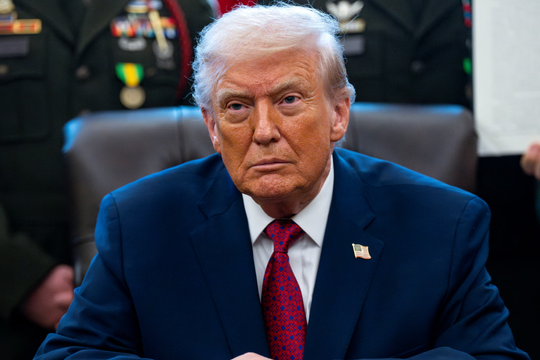
During the hearing, Senator John Kennedy pressed Noem about the scale of the advertising effort, which included television spots broadcast across the United States and internationally. Kennedy asked whether the campaign had been approved by Donald Trump before the funds were spent. Noem said discussions about the messaging campaign had taken place with the president and that the department had followed appropriate legal procedures.
The advertisements were designed to communicate immigration enforcement policies and warn individuals in other countries about the consequences of entering the United States unlawfully, according to Noem’s testimony. She said the effort was intended to discourage illegal crossings and inform the public about federal immigration enforcement priorities.
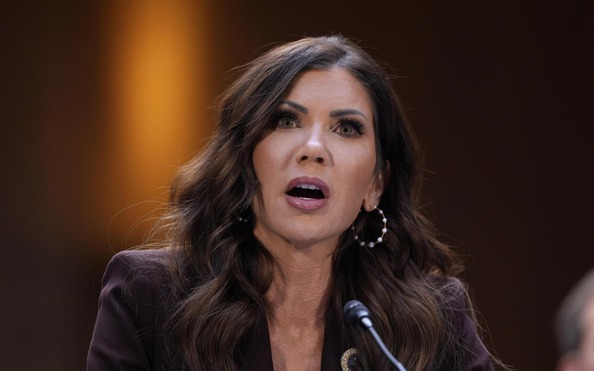
Kennedy, however, questioned whether spending $220 million on advertising aligned with the department’s broader efforts to limit government waste. During the exchange, he noted that the advertisements prominently featured the secretary and suggested that the campaign had raised questions about whether taxpayer-funded communications were being used appropriately.
The senator also raised concerns about the companies involved in producing the advertisements. According to information discussed in the hearing, one of the firms connected to the project had reportedly been formed shortly before receiving work tied to the campaign. Kennedy said that detail warranted closer scrutiny as Congress evaluates how large federal contracts are awarded.
Noem responded that the Department of Homeland Security followed a competitive bidding process and that career procurement officials — not political appointees — were responsible for selecting the contractors. She said the department does not typically oversee subcontractor relationships once the primary contracts are awarded.
The exchange reflected broader debates in Congress over government spending and oversight of federal agencies. Lawmakers from both parties have increasingly scrutinized how departments use communications budgets, particularly when campaigns involve large expenditures or high-profile messaging.
By the end of the hearing, senators indicated that additional review of the advertising campaign and its contracting process could occur as part of ongoing congressional oversight. The discussion underscored the role of hearings in examining how federal agencies spend public funds and whether those decisions align with government transparency and accountability standards.






