Trump Insider Accused of Profiting From War Bet as U.S. Strikes Iran Trigger Ethics Firestorm
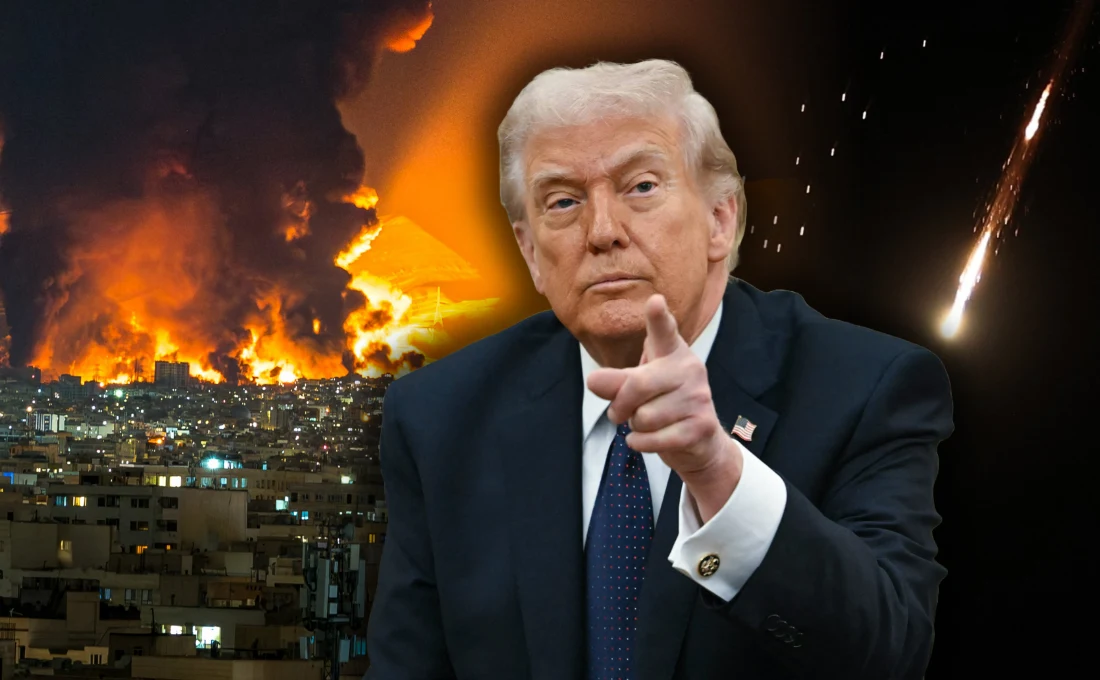
Washington, D.C. — In the chaotic hours before American bombs reportedly struck targets in Iran, an unusual surge of activity unfolded not inside the Pentagon, but on an online betting platform. A cluster of anonymous traders placed high-stakes wagers predicting that the United States would launch military strikes by a specific date — and some walked away with hundreds of thousands of dollars.
The betting activity, which occurred on the prediction market platform Polymarket, has ignited accusations of insider knowledge, political conflicts of interest, and potential national security breaches. Critics are now demanding federal investigations after one trader allegedly turned an $87,000 bet into more than $515,000 only 71 minutes before the first reported strike.
The incident has raised a disturbing question: Did someone with advance knowledge of a military operation profit from it?
A Suspicious Surge of Bets
According to publicly visible trading data on Polymarket, more than a dozen newly created accounts began placing large wagers predicting that the United States would attack Iran before the end of February.
Many of those bets were placed just hours — and in one case minutes — before the alleged military action began.
One account using the username “MAGA My Man” placed the most eye-catching wager: $87,000 predicting an imminent U.S. strike. When the event occurred, the account reportedly collected more than half a million dollars.
Because Polymarket operates with cryptocurrency and allows pseudonymous accounts, the identities behind these trades remain unknown. However, the timing of the wagers has fueled intense speculation that some traders may have had access to privileged information about an impending military decision.
Ethics experts say that if insiders used confidential national security information to make bets, it could constitute both financial fraud and a serious breach of national security protocols.
Political Ties Intensify the Controversy
The controversy has grown even more explosive because of Polymarket’s political connections.
Donald Trump Jr., the son of former President Donald Trump, serves as a strategic adviser and investor in the company, according to reports cited by commentators discussing the incident.
While there is no evidence linking Trump Jr. to the bets themselves, critics argue the association highlights broader concerns about political influence, financial speculation, and military decision-making.
“This is exactly the kind of feedback loop President Eisenhower warned about when he talked about the military-industrial complex,” said political commentator Ken Harbaugh during a discussion of the controversy.
Eisenhower’s famous warning in 1961 cautioned that industries profiting from war could distort democratic decision-making. Critics now argue that modern betting markets may represent a new frontier in that problem — turning war itself into a financial speculation event.
Claims of Leaked War Plans
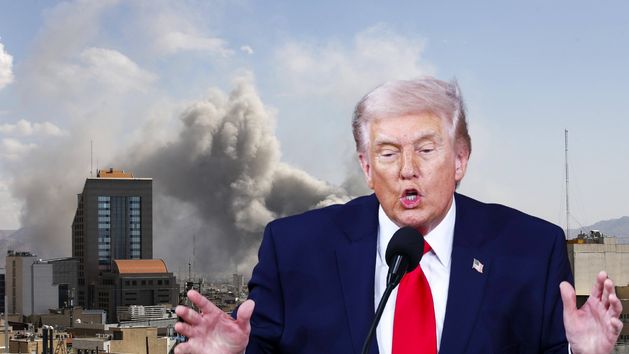
Adding to the controversy, a separate claim surfaced suggesting that the potential attack may have been discussed openly in Washington before it occurred.
According to a report recounted during a podcast discussion, a media personality allegedly overheard individuals connected to the Trump administration discussing the impending strikes while dining at a restaurant near the White House hours before the attack.
If accurate, such a conversation would represent a major security breach, since Congress and the public had not yet been informed of the operation.
Some analysts have called for the FBI to investigate whether government officials or associates leaked classified information that could have been used for financial gain.
“The FBI should absolutely investigate this,” said Chris Goldsmith, an Army combat veteran and activist who spoke about the issue in a public interview. “People who know a military strike is about to happen should not be able to profit from that knowledge.”
The Rise of “War Betting”
Prediction markets like Polymarket allow users to place bets on future events ranging from elections to geopolitical developments. Supporters argue that these markets can help forecast global events by aggregating collective knowledge.
But critics warn that the system becomes dangerous when participants may also have the power to influence the outcomes they are betting on.
In the case of military actions, the stakes are far higher than financial speculation. A single wager could intersect with life-and-death decisions affecting thousands of soldiers and civilians.
“Imagine troops heading into combat knowing that people in political circles might be making money off the timing of the operation,” Goldsmith said. “That would be devastating for morale.”
Calls for Regulation
The controversy has renewed calls for tighter regulation of political betting platforms, particularly those operating through cryptocurrencies that make participants difficult to identify.
Currently, U.S. law regarding prediction markets remains complex and fragmented. Some platforms operate offshore or in legal gray zones, raising questions about how authorities could track or prosecute traders who used inside information.
Legal experts say the situation exposes a growing gap between financial technology and national security oversight.
Whether any laws were broken remains unclear. But the episode has ignited a broader debate about the intersection of politics, finance, and warfare in the digital age.
For many observers, the idea that someone could potentially profit from advance knowledge of military action represents a troubling evolution in modern conflict.
As one critic put it: “War should never become just another betting market.”






