Pressure is building on
Keir Starmer after
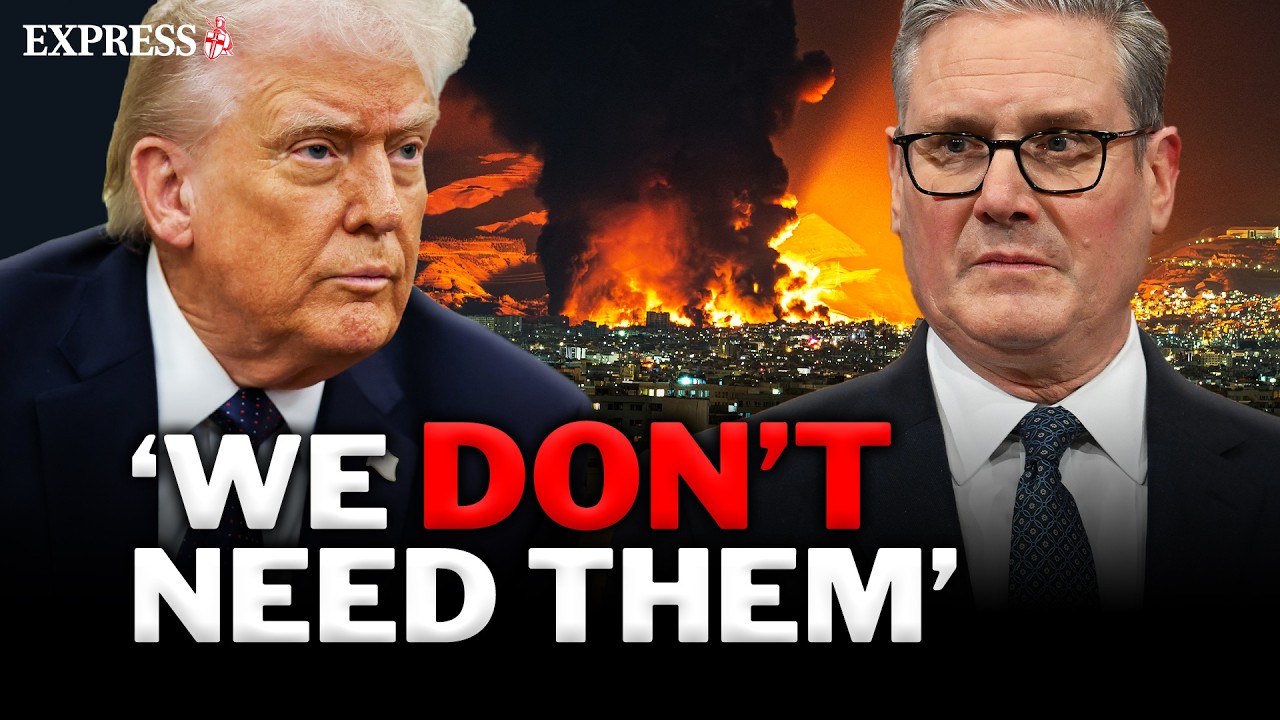
Donald Trump publicly dismissed Britain’s offer of military support during the Iran crisis, saying the response came too late to make a difference.
The remark has triggered intense debate in Westminster, with critics accusing the government of reacting only after Washington showed frustration, while ministers insist the United Kingdom had already been preparing military options behind the scenes.
Within hours of the comments, the Prime Minister convened an emergency meeting of the government’s crisis committee, commonly known as
COBRA, to review the situation in the Middle East and coordinate the UK’s next steps.
Emergency Meeting Signals Rising Concern
The COBRA session brought together senior ministers, military leaders, and intelligence officials to assess the rapidly changing situation in the region.
Shortly after the meeting, the government confirmed several moves aimed at strengthening Britain’s military readiness, including additional aircraft deployments, naval repositioning, and renewed coordination with U.S. forces.
Officials said the steps were precautionary and part of ongoing planning, but the timing — coming immediately after Trump’s public criticism — has led many observers to see the announcements as an effort to reassure allies.
In political terms, the sequence of events has made the situation look less like routine planning and more like a response to external pressure.
New Deployments to the Region
Among the measures confirmed were the deployment of additional RAF aircraft to bases in the Middle East, along with the movement of Royal Navy vessels closer to areas where tensions remain high.
The government also reiterated that U.S. forces can continue using British facilities, including
RAF Akrotiri, which has long served as a key hub for surveillance, logistics, and air operations in the region.
Allowing American use of UK bases is not unusual, but repeating the commitment publicly at this moment was widely interpreted as a signal that London wants to avoid any suggestion of division with Washington.
Military analysts note that such deployments often take time to plan, meaning at least some of the decisions may have been in progress before the latest political dispute.

Critics Say It Looks Like Damage Control
Opposition voices and several commentators argue that the sudden announcements create the impression that the government is trying to repair the relationship after the U.S. criticism became public.
They point to the speed of the response — emergency meeting, new deployments, and strong statements of support — as evidence that Downing Street felt pressure to demonstrate unity with its closest ally.
Supporters of the Prime Minister reject that interpretation, saying the situation in the Middle East has been unstable for weeks and that the UK has been preparing contingency plans throughout that time.
They also note that governments often choose the moment to make preparations public based on political and diplomatic considerations, not only military ones.
Alliance Politics Under the Spotlight
The disagreement has drawn attention because the United States and the United Kingdom are usually seen as having one of the closest defence partnerships in the world.
When differences appear in public, they tend to attract more political attention than similar disputes between other allies.
Analysts say the current episode shows how quickly foreign policy decisions can become domestic political issues, especially when they involve questions about timing, leadership, and trust between governments.
In Westminster, some MPs are now asking whether the government communicated its plans clearly enough, while others warn that public arguments with Washington could damage Britain’s influence abroad.

Evacuations and Military Readiness Continue
At the same time, the situation on the ground in the Middle East remains uncertain, with evacuation plans underway for civilians and additional troops being placed on standby.
Officials say the priority is protecting British nationals and supporting allies while avoiding steps that could make the conflict worse.
Because of that, the government is trying to show both readiness and restraint — a balance that can be difficult to maintain when political pressure is rising at home.
Leadership Test or Political Optics?
For now, there is no sign of a breakdown in the U.S.–UK alliance, and both governments continue to describe their cooperation as strong.
But the public exchange between Trump and Starmer has turned a military situation into a political story, raising questions about how decisions are made and how quickly governments respond to crises.
In Westminster, the debate is becoming less about the details of troop movements and more about the image of leadership.
Some see the latest moves as proof the government is acting decisively.
Others see them as a reaction to pressure that arrived in full view of the public.
And as tensions in the region continue, the question being asked in Parliament remains the same:
Is this a show of strength — or a scramble after the criticism landed?