Westminster has been shaken by fresh security concerns after reports that the partner of a sitting Labour MP was among individuals arrested as part of an investigation into suspected spying for China.
The case has triggered tense exchanges in the
Parliament of the United Kingdom and renewed warnings from intelligence officials about the growing risk of foreign interference in British politics.
Authorities have not released full details, but the investigation is understood to involve national-security agencies including
MI5, which has repeatedly warned in recent years that hostile states are increasingly targeting political institutions, research networks, and government contacts.
Ministers say the inquiry is ongoing and urged politicians not to jump to conclusions, yet the fact that the case involves someone close to an elected MP has intensified the political reaction.
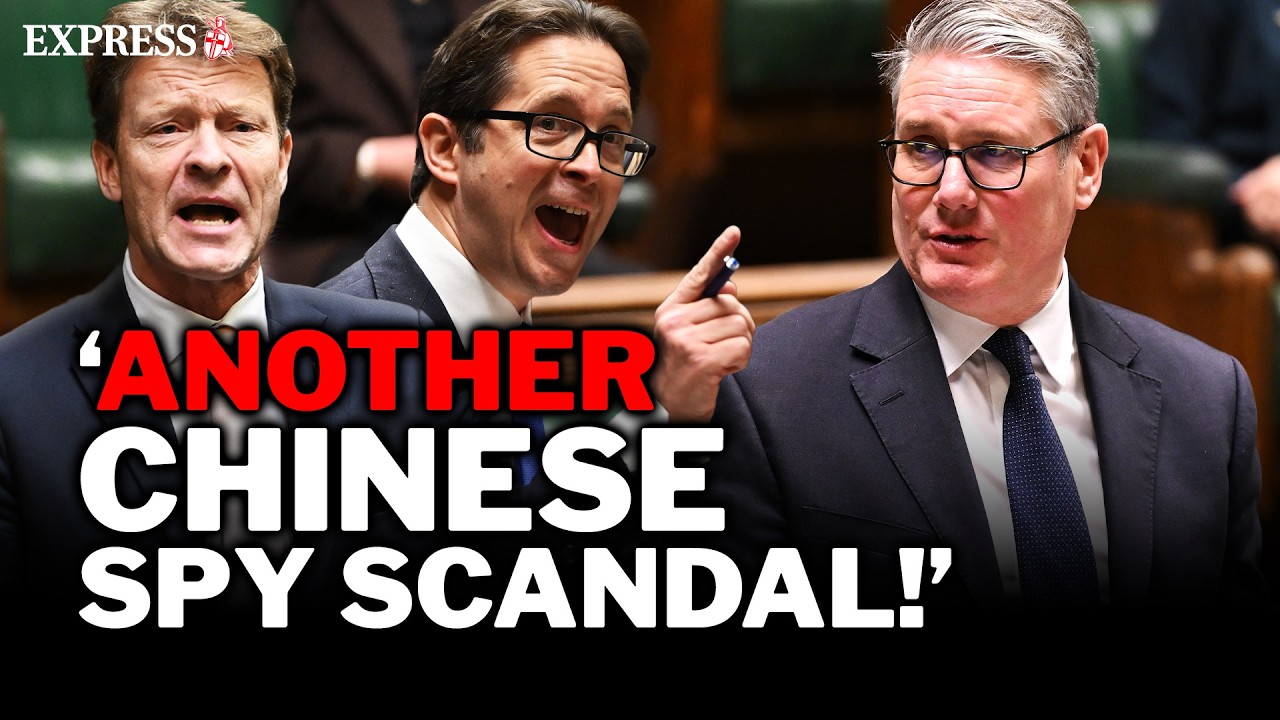
Arrest Report Sparks Immediate Political Clash
News of the arrest spread quickly through Westminster, prompting sharp questions during parliamentary exchanges.
Opposition MPs accused the government of failing to take a firm enough line against Beijing, arguing that previous warnings about espionage had not been followed by strong action.
Several speakers pointed to earlier security alerts, trade negotiations, and debates over the planned expansion of
Chinese Embassy London facilities, saying the latest incident shows the risks have not gone away.
Some MPs demanded a review of security procedures for people working with or close to politicians, warning that influence operations often target advisers, researchers, or family members rather than elected officials themselves.
Government ministers responded that national-security investigations must follow legal procedures and cannot be discussed in detail while they are still underway.
Intelligence Warnings About Foreign Interference
Security officials have for several years warned that foreign states are using more subtle methods to gather information or influence policy.
Instead of traditional espionage, investigators say modern cases often involve personal contacts, academic links, business ties, or attempts to build long-term relationships with people connected to decision-makers.
Because of that, even individuals who are not directly involved in politics can become part of an investigation if authorities believe sensitive information could be at risk.
Experts note that the United Kingdom is not alone in facing these concerns, with similar warnings issued in the United States, Canada, and several European countries.
Still, the fact that the current case touches Westminster has made it politically explosive.
China Policy Back Under the Spotlight
The incident has also reopened wider arguments about how Britain should deal with China.
Some MPs say the government has tried to balance economic cooperation with security concerns, while critics argue that the approach has been inconsistent.
Trade discussions, university partnerships, and infrastructure projects have all been debated in recent years, with supporters saying engagement is necessary and opponents warning it can create vulnerabilities.
The latest investigation has given new momentum to those calling for a tougher line, especially at a time when relations between Western countries and Beijing remain tense.
Ministers insist the UK already has strong laws to deal with espionage and foreign interference, but acknowledged that the case shows the threat has not disappeared.
Elections Add to the Pressure
With elections approaching, the timing of the controversy has made it even more sensitive.
Political parties are keen to avoid any suggestion that national security is being handled carelessly, and accusations of being “too soft” on foreign powers can quickly become campaign issues.
Analysts say security stories often carry extra impact during election periods because they raise questions not only about policy but also about judgment and trust.
At the same time, officials warn that ongoing investigations should not be turned into political weapons before the facts are fully known.
Questions Without Clear Answers
For now, many details remain unclear, including what information investigators believe may have been sought and whether any charges will be brought.
The government has stressed that an arrest does not mean guilt and that the legal process must run its course.
Even so, the case has already raised uncomfortable questions inside Westminster about how well protected political figures really are, and whether existing safeguards are strong enough.
As the debate continues, one issue is being asked repeatedly in Parliament and in the media:
If someone close to an MP can become part of a spy investigation,
how far could foreign interference reach — and who might know more than they have said?