Mounting Questions Over Trump’s Public Appearances Spark Political Debate

In recent days, renewed scrutiny has surrounded former U.S. President Donald Trump after several public speeches and press interactions circulated widely online. Critics and commentators have highlighted a series of unusual remarks and moments of verbal confusion, raising questions about the former president’s communication style, health, and leadership approach as he continues to play a central role in American politics.
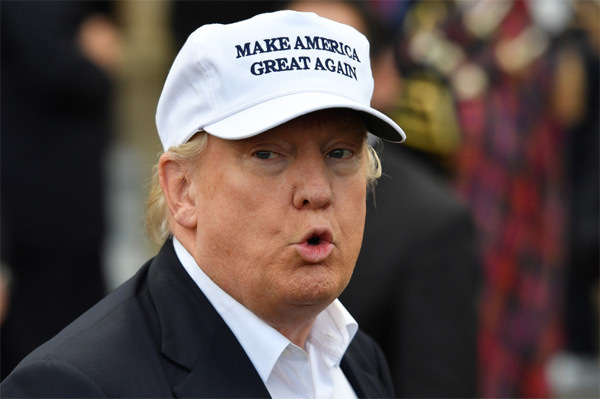
The discussion intensified after clips from recent appearances showed Trump shifting rapidly between topics, occasionally struggling to complete sentences or clarify his points. While supporters argue that the moments are being taken out of context, critics say the pattern has become increasingly noticeable.
One moment that attracted particular attention occurred during a speech referencing wartime casualties. Trump spoke about soldiers injured during battlefield incidents and appeared to describe those who had died alongside others who were still living with severe injuries. The phrasing prompted debate online, with critics arguing that the statement sounded confusing, while allies said it reflected Trump’s tendency to speak extemporaneously rather than reading directly from prepared remarks.
Another widely shared clip involved Trump addressing a young girl during a discussion about voter identification laws. While describing how family members could verify identities, he referenced daughters helping their parents and commented that the girl in the audience was “above six years old.” The wording sparked criticism and confusion on social media, though supporters insisted the remark was simply awkward phrasing rather than something more significant.
Observers also pointed to moments where Trump appeared to struggle with specific words while discussing policy topics. In one instance, he paused and repeated a term while trying to pronounce it clearly. Critics used the clip as an example of what they believe is increasing difficulty staying focused during lengthy speeches.
Despite these criticisms, Trump maintained a confident tone throughout his remarks. At one point, he emphasized that the actions he was taking were unique, telling the audience that “no other president could do some of the things I’m doing.” Statements like this are typical of Trump’s rhetorical style, which often combines strong personal branding with direct appeals to supporters.
Trump also described interactions he says he frequently has with voters across the country. According to the former president, many supporters approach him at events and urge him to “save America,” praising his leadership and encouraging him to continue pushing for political reforms. Critics say such stories sometimes sound exaggerated, but supporters argue they reflect the enthusiasm that has long surrounded Trump’s political movement.
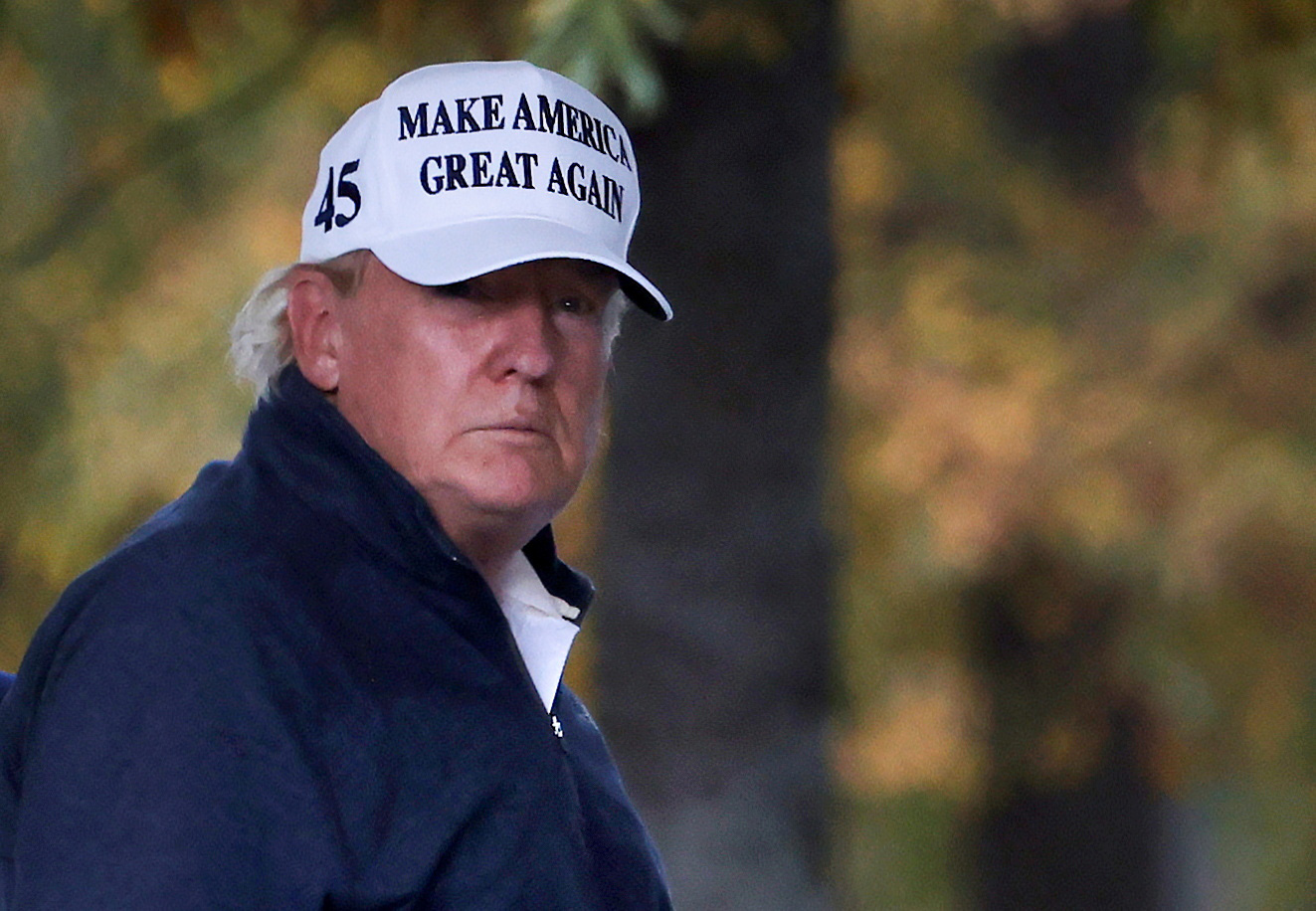
Foreign policy comments from the same series of speeches also generated discussion. While speaking about tensions involving Iran, Trump suggested that maintaining stability in certain global shipping routes could indirectly benefit other countries that rely on energy shipments passing through the region, including China. Analysts noted that the remarks illustrated Trump’s tendency to frame geopolitical issues through the lens of economic competition.
During another exchange with reporters, Trump discussed the Iranian public and their relationship with the country’s political system. His comments combined criticism of the government with praise for the Iranian people’s intelligence and cultural history, though critics said the mixed tone made his message somewhat unclear.
The debate surrounding Trump’s recent appearances has been amplified by commentary from political figures, analysts, and even members of his extended family. Some critics have raised concerns about whether the former president is showing signs of reduced focus or fatigue during long speaking engagements. Others have pushed back, arguing that speculation about a politician’s health is often politically motivated and rarely supported by verified medical information.
Retired military officials and commentators have also weighed in while discussing broader national security questions. Some have emphasized that major military decisions—such as potential troop deployments in large and complex countries—require extensive planning and coordination, regardless of who occupies the White House.
Meanwhile, Trump’s allies continue to defend him vigorously. Among them is Mike Johnson, who recently praised Trump’s work ethic and political energy. Johnson described him as highly active and deeply engaged with policy discussions, noting that Trump often communicates with political colleagues late at night or early in the morning.
For supporters, the ongoing criticism reflects what they see as a long-standing pattern of media scrutiny directed toward Trump. They argue that brief video clips can easily misrepresent longer speeches and that Trump’s conversational, unscripted speaking style has always been part of his political identity.
Critics, however, say the accumulation of unusual moments deserves serious attention. They believe public officials—especially those seeking or holding high office—should be subject to careful scrutiny regarding their communication clarity, decision-making, and transparency.
As the discussion continues, Trump remains one of the most influential figures in U.S. politics, capable of drawing both strong support and sharp criticism. Whether the latest controversy fades quickly or becomes part of a larger debate about leadership and political communication will likely depend on future appearances and how the public interprets them.
For now, the viral clips and competing narratives highlight the intense spotlight that follows Trump’s every word—illustrating how modern media and social platforms can rapidly transform brief moments into nationwide political conversations.






