Legal Debate Emerges Over Whether Canada Could Deny Entry to a Sitting U.S. President
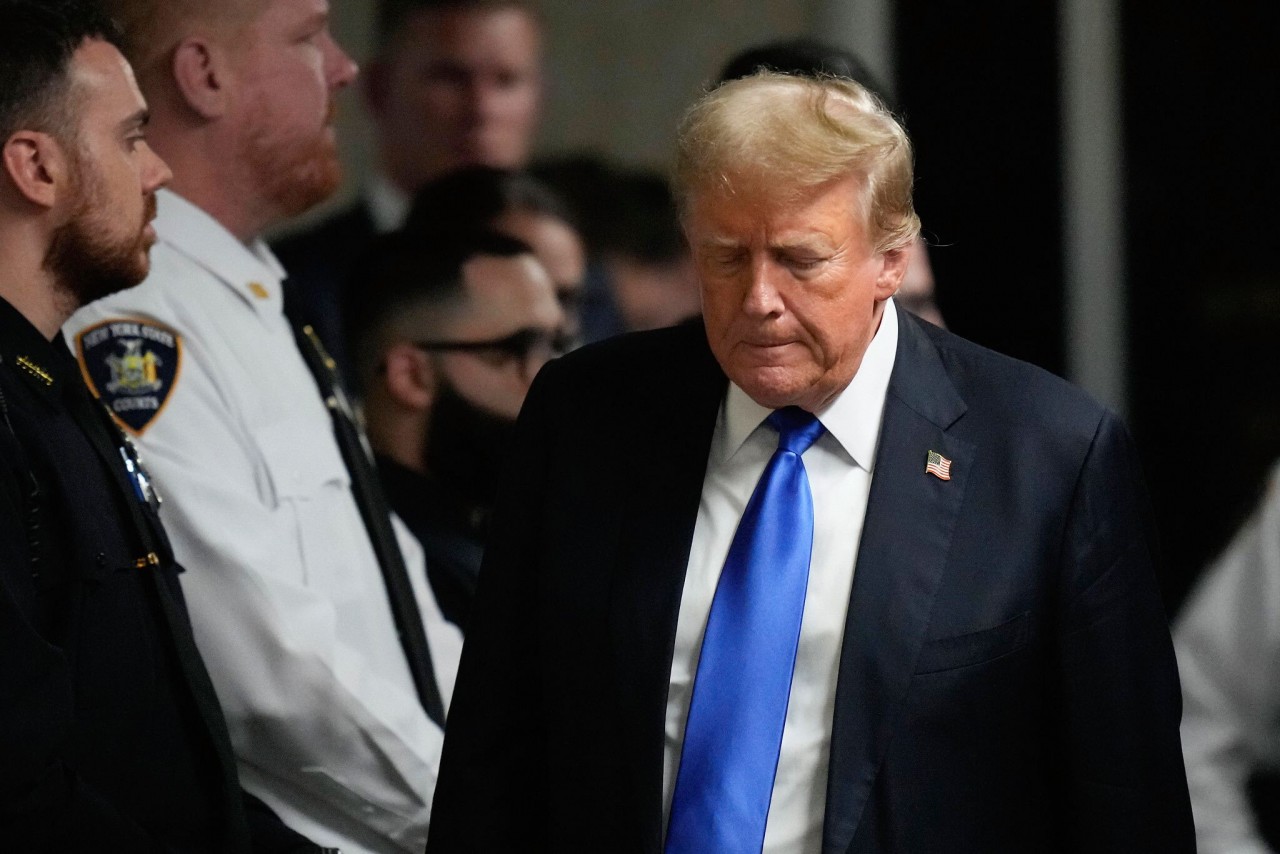
A legal and diplomatic question has begun circulating among policy analysts after the criminal convictions in New York involving Donald Trump. The discussion centers on whether Canada’s immigration laws could theoretically affect the travel of a sitting American president under certain circumstances.
Under Canadian law, the country’s immigration system allows authorities to declare foreign nationals “criminally inadmissible” if they have been convicted of certain serious offenses. These rules are administered by the Canada Border Services Agency and are typically applied to travelers seeking entry for tourism, business, or other purposes.
Legal experts note that the rule is commonly used to prevent entry by individuals with specific criminal convictions, particularly those involving fraud or serious offenses. In most cases, travelers affected by the rule must apply for a waiver or special permission before entering the country.
However, the question becomes more complex when the traveler involved is the president of the United States. Heads of state typically travel under diplomatic arrangements negotiated between governments rather than through standard immigration screening procedures.
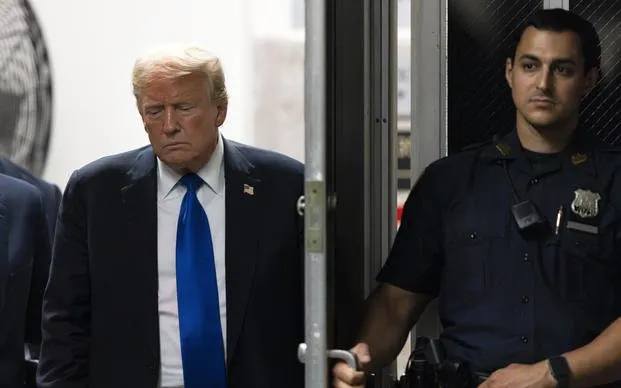
In practice, such visits are usually coordinated through diplomatic channels, including the offices of the prime minister and foreign ministry of the host country. These arrangements often involve security protocols and formal invitations that place the trip within the framework of international diplomacy rather than ordinary travel.
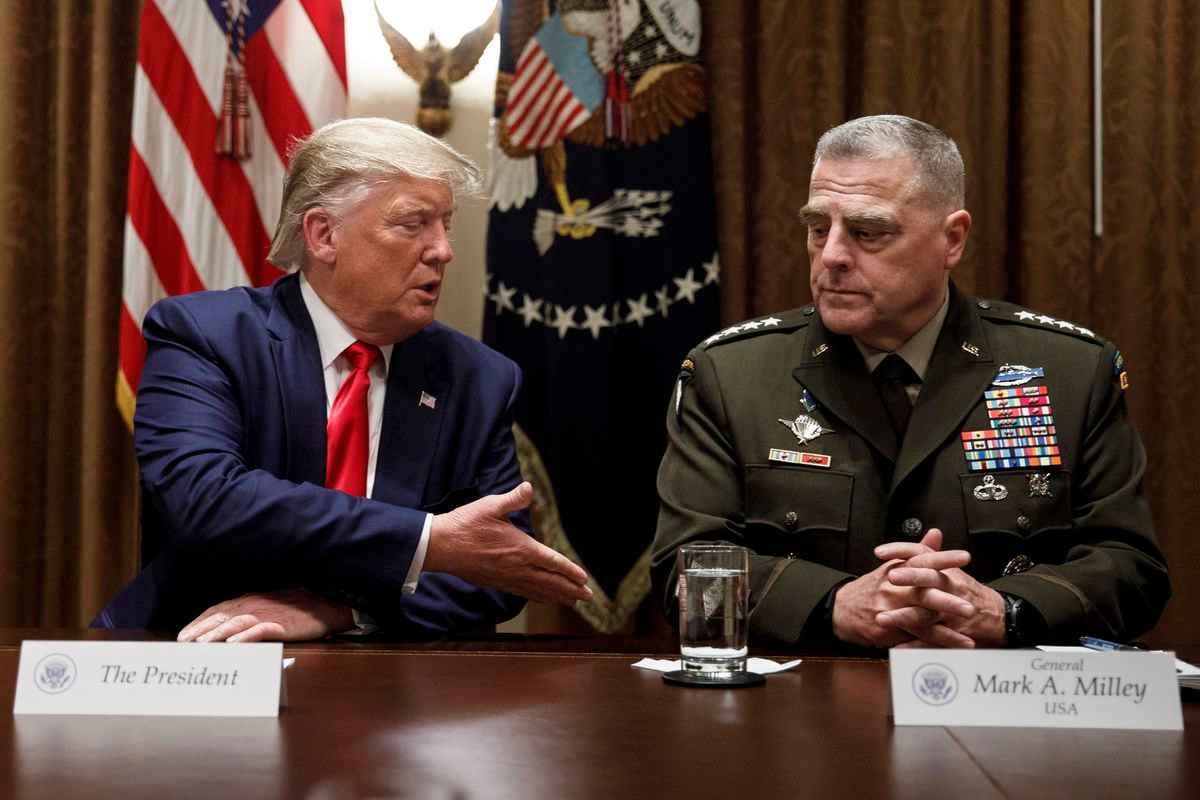
Some legal scholars have suggested that while immigration law theoretically applies to all foreign nationals, exceptions or special accommodations are often made for heads of state and senior government officials. These situations are typically handled through diplomatic agreements rather than routine border enforcement decisions.
The scenario therefore highlights the intersection between domestic law and international protocol. Even if legal provisions exist on paper, governments often rely on diplomatic practices to manage sensitive situations involving allied leaders.
For now, officials in both countries have not indicated that such a situation is under consideration. Still, the discussion illustrates how legal frameworks and diplomatic norms can intersect in unusual ways when high-profile political events raise questions that rarely arise in ordinary international travel.






