🔥 TRUMP’S TRADE STRATEGY IMPLODES as CHINA CUTS OFF KEY EXPORTS — U.S. FACTORIES FREEZE, MARKETS PANIC, and SUPPLY CHAINS SNAP
Donald Trump’s aggressive trade demands suffered a stunning collapse after China abruptly shut down exports of critical materials powering U.S. industries, triggering factory slowdowns, market volatility, and a growing sense of strategic panic in Washington. The move, described by insiders as an “economic ambush,” targeted lithium, battery components, and rare earth materials essential to everything from electric vehicles to advanced military systems.
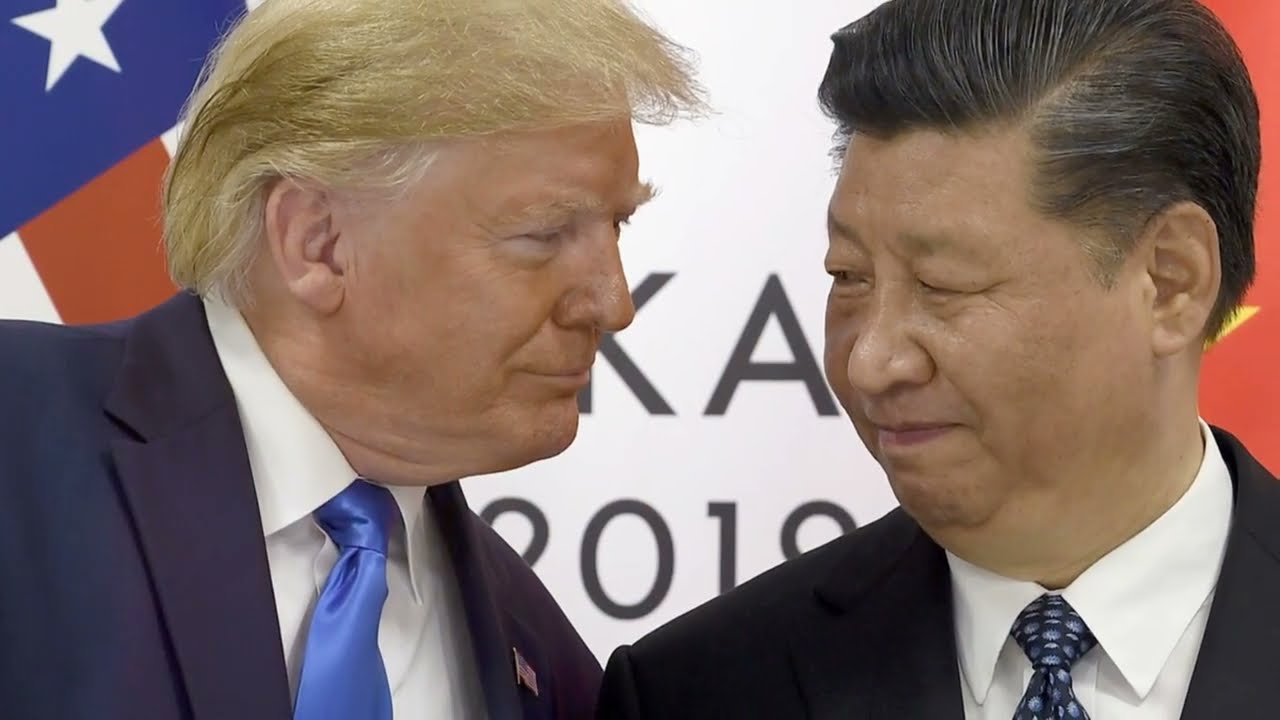
Within hours of Beijing’s decision, the impact was immediate. Treasury officials warned the White House that U.S. manufacturers could face supply exhaustion within days. Screens went dark in Detroit, stock futures slid, and Trump’s long-promised vision of American industrial independence unraveled in real time. While the president publicly dismissed the move as “empty retaliation,” aides privately acknowledged the situation had entered uncharted territory.
The roots of the crisis run deep. For decades, the United States has relied on China for more than 80% of key battery materials, a dependency confirmed by international energy data. Trump’s tariffs were designed to break that reliance, but instead collided with a choke point Beijing spent years constructing—one built on dominance in mining, refining, and midstream manufacturing that no Western producer can quickly replicate.
Markets responded with shock. Commodity prices surged as processed lithium spiked, while analysts warned that replacing Chinese supply before 2028 is virtually impossible. Despite claims that the U.S. has alternatives, government data show America produces less than 1% of global rare earth oxides and virtually none of the battery-grade materials now being restricted. New domestic mines remain years away from meaningful output.
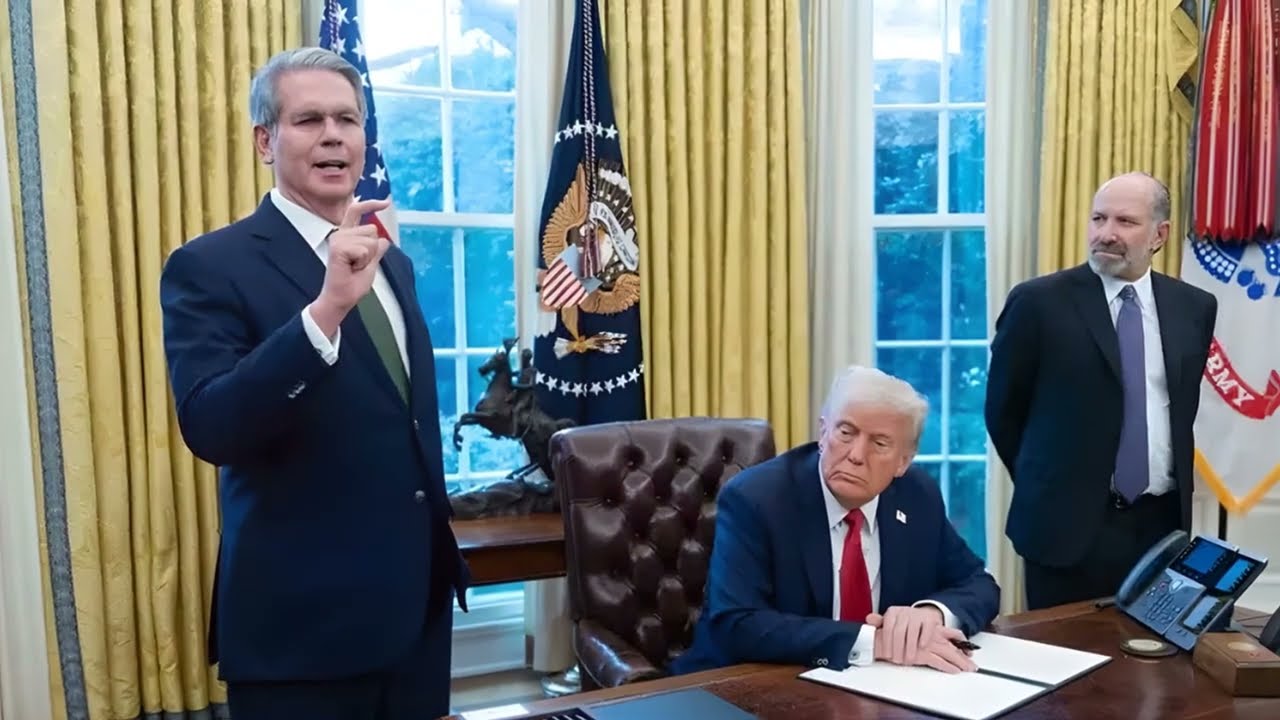
Automakers are among the hardest hit. Ford, GM, and Tesla rely heavily on Chinese cathode inputs for most electric vehicle models, leaving production timelines exposed. At the same time, China quietly tightened export licensing for rare earth magnets—components vital to fighter jets, wind turbines, and EV motors. Pentagon officials reportedly warned that defense suppliers hold less than six months of critical stockpiles.
The pain spread rapidly into U.S. agriculture. As China pivoted soybean purchases entirely to Brazil and Argentina, American exports to Beijing fell to zero for the first time in more than a decade. Billions in farm revenue evaporated in weeks, reviving memories of the last trade war that forced Washington to issue massive bailout packages. This time, however, higher interest rates and deeper debt make relief far more costly.
Strategically, analysts say China’s move is less about retaliation and more about control. By restricting upstream materials, Beijing nudges global manufacturers to relocate production downstream into China, reinforcing its dominance. With Chinese EV giant BYD overtaking Western rivals and new overseas plants supplied entirely by Chinese inputs, the export curbs look like vertical consolidation disguised as trade policy.
As markets oscillate on rumors of negotiations, the reality remains unchanged: export licenses stay frozen, supply chains remain strained, and Washington has no quick fix. Behind the podium rhetoric, the numbers tell a harsher story—manufacturing output slipping, GDP forecasts revised downward, and U.S. battery independence projected at effectively zero by decade’s end. China hasn’t just challenged Trump’s trade strategy; it has exposed the fragile foundation beneath it.