Supreme Court Strikes Down Trump’s Emergency Tariffs, Reshaping Limits of Presidential Power
WASHINGTON — The U.S. Supreme Court has ruled that sweeping tariffs imposed by Donald Trump under emergency economic powers were not authorized by federal law, delivering a major legal setback to one of the administration’s central trade policies. The decision came in the case of Learning Resources Inc. v. Trump, brought by companies that argued the tariffs were imposed without proper statutory authority.

In a 6–3 ruling, the court determined that the statute used by the administration — the International Emergency Economic Powers Act — does not grant a president the authority to impose tariffs. Writing for the majority, Chief Justice John Roberts stated that the law allows certain controls over financial transactions during emergencies but does not authorize broad import taxes.
The tariffs had been announced in April during a policy rollout at the White House, where Trump introduced a baseline global tariff of 10 percent on many imported goods. Administration officials argued the measure was necessary to counter what they described as unfair trade practices and to strengthen U.S. negotiating leverage with foreign partners.
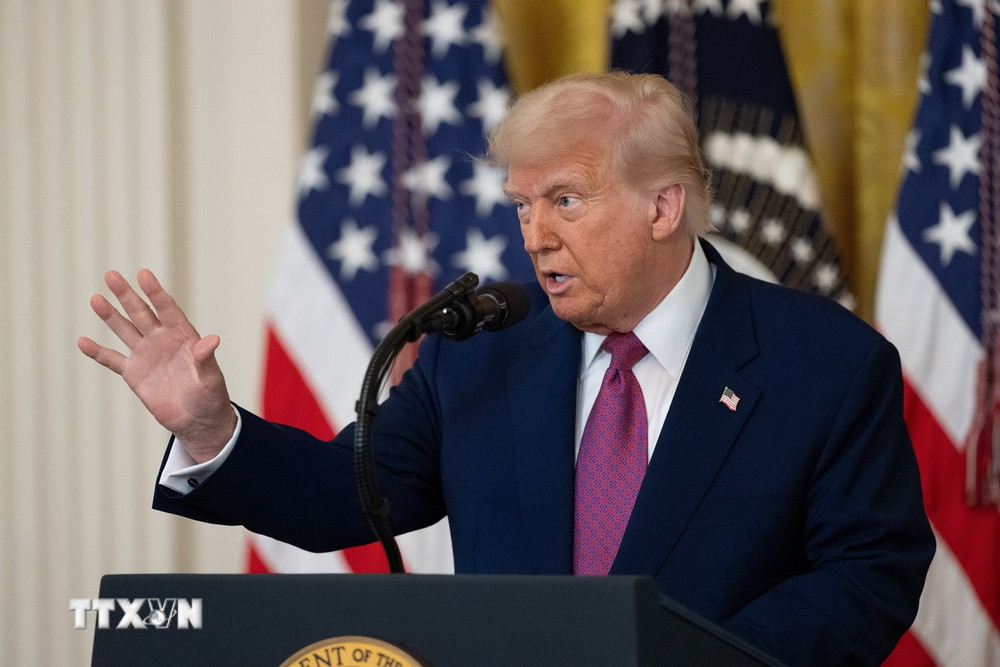
Several companies and trade groups challenged the policy in court, saying the tariffs increased costs for businesses and consumers while exceeding the president’s legal authority. Lower courts initially allowed portions of the policy to remain in effect while litigation continued, setting the stage for the Supreme Court review.
In its opinion, the court emphasized that presidential authority must come from laws passed by Congress. Roberts wrote that regulating imports through tariffs of unlimited scope, duration or amount cannot be justified under the emergency economic statute cited by the administration. The ruling effectively invalidates the tariff program built on that legal theory.
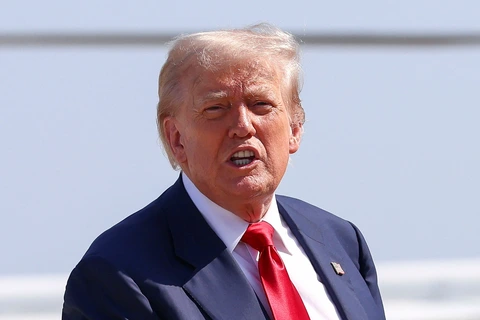
The majority included three conservative justices — Roberts, Neil Gorsuch and Amy Coney Barrett — alongside the court’s liberal justices. Their alignment underscored that the decision rested primarily on statutory interpretation rather than partisan disagreement over trade policy.
The decision could have wide economic consequences because the tariffs had influenced supply chains, trade negotiations and consumer prices since their introduction. Businesses that altered sourcing strategies to avoid the tariffs may now face new uncertainty as federal agencies determine how to unwind the policy.
Legal analysts say the ruling may also affect future disputes over executive authority. By clarifying that emergency declarations alone do not automatically expand presidential powers beyond the limits set by Congress, the decision signals that courts may closely examine whether statutes actually authorize executive actions taken under claims of emergency authority.






