House Resolution to Impeach Trump Faces Limited Support as Political Tensions Grow
WASHINGTON — A resolution introduced in the House of Representatives seeking to impeach Donald Trump has drawn attention on Capitol Hill, though it appears unlikely to advance. The measure was introduced by Representative Shri Thanedar, who argues that concerns about the administration warrant renewed impeachment proceedings.

Thanedar said he intends to continue raising the issue in Congress, describing the effort as necessary oversight of the executive branch. However, Democratic leadership has indicated that the resolution does not have broad support within the party, and lawmakers from both parties are expected to vote to table the measure, effectively preventing it from moving forward.
House leaders signaled that such a vote could occur quickly, reflecting concerns that the proposal would divide attention from other legislative priorities. In Congress, a motion to table a resolution is commonly used to halt consideration of a proposal without holding a full debate on the underlying issue.
The development comes amid broader political tensions in Washington, where lawmakers from both parties have been debating the scope of presidential authority and the direction of administration policies. While some members have expressed strong criticism of the president, others have urged caution about pursuing impeachment without broader bipartisan agreement.
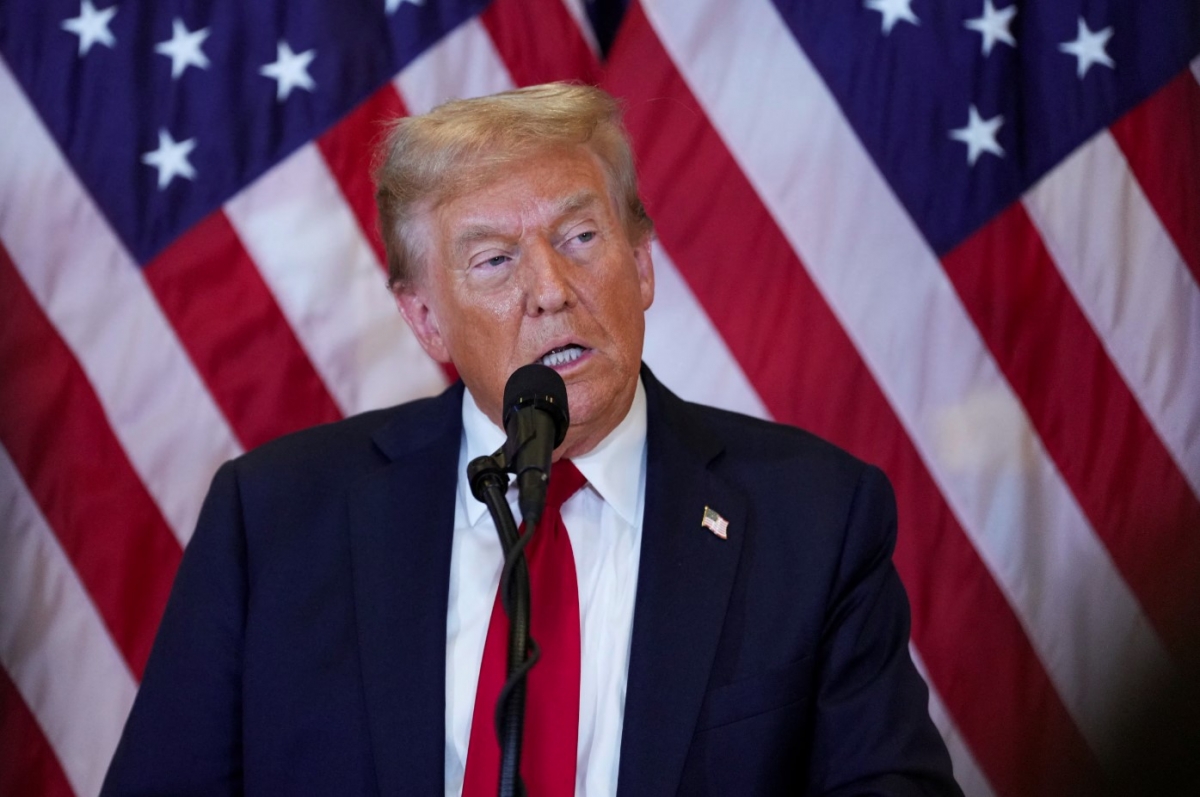
Separately, some lawmakers and commentators have discussed potential impeachment scenarios tied to national security decisions, government operations and other policy disputes. However, no formal articles of impeachment with broad bipartisan support have advanced through Congress at this stage.
Political analysts note that impeachment efforts historically require significant backing within the House before they can succeed. Even if articles of impeachment pass in the House, the Constitution requires a two-thirds vote in the Senate to convict and remove a president from office, a threshold that has rarely been met in U.S. history.

Public debate over presidential authority has intensified as lawmakers continue to examine issues ranging from foreign policy decisions to the functioning of federal agencies. Congressional hearings and investigations remain one of the primary tools lawmakers use to question executive branch actions.
For now, the resolution introduced by Thanedar appears likely to stall procedurally, though the lawmaker has said he plans to keep raising the issue in future sessions. The episode highlights the continuing political divisions in Washington as Congress debates how to respond to disputes involving the president and the administration’s policies.






