A dramatic new geopolitical development in the Arctic is drawing global attention after Canada and Denmark signed a landmark agreement designed to protect the sovereignty of Greenland and limit foreign influence in the region. The pact, finalized in Copenhagen, has triggered strong reactions in Washington, particularly from former U.S. President Donald Trump, who has sharply criticized the move.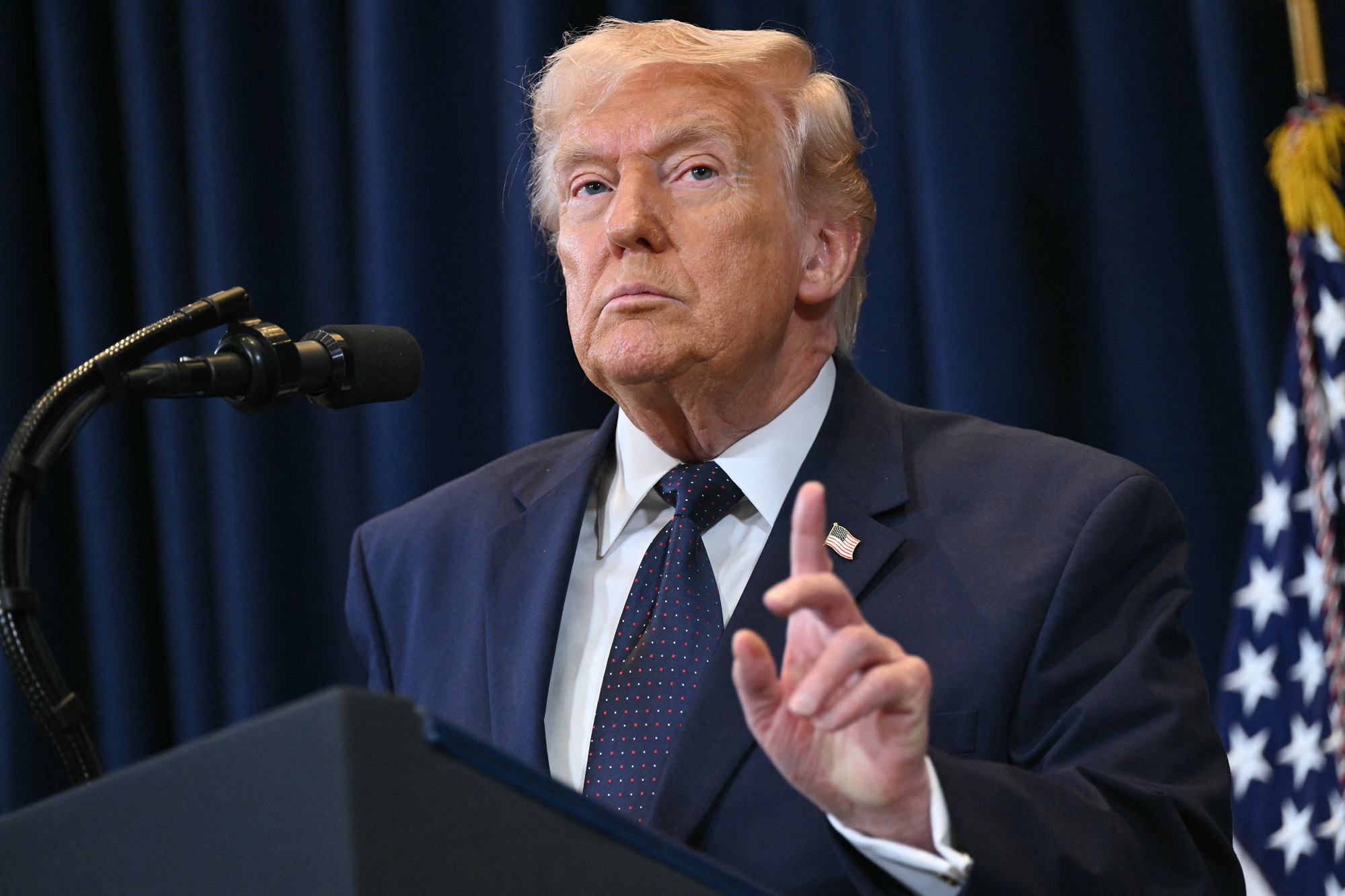
A Historic Arctic Sovereignty Agreement
The agreement was signed in the Danish capital by Canadian leader Mark Carney and Danish Prime Minister Mette Frederiksen, with representatives from 26 countries attending the ceremony. The deal focuses on strengthening Arctic cooperation and ensuring that control over Greenland remains protected from outside political and military pressure.
At the center of the agreement is Greenland, the massive Arctic island that has increasingly become a strategic hotspot due to its natural resources and critical location between North America and Europe.
Under the pact, Canada and Denmark created what they describe as a “mutual sovereignty guarantee.” In practical terms, this means that any threat to Greenland’s territorial integrity would be treated as a threat to Canada’s Arctic territory as well.
The agreement also introduces a powerful veto mechanism. Under this rule, any attempt by a foreign country to establish military bases, sign large-scale resource extraction agreements, or influence Greenland’s territorial status would require explicit approval from both Canada and Denmark.
Strategic Importance of Greenland
Greenland’s importance has grown significantly in recent years. The island sits along key Arctic shipping routes that are gradually becoming more accessible as polar ice melts. It is also believed to hold valuable deposits of rare earth minerals, oil, and natural gas.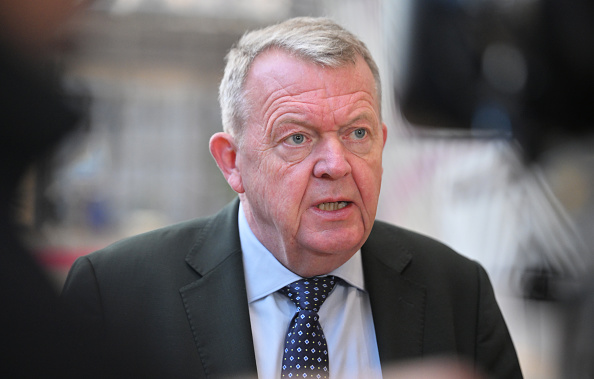
Because of its location, Greenland has long been seen as a strategic military asset. The United States already operates the Pituffik Space Base, which plays a crucial role in missile warning systems and space surveillance.
However, the new Canada–Denmark pact appears designed to prevent other powers from expanding their military presence or gaining control over key parts of the island.
The United States Left Out
One of the most controversial aspects of the agreement is that the United States was not included in the negotiations, despite its longstanding military presence and strategic interests in the Arctic.
Reports suggest that Washington had been exploring ways to deepen its strategic access to Greenland in recent years. The idea of closer U.S. control over the island gained global attention in 2019 when Trump publicly floated the possibility of purchasing Greenland from Denmark.
At the time, Danish officials rejected the proposal outright, calling the island “not for sale.” The latest agreement appears to reinforce that position by establishing a formal framework that restricts any major geopolitical changes involving Greenland.
Trump Responds With Anger
Following news of the pact, Trump issued a series of statements criticizing the deal and accusing Canada and Denmark of undermining U.S. strategic interests.
According to reports, he described the agreement as a betrayal by allied nations and warned that economic retaliation could follow if American interests in the Arctic were ignored.
His remarks quickly ignited debate among political analysts. Some argue that the pact could complicate U.S. Arctic strategy, particularly as global competition for polar resources intensifies.
Supporters Say Pact Protects Smaller Nations
Supporters of the agreement argue that the deal is not aimed at any single country but rather at protecting the sovereignty of smaller Arctic territories from pressure by larger powers.
Officials from both Canada and Denmark say the pact is designed to ensure that Greenland’s future is determined through cooperation and international law rather than geopolitical competition.
They also emphasized that the agreement promotes stability in a region that is rapidly becoming one of the most strategically important areas on the planet.
A New Era of Arctic Politics
The Canada–Denmark pact signals a significant shift in Arctic diplomacy. As climate change continues to open new shipping lanes and expose valuable natural resources, competition among global powers is expected to increase.
For now, the agreement has sent a clear message: the future of Greenland will not be decided unilaterally by outside powers.
Whether the United States chooses to challenge the pact diplomatically or seek new partnerships in the Arctic remains to be seen. But one thing is certain—the geopolitical race for influence in the Arctic has entered a new and more complicated phase.






