Audio Recording Introduced in Congressional Hearing Raises New Questions About Epstein Investigation
WASHINGTON — A dramatic moment unfolded during a House Judiciary Committee hearing when Representative Ted Lieu introduced an audio recording while questioning Kash Patel about decisions related to investigations tied to Jeffrey Epstein. The exchange quickly became the focal point of the hearing and sparked renewed attention across Washington.
According to Lieu, the recording had been obtained through a confidential source and reviewed by independent forensic analysts whose documentation was submitted to the committee. The lawmaker told the hearing that the audio clip was dated January 31, 2025, and was recorded inside the J. Edgar Hoover Building.
During the hearing, Patel was asked whether the voice heard on the recording belonged to him. His legal counsel objected to the introduction of the recording, arguing that the material had not been reviewed fully by the defense and that its context should be examined before any response was given in a public setting.

Lieu responded that his question required only a confirmation about the voice heard in the recording. Patel ultimately declined to authenticate the recording during the hearing and, following additional questioning, invoked his constitutional rights against self-incrimination when asked about the circumstances surrounding the conversation referenced in the audio.
The moment came after several hours of routine oversight questioning about federal law enforcement operations, including discussion of files and investigative decisions related to Epstein. Committee members had been debating transparency around the handling of evidence and investigative records connected to the case.
After the recording was played, Lieu told the committee that the audio file and its certified transcript had already been submitted to multiple oversight authorities, including the Department of Justice inspector general and other congressional committees. He also requested that lawmakers consider issuing subpoenas for additional communications and records connected to the matter.
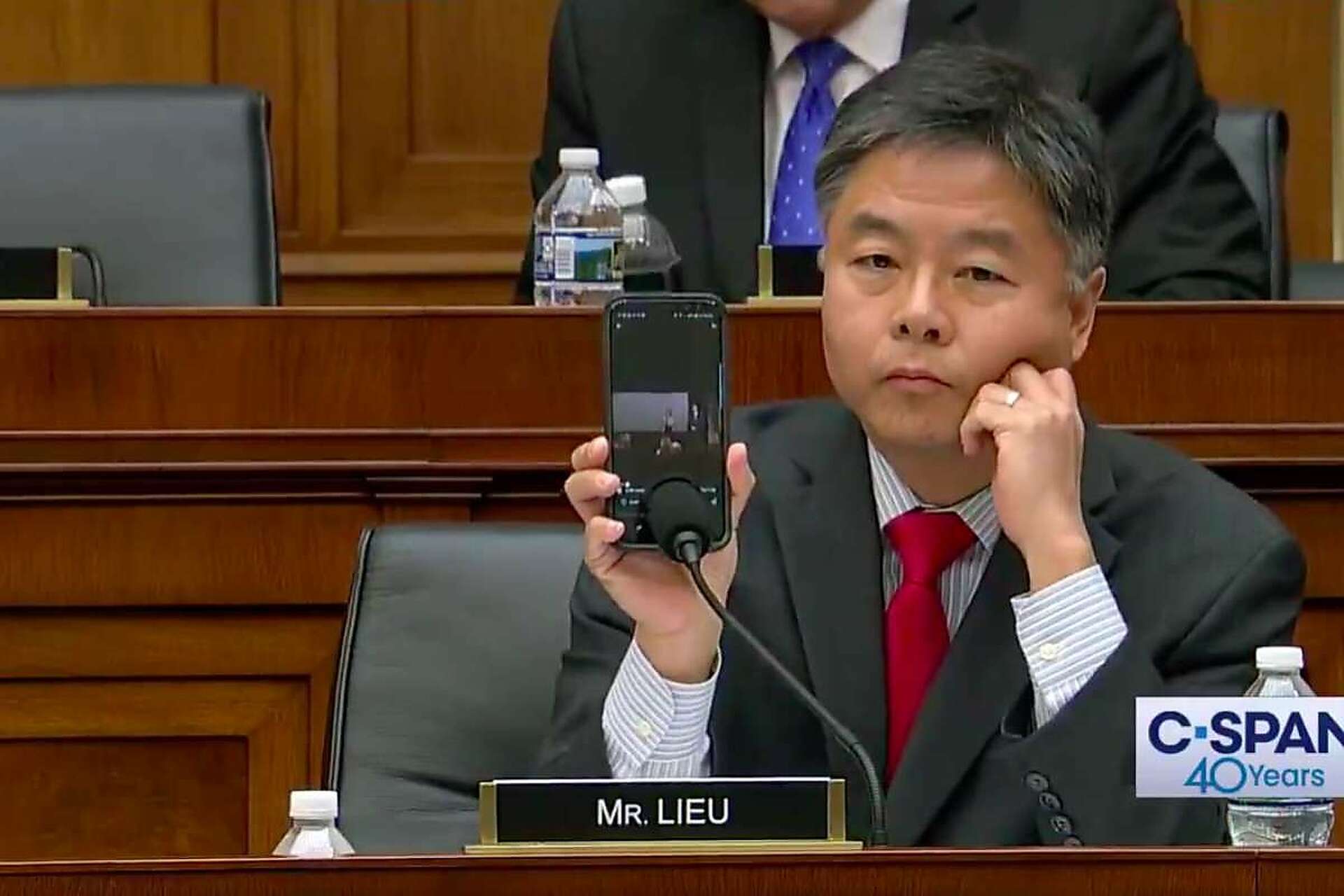
The congressman specifically called for the committee to obtain the complete audio record from the meeting referenced in the clip, along with communications between federal officials during the early period of Patel’s tenure. Those requests are expected to be reviewed by committee leadership as part of ongoing oversight discussions.
Following the hearing, the recording circulated widely online and quickly became the subject of commentary from legal analysts and political observers. While questions remain about the broader context of the audio and the decisions referenced in the hearing, lawmakers indicated that the issue may now move into further investigative review through congressional and inspector general channels.






