In the high-stakes world of political satire, few moments carry the weight of a genuine constitutional confrontation. However, that is exactly what unfolded inside the historic Ed Sullivan Theater recently when Stephen Colbert, the veteran host of The Late Show, decided to turn a legal threat into a televised manifesto for free expression. What began as a standard taping quickly transformed into a cultural flashpoint that has since dominated headlines and social media feeds across the nation.

The conflict centered around a scheduled interview with Texas State Representative James Talerico, a prominent Democratic candidate for the Senate. Talerico was set to appear on the broadcast to discuss the current political climate in the Lone Star State. However, according to Colbert, the situation took a sharp turn behind the scenes when CBS’s own legal department intervened. The network’s lawyers reportedly contacted the show directly, issuing a “no uncertain terms” directive: Talerico could not appear on the broadcast.
But the censorship didn’t stop at a canceled guest. Colbert revealed to his audience that the restrictions were even more granular, extending to a prohibition on even mentioning the fact that the candidate had been barred. This internal network pressure, however, was only the tip of the iceberg. The root of the tension lay in a series of aggressive legal maneuvers from the legal team representing Donald Trump.
:max_bytes(150000):strip_icc()/The-Late-Show-with-Stephen-Colbert-071725-c35a8a7931d344e3930030c320477d11.jpg)
For years, the former President has maintained a volatile relationship with the media, frequently labeling his critics as “low IQ” and targeting comedians and journalists who dare to pierce the veil of his public persona. Colbert, in particular, has long been a thorn in the side of the Trump camp, often highlighting contradictions in the President’s public statements—specifically those regarding his academic records and his documented social ties to figures like Jeffrey Epstein.
In response to Colbert’s biting commentary, Trump’s lawyers reportedly delivered a formal cease-and-desist letter to CBS. The document demanded an immediate cessation of jokes and commentary that they claimed were damaging the President’s reputation and spreading “false narratives.” In the eyes of the legal team, the goal was simple: use the threat of a massive defamation lawsuit to intimidate the network into silence.
When Colbert walked onto the stage that evening, the usual playful atmosphere was absent. Skipping the traditional high-energy monologue, he stood before a hushed crowd carrying a thick stack of legal documents. He addressed the audience with a gravity seldom seen in late-night comedy, framing the moment not as a bit, but as a matter of fundamental principle.
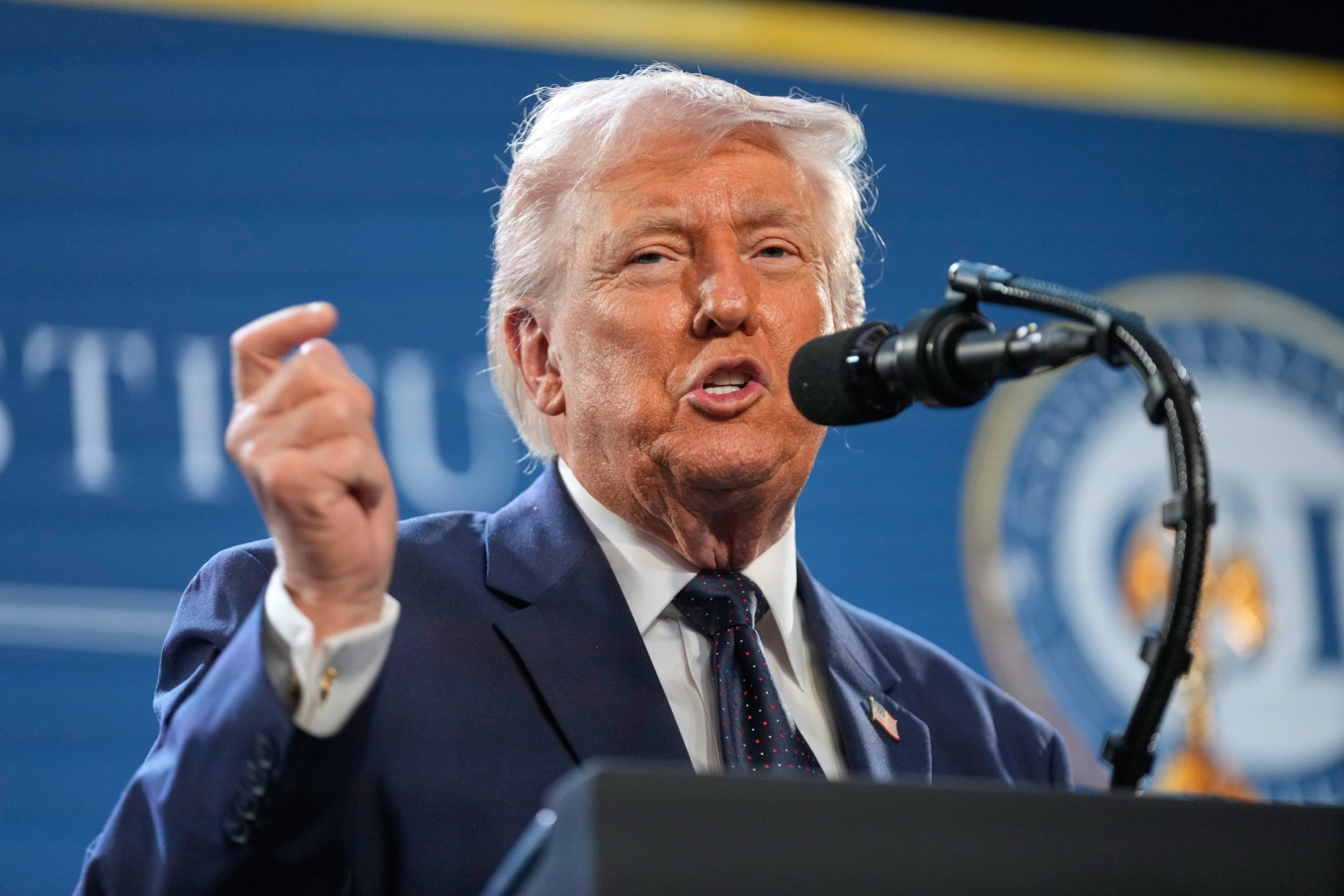
“We were told that we could not have him on the broadcast,” Colbert explained, referring to Talerico. “Then I was told that not only could I not have him on, I could not mention me not having him on.” He paused, looking directly into the camera with a wry smile. “And because my network clearly doesn’t want us to talk about this… let’s talk about this.”
Colbert proceeded to read portions of the cease-and-desist letter aloud. By reciting the stiff, intimidating legal language in his own voice, he effectively stripped the threat of its power. He pointed out the absurdity of a public figure—especially a politician—trying to use the law to suppress satire in a democracy. He argued that these legal threats are often a “projection of deepest fears,” an attempt to hide from the very scrutiny that comes with holding public office.
The climax of the segment occurred when Colbert held the physical pages of the legal warning in his hands. Without a word of apology or a hint of retreat, he slowly and deliberately tore the documents in half, dropping the remnants onto his desk. The reaction from the studio audience was instantaneous—a thunderous eruption of cheers and applause that seemed to shake the rafters of the theater. It was a visual and symbolic rejection of the attempt to silence the show.
Legal experts have since weighed in on the confrontation, noting that aggressive legal threats against media personalities can often backfire. This phenomenon, known as the “Streisand Effect,” suggests that attempts to suppress information frequently result in that information receiving far more attention than it would have otherwise. Furthermore, many analysts pointed out that if a defamation case were to actually proceed, it would trigger the “discovery” process, potentially forcing the disclosure of the very academic or personal records the President has fought so hard to keep private.
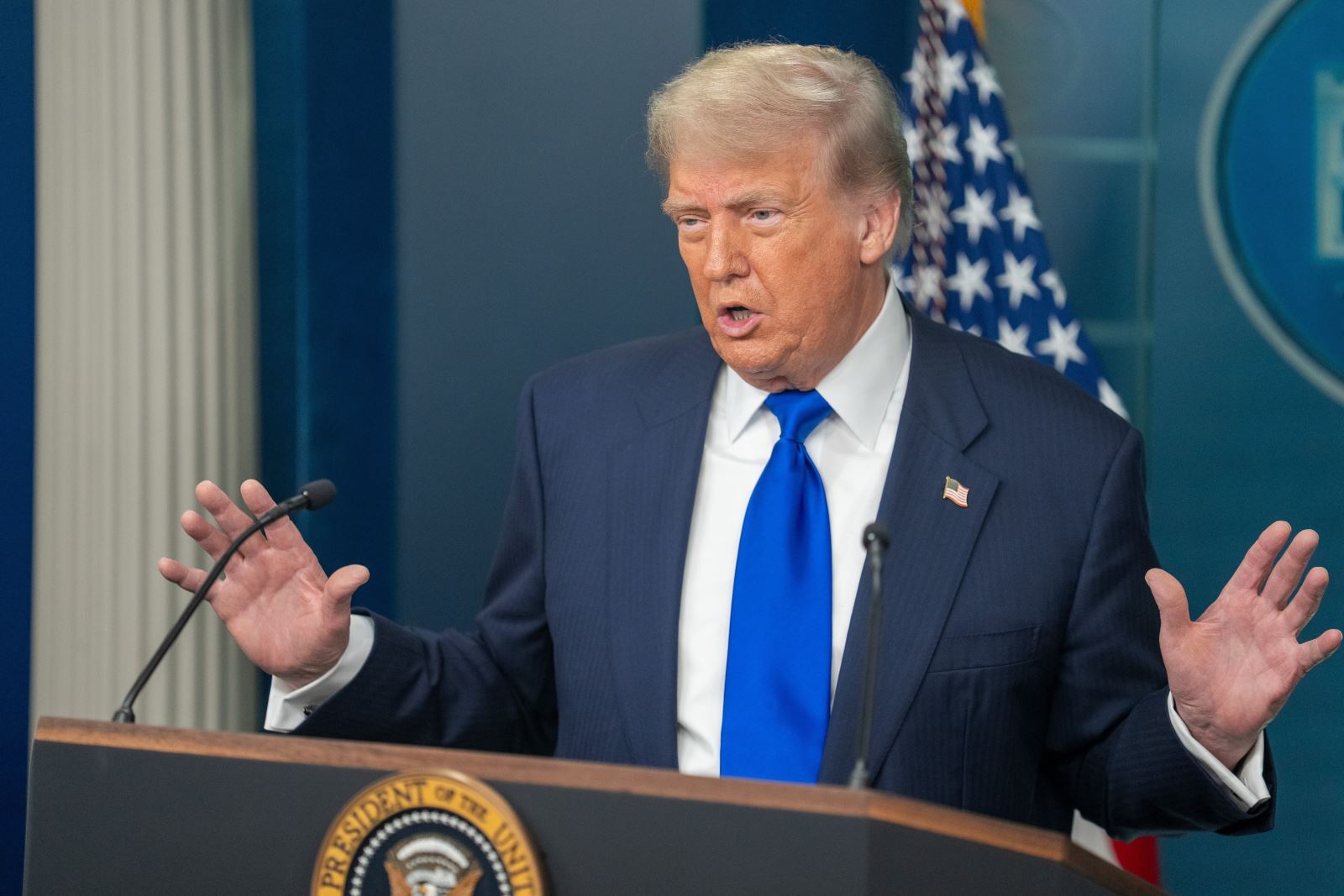
Beyond the legal technicalities, the event served as a stark reminder of the evolving role of late-night hosts in the modern era. They are no longer just joke-tellers; they have become frontline defenders of public discourse. Colbert’s refusal to back down highlighted a growing tension between political power and the media’s right to criticize that power through humor.
As the clips of the segment went viral, the debate spread across social media. Supporters hailed Colbert as a hero of the First Amendment, while critics questioned where the line should be drawn between fair commentary and partisan attack. Regardless of one’s political leanings, the image of Colbert tearing up those documents has become an indelible symbol of the current era of American politics.
In the end, the attempt to intimidate The Late Show didn’t result in a quiet apology or a shift in content. Instead, it created one of the most-watched and most-discussed television moments of the year. It proved that in a democracy, the loudest insults and the heaviest legal threats often fail when met with a simple, defiant refusal to be silenced. Colbert’s message was clear: the truth, and the right to laugh at it, is not for sale.






