Democrat Flips Long-Held Republican Seat in Texas Special Election, Signaling Possible Voter Shift
FORT WORTH, Texas — A special election in North Texas delivered a surprising result when Democratic candidate Taylor Remnant won a state Senate seat long held by Republicans, defeating a Trump-endorsed opponent by a wide margin in a district that had strongly favored the GOP in recent elections.

The race took place in a suburban district in Tarrant County, an area that former president Donald Trump carried comfortably during the 2024 presidential election. According to election results, Remnant secured roughly 57 percent of the vote, while the Republican candidate — who had received Trump’s endorsement — finished with about 43 percent.
Political analysts say the outcome represents a significant shift in a district that had been widely viewed as a safe Republican seat. In the 2024 presidential race, Trump reportedly won the same district by approximately 17 percentage points, making the roughly 14-point Democratic victory in the special election an unusually large swing.
Speaking after the election, Remnant attributed his success to focusing on practical issues rather than partisan messaging. During interviews with national media, he said the campaign emphasized local concerns and community engagement, particularly through door-to-door outreach in neighborhoods around Fort Worth.
Republican leaders in Texas acknowledged the result as a warning sign. Some officials suggested that lower turnout among Republican voters may have played a role, while Democratic voters appeared highly motivated in the off-cycle election. Special elections often produce unpredictable turnout patterns that can shift results away from historical voting trends.
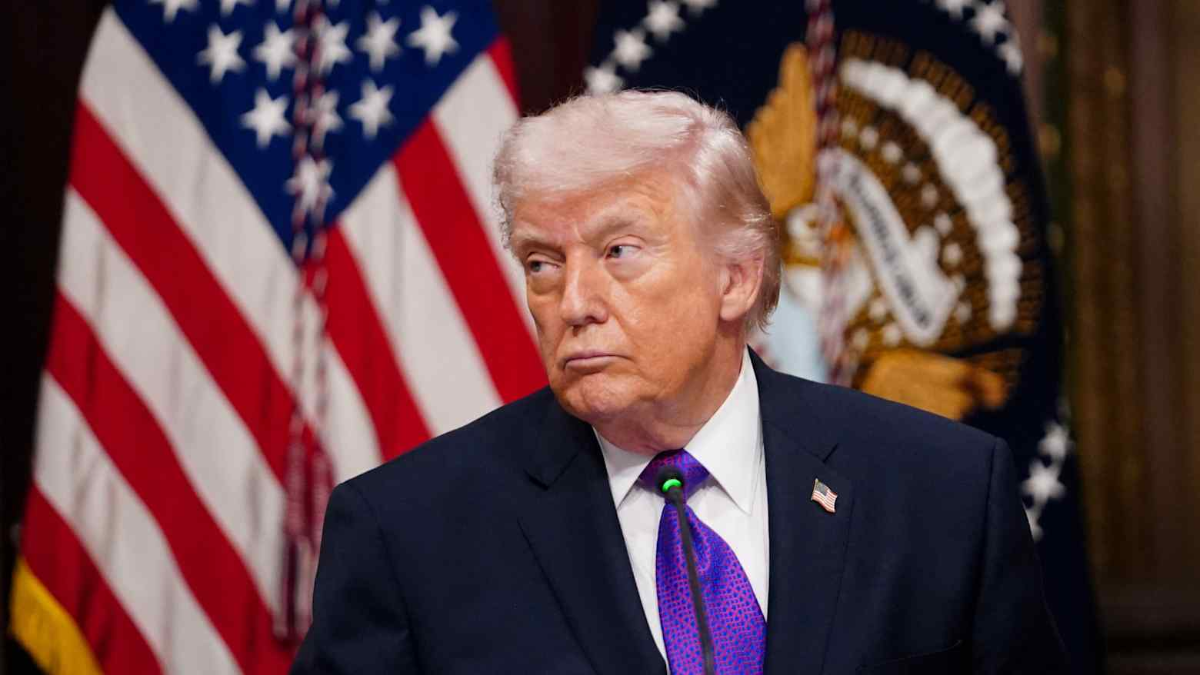
The race also drew national attention because of Trump’s personal involvement. The former president had endorsed the Republican candidate and urged supporters to vote in the contest. After the loss, Trump told reporters that the election was primarily a local race and said he was not personally on the ballot.
Democratic strategists quickly pointed to the result as evidence that voter sentiment may be shifting ahead of the 2026 midterm elections. Party leaders said the outcome showed that Democrats could compete even in districts previously considered difficult terrain.
Still, election experts cautioned that special elections do not always predict broader national trends. Factors such as weather conditions, campaign timing and turnout differences can heavily influence outcomes in off-cycle races.
Even with those caveats, the Texas result has intensified political debate about voter enthusiasm and party momentum. With midterm elections approaching, both parties are studying the outcome closely for clues about how suburban voters — particularly in rapidly growing regions like the Dallas–Fort Worth area — may shape future contests.






