🚨 BOMBSHELL ALERT: FOX NEWS OBLITERATES TRUMP’S LAZY SUNDAY WITH VENEZUELA CATASTROPHE — Insider Fury Ignites as Political Firestorm Brews, Allies Scrambling in Secret Panic Mode 💥
WASHINGTON — A U.S. intervention in Venezuela championed by former President Donald Trump has begun to unravel amid mounting security concerns, diplomatic backlash and warnings from within the American political establishment — including an unusually stark report aired by Fox News.
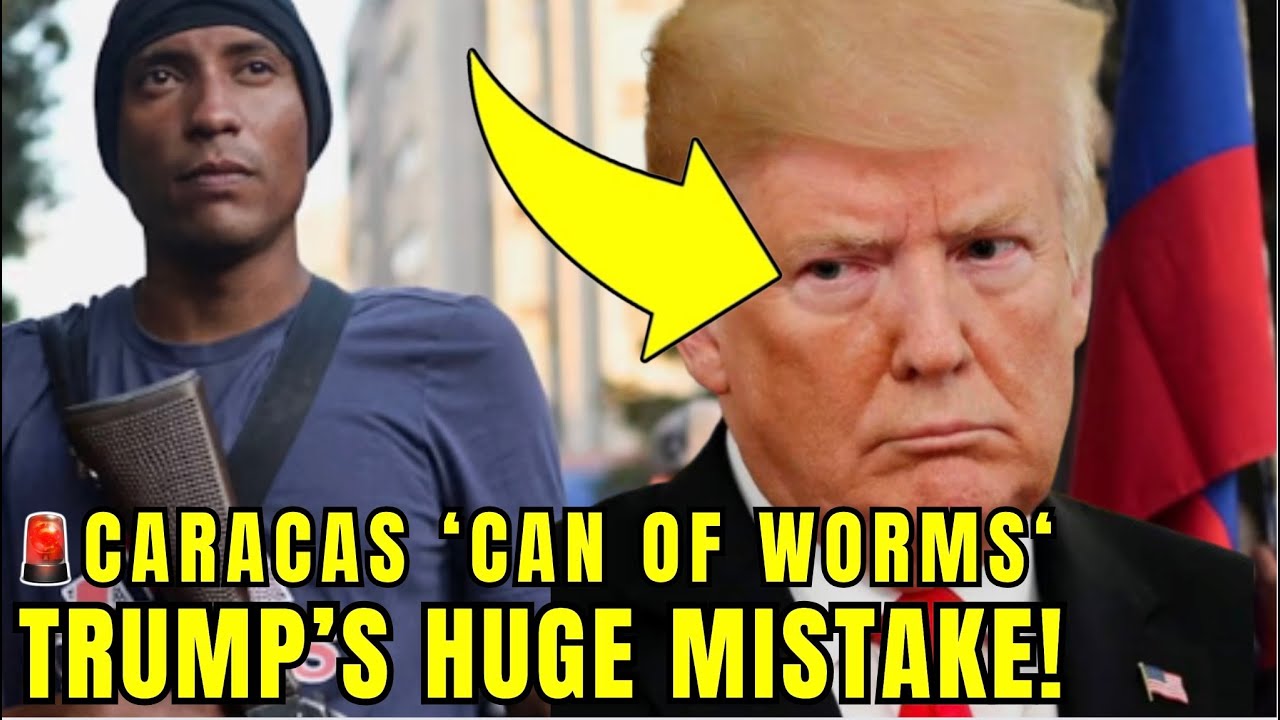
In remarks following the operation that removed Venezuela’s leader, Mr. Trump suggested that the United States would oversee the country’s transition until what he described as a “safe, proper and judicious” transfer of power could be arranged. The assertion immediately raised alarms among foreign policy experts, who questioned both the legality and feasibility of the United States “running” a foreign nation already weakened by years of economic collapse and political instability.
The concerns intensified on Sunday after Fox News reported that armed militias known as “collectivos” had begun erecting roadblocks across parts of Venezuela, stopping vehicles to search for evidence of U.S. citizenship. The network cited warnings from the U.S. Embassy urging American citizens to leave the country immediately as international flights resumed.
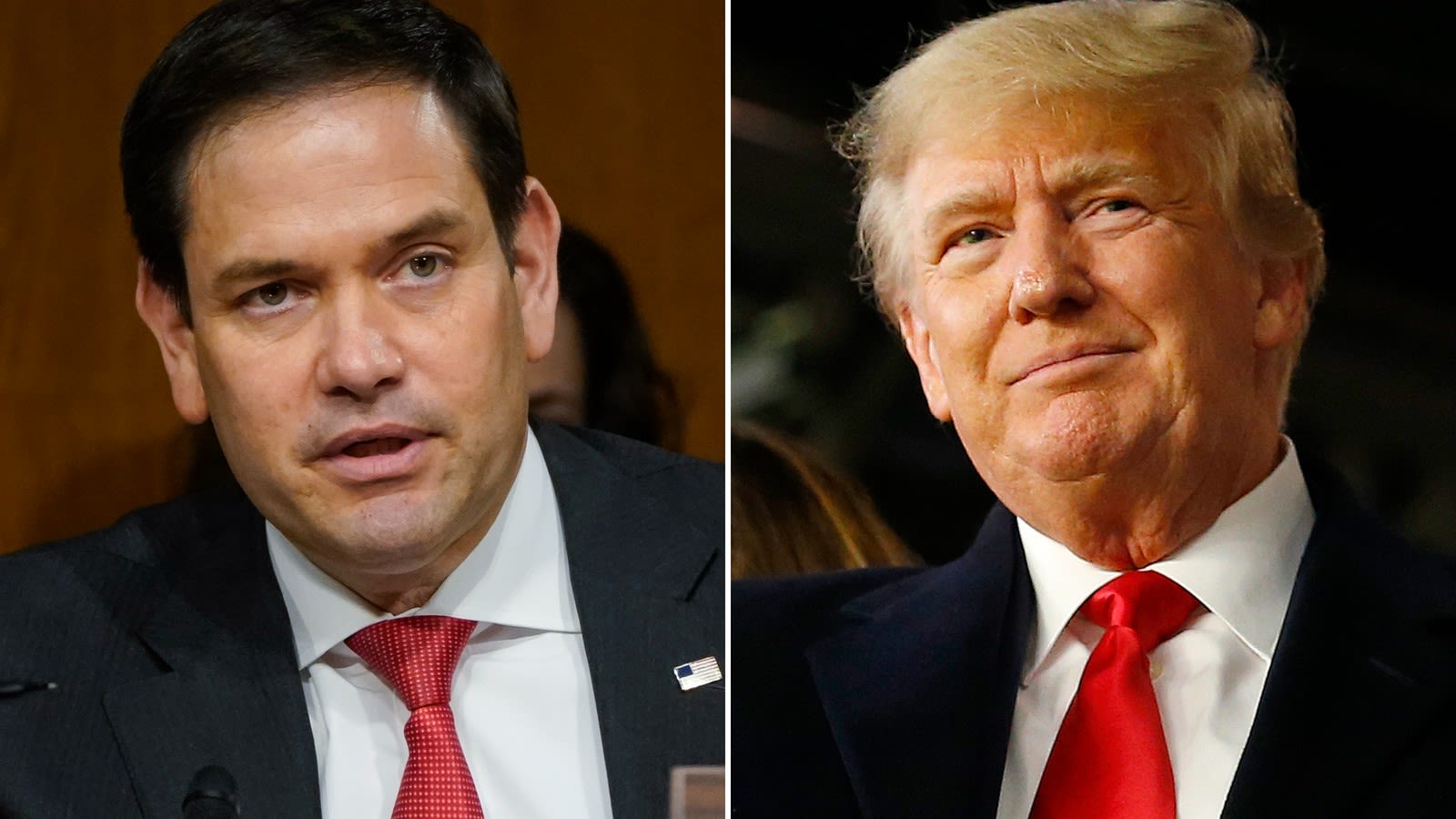
The developments undercut the administration’s stated objective of stabilizing Venezuela and prompted pointed criticism from Democratic lawmakers. Representative Ted Lieu seized on the Fox report, writing that the White House and Secretary of State Marco Rubio were presiding over a situation so volatile that Americans were being advised to flee.
“You’re doing such a great job running Venezuela that you’re now warning Americans to escape armed militias,” Mr. Lieu wrote, adding that the chaos made it implausible that U.S. companies would invest in the country anytime soon.
At the center of the controversy is Mr. Trump’s insistence that the intervention would ultimately benefit both U.S. national interests and the Venezuelan people. Mr. Rubio echoed that rationale in public remarks, arguing that political change in Venezuela would bring regional stability and improve security across the hemisphere.
But critics say the administration failed to anticipate what often follows the sudden removal of a strongman: a power vacuum filled not by democratic institutions, but by armed groups, criminal networks and opportunistic actors. The immediate emergence of roadblocks and militia patrols, analysts argue, reflects a familiar pattern seen in previous U.S. interventions.
“This is the classic problem of unintended consequences,” said one former national security official, who noted that without sustained security forces on the ground, destabilization is almost inevitable. “When you remove centralized control without a plan for what comes next, you don’t get democracy — you get fragmentation.”
Economic concerns have also surfaced. Venezuela holds some of the world’s largest oil reserves, and the prospect of restoring production has been framed by allies of Mr. Trump as a strategic opportunity. But energy analysts warn that a sudden influx of Venezuelan oil could disrupt global markets, undercut American exports and strain relationships with key partners in the Gulf, including Saudi Arabia and the United Arab Emirates.
“Flooding the market has ripple effects,” said one energy economist. “It doesn’t just affect Venezuela — it reshapes global pricing and alliances.”
The situation has revived broader questions about America’s history of interventionist policy. Commentators across the political spectrum have invoked the lessons of past conflicts, including Afghanistan in the 1980s — a period dramatized in the film Charlie Wilson’s War — where short-term tactical victories led to long-term instability.
Inside Washington, the episode has also highlighted tensions between political messaging and operational reality. While the administration framed the intervention as decisive leadership, the State Department’s own evacuation warning suggested a lack of control on the ground.
For Venezuelans, the consequences are immediate and tangible: fear, uncertainty and the reemergence of armed authority in daily life. For Americans still in the country, the message has been clear — leave while you can.
As the situation evolves, the Venezuela operation threatens to become a defining case study of modern U.S. foreign policy miscalculation. Whether the administration can contain the fallout remains uncertain, but the early signs — acknowledged even by conservative media — point to a crisis that extends well beyond rhetoric.
What was presented as a strategic triumph now risks being remembered as a cautionary tale: a reminder that dismantling a regime is far easier than building a stable nation in its place.






