🎤 JUST IN: TRUMP FIRES BACK AFTER GRAMMY JOKE — TREVOR NOAH AND JIMMY KIMMEL’S RESPONSES SHIFT THE MOMENT INSTANTLY
The long-running tension between Donald Trump and late-night television comedians resurfaced recently after a joke at the Grammy Awards prompted a public response from the former president and replies from two prominent hosts, Trevor Noah and Jimmy Kimmel.

The exchange began when Noah, who hosted the Grammy ceremony, delivered a comedic aside while presenting one of the evening’s awards. The remark referenced Trump in a way typical of awards-show humor, briefly connecting the former president to a broader political joke that drew laughter from the audience in the room.
Trump soon responded on social media, criticizing both the awards ceremony and its host. In a post on his platform, he described the broadcast as “virtually unwatchable” and dismissed Noah as an ineffective host. The message went further, unexpectedly mentioning Kimmel as well, criticizing his work as host of the Academy Awards and grouping both comedians together as representatives of what Trump portrayed as a declining entertainment establishment.
The criticism was consistent with Trump’s long-running feud with late-night television. During and after his presidency, hosts across multiple networks frequently incorporated Trump’s statements, policies and public appearances into nightly monologues. Trump, in turn, has often responded by accusing those programs of political bias or personal hostility.
For Noah, the latest remark was simply another example of that dynamic. During his tenure as host of The Daily Show, he often used satire to comment on American politics, including Trump’s presidency and political movement. His style combined sharp commentary with the perspective of an international observer, which occasionally drew criticism from Trump supporters who argued that his jokes misrepresented the country.
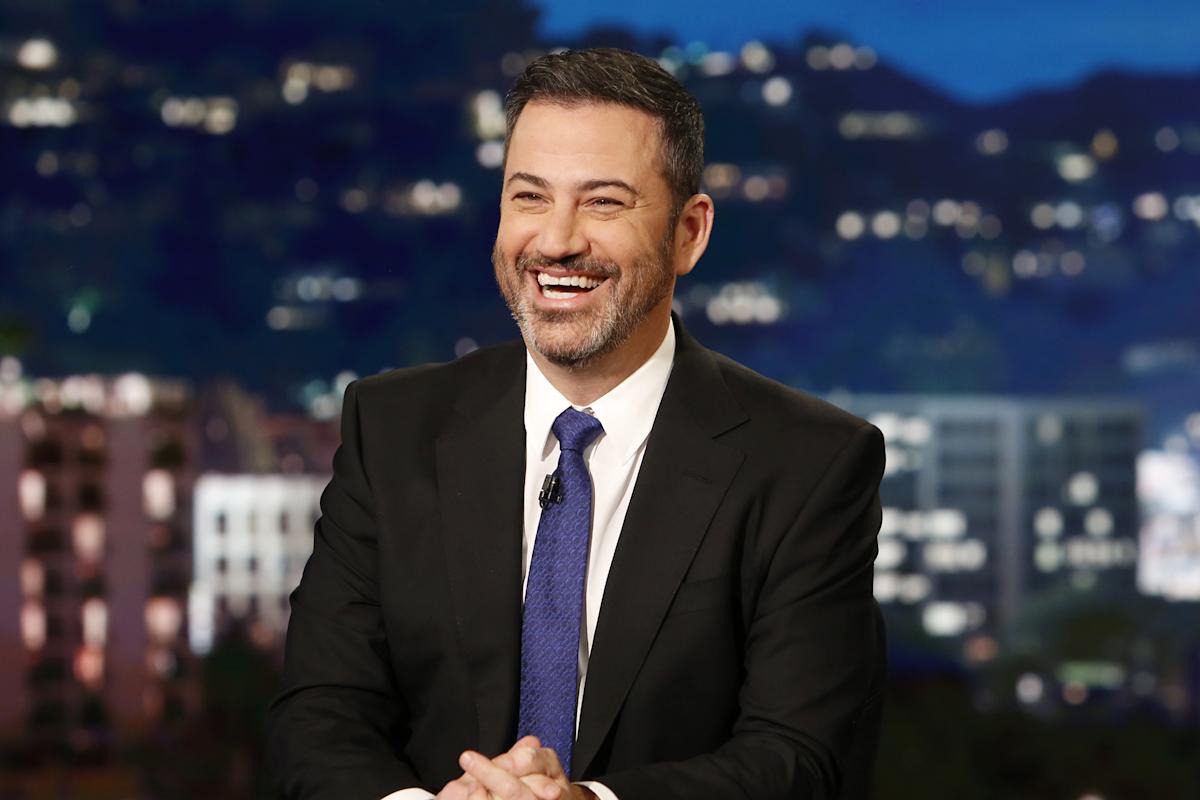
Kimmel, meanwhile, encountered the controversy almost by surprise. Although he was not involved in the original Grammy joke, Trump’s social media post mentioned him by name, drawing him into the dispute.
When Kimmel opened his program that evening on Jimmy Kimmel Live!, the audience already knew about the post. The host addressed it early in his monologue, acknowledging the criticism with a mixture of humor and irony.
Kimmel joked that he appreciated being mentioned alongside Noah, describing the comparison as flattering. The audience responded with laughter, but the host soon broadened the point. Moments like these, he suggested, often follow a familiar pattern: when political figures face criticism or controversy, attention sometimes shifts toward comedians who comment on the news rather than the news itself.
The remark reflected a view widely shared among late-night hosts — that their work is reactive rather than agenda-setting. Comedy writers typically build monologues around events already dominating headlines, translating political developments into satire for television audiences.
“If you don’t want comedians talking about you,” Kimmel suggested, the simplest solution would be to stop generating material for them.
The line drew applause in the studio and quickly circulated online, where clips from the segment spread across social media platforms. By the following morning, the exchange had become a widely discussed example of the ongoing interplay between political figures and entertainment media.
Noah, who stepped down from “The Daily Show” in 2022 but remains active in stand-up and commentary, offered his own response on social media. His reply was brief and dismissive, continuing the comedic tone that had sparked the exchange in the first place.

Supporters of Trump framed the episode differently, arguing that late-night hosts often function as partisan critics rather than neutral entertainers. For years, they have contended that comedians target conservative politicians more aggressively than liberal ones, contributing to what they see as a politically skewed media landscape.
Others interpreted the exchange as another example of Trump’s distinctive approach to criticism. Throughout his career in business, television and politics, Trump has often responded directly to public mockery, treating jokes and commentary as challenges to be confronted rather than ignored.
The dynamic has occasionally worked to the benefit of both sides. Political figures gain visibility when their comments dominate news cycles, while comedians receive fresh material for monologues that depend on topical relevance.
In this case, the moment also highlighted how quickly a brief awards-show joke can evolve into a larger media narrative. A single line delivered onstage became the catalyst for online commentary, late-night responses and renewed debate about the role of satire in political culture.
For decades, American late-night television has served as both entertainment and a form of informal political commentary. Hosts from earlier eras — including figures like Johnny Carson and David Letterman — frequently joked about presidents and public officials. What has changed in recent years is the speed with which those jokes circulate and the intensity with which political figures sometimes respond.
The exchange among Trump, Noah and Kimmel reflects that evolving environment. In an era when social media amplifies every remark, even a brief punchline at an awards ceremony can spark a national conversation.
And as long as politics and entertainment continue to intersect on television screens and digital platforms, the relationship between comedians and political power is unlikely to grow quieter anytime soon.






