GOP Signals Concern as Mike Johnson Acknowledges ‘Hiccup’ With Hispanic Voters Ahead of Critical Midterms

A candid remark from House Speaker Mike Johnson has sparked renewed discussion in Washington about the stability of the Republican coalition that helped return Donald Trump to the White House in 2024. Speaking during a Republican policy retreat, Johnson acknowledged that the party has experienced what he described as a “little hiccup” with Hispanic and Latino voters, a group that played a surprisingly influential role in Trump’s electoral comeback.
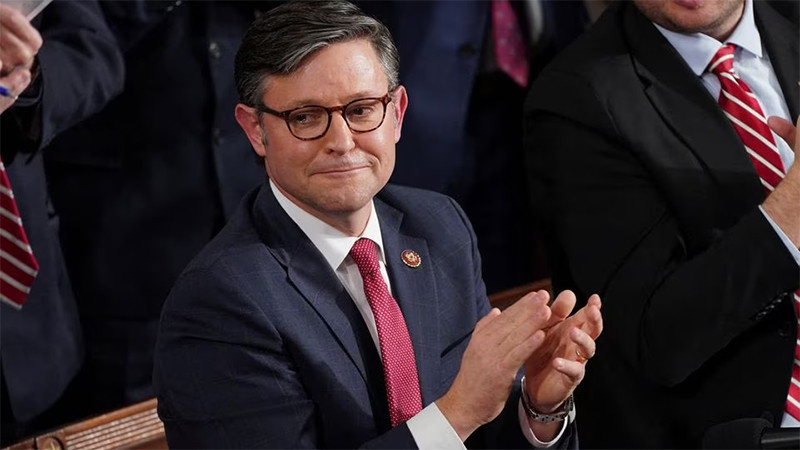
Johnson’s comment came as Republicans evaluate their strategy heading into upcoming midterm elections. During the retreat, the Speaker suggested that some immigration enforcement policies had been viewed by certain voters as too strict, prompting concern within party leadership about maintaining support among key demographic groups.
“We got a little hiccup with some of the Hispanic and Latino voters for certain because some of the immigration enforcement was viewed to be overly strict,” Johnson said, adding that Republican leaders believe adjustments in policy approach and communication could address those concerns.
The comment has drawn attention from political analysts because public acknowledgments of voter concerns from senior party leaders are relatively rare. Such statements often reflect broader internal discussions about polling data, voter feedback, and the long-term durability of political alliances.
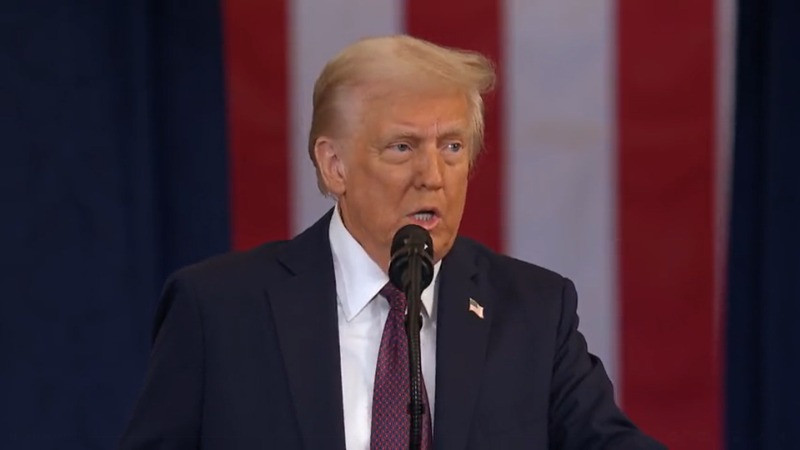
Hispanic voters became one of the most closely watched elements of Trump’s 2024 coalition. For decades, Latino voters were widely seen as a reliable Democratic voting bloc. However, in the last election cycle, Republicans made noticeable gains among Hispanic communities in several battleground states, reshaping assumptions about the future of American electoral politics.
Political strategists from both parties noted that economic messaging, cultural issues, and concerns about public safety contributed to the shift among some Hispanic voters toward Republican candidates. At the same time, immigration policy remains one of the most complex and sensitive issues within that electorate.
Some policy critics argue that stricter border enforcement measures and strong rhetoric surrounding deportations could risk weakening support among communities that had begun showing greater openness to Republican messaging. Others inside the party maintain that the overall shift among Hispanic voters reflects deeper political changes that will remain in place.
Johnson emphasized that Republican leaders believe the broader demographic trend still favors the party. He pointed to potential leadership adjustments within the Department of Homeland Security as part of an effort to ensure that immigration policies are implemented in a balanced and thoughtful way.
Still, the Speaker’s use of the phrase “course correction” has drawn attention among political observers. In Washington, such language often indicates that party leaders are reassessing strategies based on evolving political realities.
Beyond Hispanic voters, several other parts of Trump’s political coalition are also being closely watched. Analysts note that shifts in voter sentiment among independents and certain working-class communities could influence the political landscape in the coming election cycles.
Economic concerns in rural America may also play a role. Farmers, who have long been considered a cornerstone of Republican electoral strength, have recently raised concerns about rising input costs and market volatility. In particular, increases in fertilizer prices and uncertainty in global commodity markets have placed pressure on some agricultural producers.
Several farmers interviewed in recent reports described growing anxiety about maintaining profitability amid rising expenses and unpredictable market conditions. For communities where agriculture represents a major economic driver, these concerns can translate into broader political discussions about economic policy and trade.
Meanwhile, voter participation trends are drawing attention as well. In Texas, for example, turnout in a recent Democratic Senate primary reached roughly 2.3 million voters, surpassing previous participation records for that type of race. In an unusual development, more voters selected Democratic ballots than Republican ones in the state’s midterm primary cycle—something analysts say has not occurred in more than two decades.
Political analysts caution that a single election cycle rarely determines long-term political trends. Turnout patterns can fluctuate depending on candidate enthusiasm, local issues, and national political dynamics. Still, shifts in participation often serve as an early signal of changing voter energy.
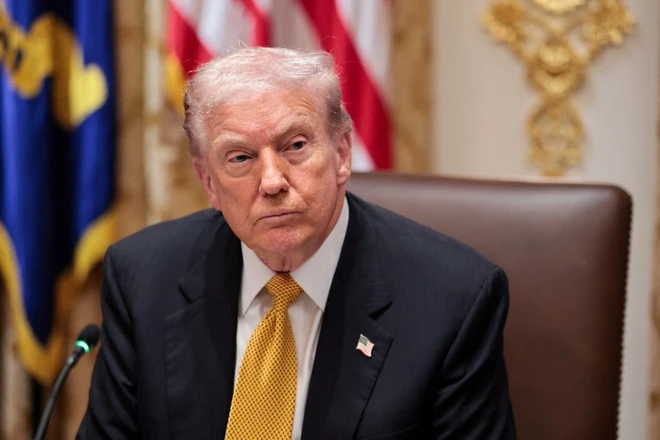
Special elections across several states have also shown Democrats gaining ground in certain districts that previously leaned Republican. According to national campaign organizations, Democratic candidates have flipped a number of legislative seats in battleground or traditionally conservative areas since Trump’s return to the presidency.
Despite these developments, the broader political picture remains uncertain. Midterm elections historically present challenges for the party holding the White House, but the outcome often depends on economic conditions, campaign strategy, and voter turnout.
For Republicans, the stakes are particularly high. The party currently holds a narrow majority in the House of Representatives, meaning that even a small number of seat changes could alter the balance of power in Congress.
In that context, Johnson’s brief acknowledgment of a “hiccup” with a key voting bloc has taken on greater significance. Whether the comment reflects a temporary political concern or an early indicator of shifting voter dynamics will likely become clearer as the next election cycle approaches.






