Headline: Federal Judge Rebukes Attorney General Pam Bondi in Immigration Court Dispute, Renewing Debate Over Judicial Independence

Orlando, Fla. — A tense exchange inside a federal courtroom this week has reignited debate over the relationship between the executive branch and the federal judiciary, after U.S. District Judge Gregory Presnell publicly criticized Attorney General Pam Bondi over comments she made about judges handling immigration cases.
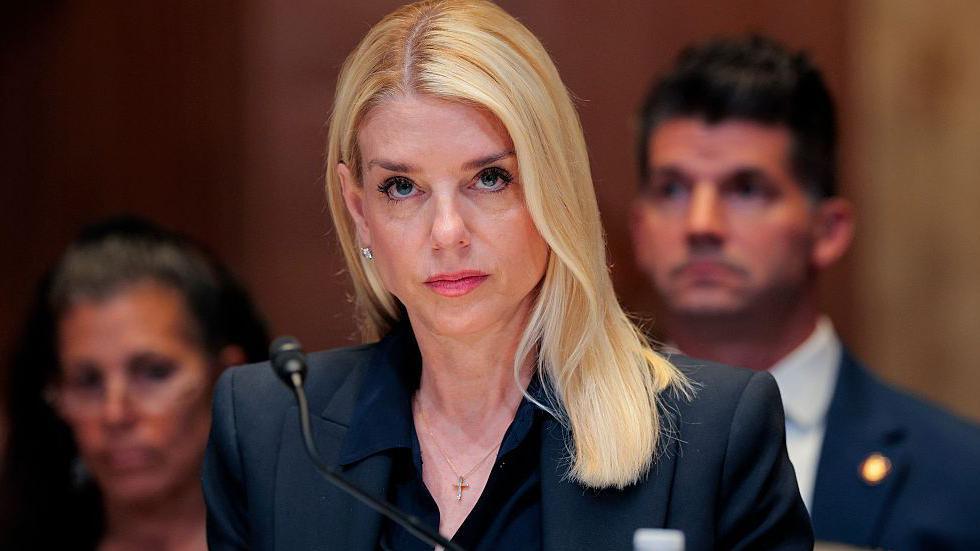
The remarks came during an immigration bond hearing in Orlando on February 25, where Judge Presnell addressed concerns about recent public statements criticizing federal judges who grant bond to certain immigrant detainees while their cases proceed through the courts.
Presnell emphasized that the judiciary operates independently and must make decisions based solely on the law and the facts presented in each case.
“The responsibility of the court is to apply the law and the Constitution,” Presnell said during the hearing. “Judicial decisions cannot be guided by political pressure or public commentary.”
The dispute stems from comments Bondi posted online in recent weeks expressing frustration with what she described as “activist judges” granting bond to individuals whom federal authorities consider potentially dangerous. Her remarks drew attention from legal experts and members of the judiciary who argued that criticism from senior government officials can risk eroding public confidence in the courts.
Presnell addressed the issue directly, suggesting that broad criticisms of judges could cast doubt on the independence of the federal judiciary. Under Article III of the Constitution, federal judges receive lifetime appointments to help ensure their decisions remain insulated from political influence.
“It is essential that courts remain free to rule based on law and evidence,” Presnell said, according to individuals familiar with the hearing.
During the same proceeding, the judge granted bond to three immigrant detainees whose cases were under review. Presnell noted that the decision was made using established legal standards governing bond determinations and the circumstances presented during the hearing.
The courtroom exchange comes at a time of heightened tension between federal courts and officials connected to the Trump administration’s immigration agenda. In recent years, several court rulings have limited or modified elements of federal immigration policy, prompting strong reactions from political leaders on both sides of the issue.
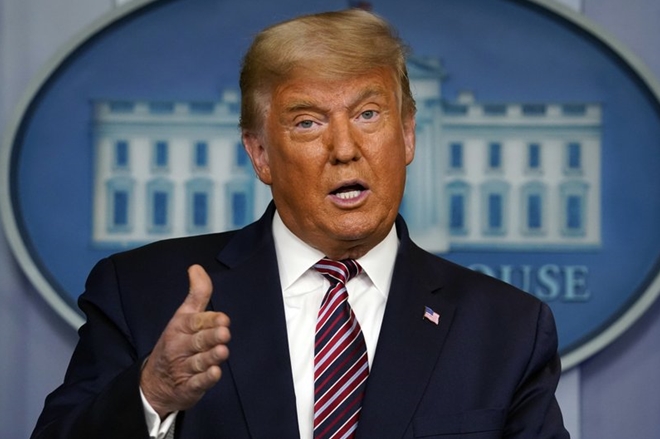
Former President Donald Trump also commented publicly on the matter, posting multiple messages on his social media platform criticizing judges involved in immigration decisions and questioning their reasoning.
Supporters of the administration argue that government officials have the right to voice disagreement with court rulings they believe conflict with national policy priorities. Critics, however, warn that repeated public criticism of judges can create the perception that courts are being drawn into political disputes.
Legal scholars say the situation highlights a long-standing tension in the American system of government: the balance between the executive branch, which enforces federal law, and the judiciary, which interprets it.
“The constitutional system relies on each branch respecting the authority of the others,” said one legal expert familiar with the matter. “Public disagreements over court rulings are not unusual, but the tone and frequency of those disagreements can influence how the public views the judicial system.”
The broader debate has also intersected with developments in other immigration-related cases across the country. In Minneapolis, for example, a federal judge recently ordered the acting director of Immigration and Customs Enforcement, Todd Lyons, to appear in court to address questions about whether federal authorities complied with a previous judicial directive connected to enforcement operations.
Those developments followed public concern after a federal law enforcement operation earlier this month resulted in the deaths of two U.S. citizens, prompting calls for greater review of enforcement practices and oversight.
Members of Congress have also begun monitoring the situation. Representative Jamie Raskin of Maryland, a senior member of the House Judiciary Committee, said the independence of the courts remains a critical element of the constitutional system.
“The rule of law depends on a judiciary that can operate without political pressure,” Raskin said in a statement responding to recent developments.
Observers note that disagreements between political leaders and judges are not new in American history. However, moments of visible tension between the branches often draw renewed attention to the constitutional principles designed to maintain balance within the federal government.
For many legal analysts, the events in Presnell’s courtroom illustrate how those principles continue to play out in real time.
While the Justice Department and the White House have not indicated any formal response to the judge’s comments, the episode has already sparked discussion among legal scholars and policymakers about the role of public commentary in ongoing legal proceedings.
Inside the Orlando courtroom, Presnell’s message was clear: regardless of political debate surrounding immigration policy, the courts will continue to base their rulings on the law, the Constitution, and the facts presented in each case.






