
In an explosive statement that has already captured national attention, Minnesota Governor Tim Walz called on President Donald Trump to resign, asserting that his departure from office would be the most appropriate course of action following his alleged actions that have raised serious questions about his conduct in office. Walz, a prominent Democrat, took the extraordinary step of urging Congress to begin impeachment proceedings should the president refuse to step down voluntarily, marking a significant moment in the ongoing political struggle between the White House and Democratic leadership.
This call for accountability is not just another political statement but a direct response to the growing concerns over Trump’s leadership and actions during his time in office. Walz’s words carry considerable weight, especially considering his position as a state leader who has previously been critical of Trump’s policies, particularly in the areas of healthcare, immigration, and environmental protections.
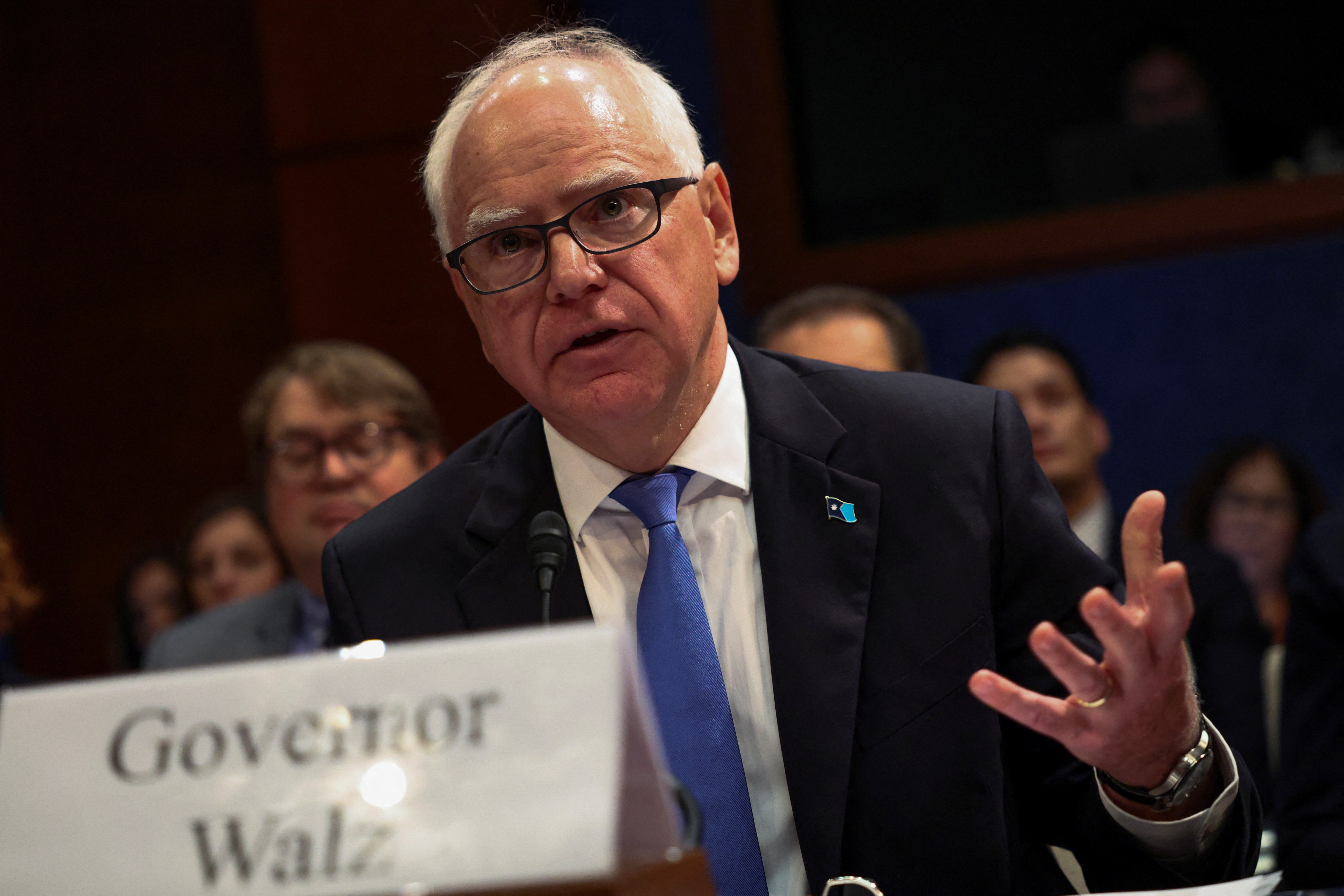
The Context Behind Walz’s Call for Resignation
Governor Tim Walz’s call for resignation comes at a time when President Trump is facing increasing scrutiny over several high-profile controversies. Among these are the ongoing investigations into his role in the January 6th Capitol insurrection, his handling of the COVID-19 pandemic, and numerous allegations of corruption and unethical behavior within his administration. While the specifics of these concerns are varied, they have led many Democrats, including Walz, to argue that Trump is no longer fit to serve as President of the United States.
Walz’s demand aligns with the sentiments of a growing faction of the Democratic Party that has called for a more aggressive response to what they perceive as Trump’s disregard for the rule of law and democratic norms. These calls for resignation are part of a broader effort to challenge what many see as a presidency that has repeatedly crossed ethical and legal lines.
The Impeachment Strategy
If President Trump were to ignore Walz’s resignation demand, the next logical step, according to the Minnesota governor, would be for Congress to take action through impeachment. This statement carries significant implications, as it sets the stage for a potential political battle that could ripple through Washington, D.C. and the rest of the country. Impeachment, which involves the removal of a sitting president from office, is a rare and severe measure, and pursuing it would require significant support in the House of Representatives and a conviction in the Senate.
For Walz and many other Democrats, impeachment is seen as the only remaining avenue for holding Trump accountable for his actions, especially as they argue that traditional forms of accountability, such as the judicial system, have been inadequate in addressing the president’s behavior.
Impeachment efforts would likely reignite the bitter partisan divisions that have dominated American politics in recent years, with Republicans and Trump allies vehemently opposing any attempt to remove the president from office. This political divide would make it incredibly difficult to secure the necessary votes in Congress, and it would undoubtedly lead to a protracted and contentious process.
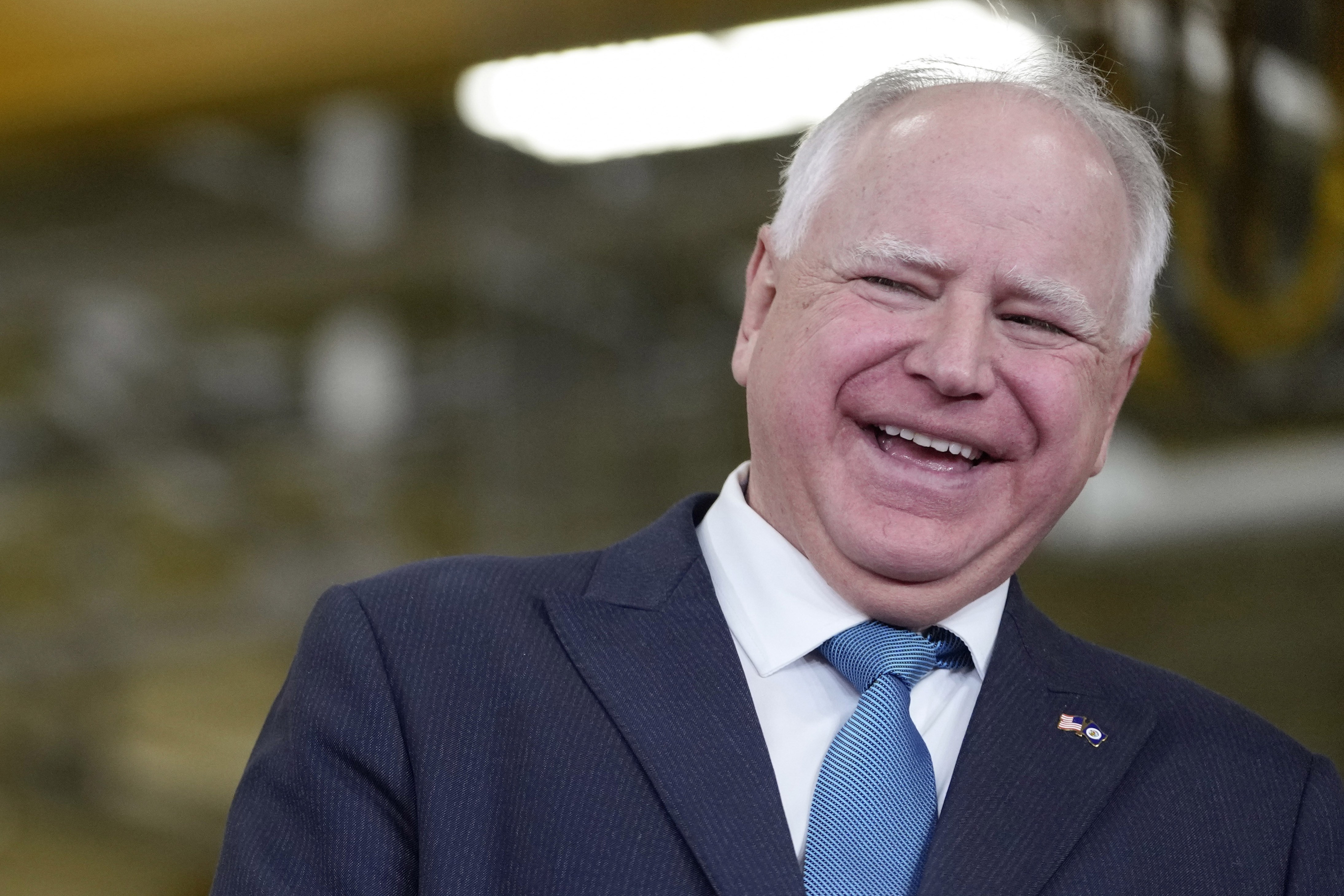
Political Fallout from Walz’s Demand
Walz’s call for President Trump’s resignation and the potential for impeachment proceedings are significant not only in terms of their potential legal and constitutional ramifications but also for the impact they could have on the 2024 election cycle. As the United States prepares for the next presidential election, Walz’s statement adds fuel to an already polarized political landscape, particularly among the Democratic base, who has long felt that Trump’s actions have undermined the values of the nation.
For Walz, this is not just about holding Trump accountable for past actions but about setting a precedent for how future administrations should be held to account for their conduct. His demand for resignation speaks to a broader commitment to restoring ethical governance and ensuring that future presidents, regardless of party, are held to the highest standards of integrity.
On the other hand, Republicans and Trump supporters will likely see Walz’s comments as a partisan attack, one that seeks to undermine the legitimacy of Trump’s presidency. They argue that the president’s actions, while controversial, do not warrant removal from office and that any attempts to impeach him would be politically motivated and a waste of time.
The Role of Congress in the Impeachment Process
While Governor Walz’s demand for Trump’s resignation carries considerable weight, it is ultimately up to Congress to decide whether to pursue impeachment. The impeachment process begins in the House of Representatives, where articles of impeachment must be passed by a majority vote. If successful, the case would then move to the Senate, where a trial would be held, and a two-thirds majority vote would be required to convict and remove the president from office.
As of now, the House is controlled by Democrats, and there is a strong push among some members of the party to pursue impeachment. However, there are also moderates within the party who are hesitant to move forward with such a drastic measure, citing concerns about the political fallout and the potential for further polarization of the electorate.
In the Senate, a conviction is much less likely, given the current Republican majority and the party’s strong allegiance to Trump. Even if the House were to pass articles of impeachment, the Senate would need to convict Trump in order for him to be removed from office. With Republicans still firmly behind the president, this outcome seems highly unlikely.
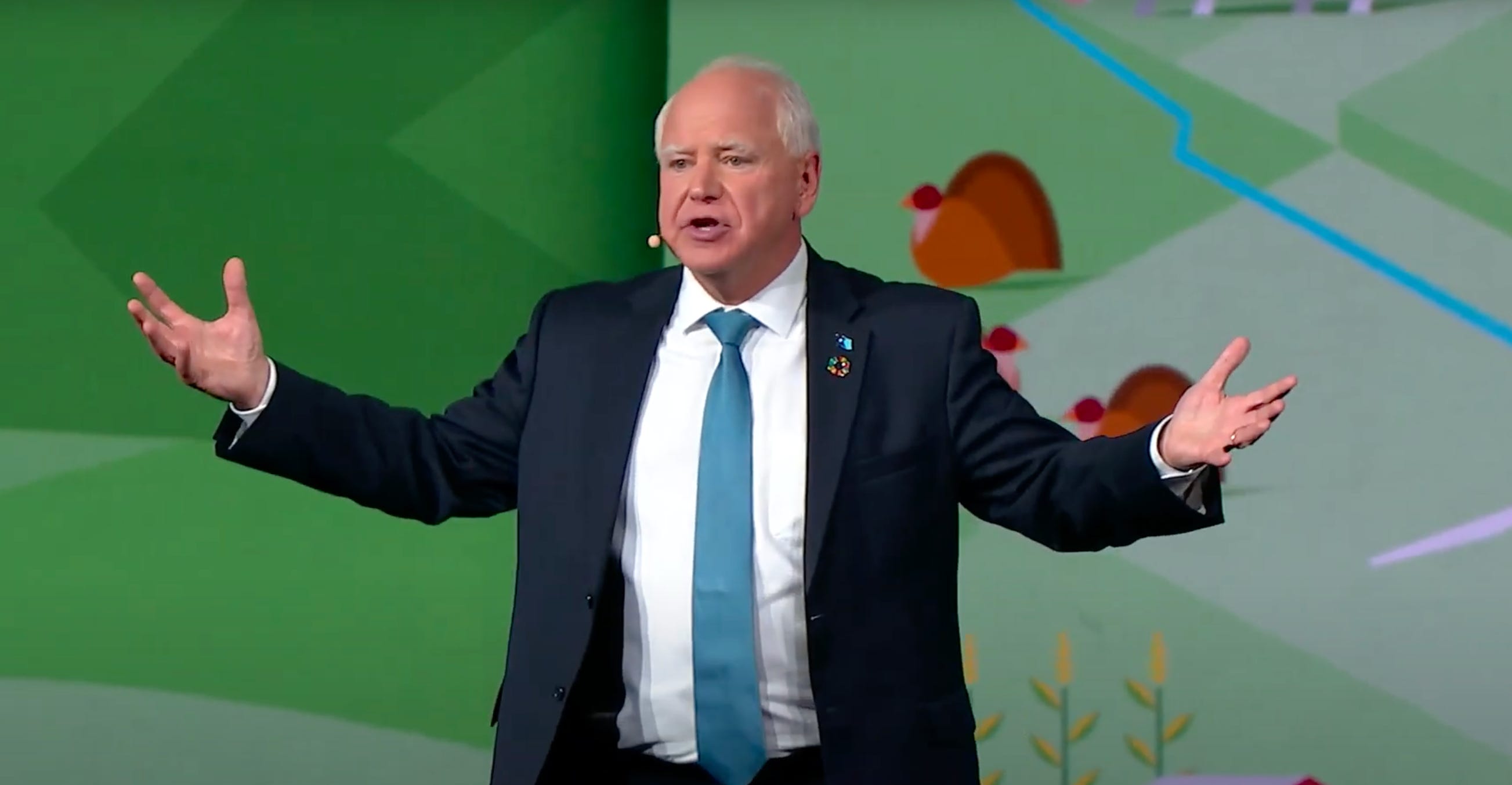
The 2024 Election and the Impeachment Debate
The call for impeachment and the ongoing controversy surrounding Trump’s presidency will undoubtedly play a major role in the 2024 election cycle. As President Trump campaigns for re-election, Democrats will continue to highlight his controversial actions in office, using them as a central theme in their arguments against his candidacy. Meanwhile, Trump and his allies will likely use the impeachment push as a rallying cry for his supporters, framing it as a partisan attack designed to undermine his political power.
The issue of impeachment and accountability will likely become a key focus in the presidential race, with both parties using it to galvanize their respective bases. For many Democrats, impeachment represents a chance to hold Trump accountable for what they view as an unprecedented and corrupt administration. For Republicans, it is a reminder of the political divisions that have characterized the Trump era, as they argue that any effort to impeach the president is a baseless attack on the will of the people.

A Divisive Moment in American Politics
Governor Tim Walz’s call for President Trump to resign is more than just a demand for accountability—it is a reflection of the deep divisions that have come to define American politics. As the 2024 election looms, the push for impeachment and the ongoing controversies surrounding Trump’s presidency will only intensify, setting the stage for a political battle unlike any we have seen before.
While it remains uncertain whether Trump will ultimately face impeachment or resign from office, what is clear is that the demand for accountability will continue to shape the discourse in Washington, D.C. and across the country. As the fight over Trump’s legacy continues, one thing is certain: the political landscape in the United States is far from resolved, and the coming years will be defined by intense battles over the future of American democracy.






