A Potential “Double Impeachment” and Its Impact on U.S. Politics
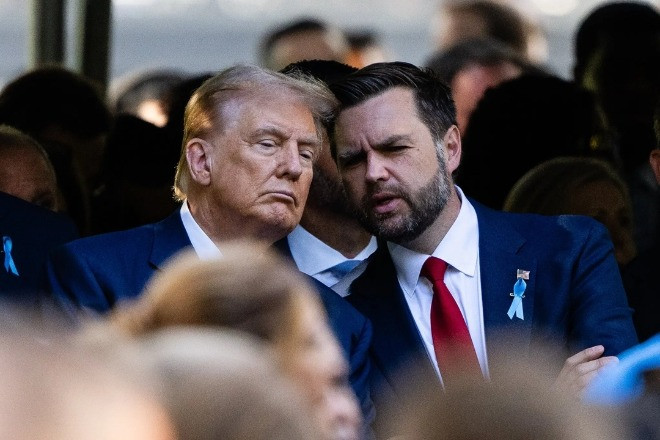
The idea of a “double impeachment” involving former President Donald Trump and Senator J.D. Vance has recently sparked debate in political circles. Although impeachment is a constitutional mechanism designed to hold high-ranking officials accountable, the discussion around initiating proceedings against two prominent political figures at once raises important questions about law, politics, and the future direction of the United States.
Impeachment in the United States is not a criminal conviction but a political and constitutional process through which the House of Representatives brings charges against a federal official. If the House approves articles of impeachment, the case moves to the Senate for trial, where a two-thirds majority is required for conviction and removal from office. This process has historically been rare and controversial because it often reflects deep political divisions in the country.
Supporters of initiating impeachment proceedings argue that the process is a vital safeguard within the U.S. constitutional system. From their perspective, when credible allegations of wrongdoing or abuse of power arise, Congress has a duty to investigate thoroughly. Advocates believe that pursuing impeachment—regardless of the political status of the individuals involved—demonstrates that no leader is above the law. They argue that accountability strengthens democratic institutions and maintains public trust in government.
On the other hand, critics warn that launching impeachment proceedings without clear bipartisan consensus or overwhelming evidence could further polarize the country. The United States has already experienced several highly contentious impeachment battles in recent years, and another major confrontation could deepen political divisions. Opponents of such actions often claim that impeachment may sometimes be used as a political weapon rather than a purely constitutional safeguard.

The concept of a “double impeachment” would be particularly unusual. It could intensify media attention and public debate while placing significant pressure on both Congress and the broader political system. Some analysts suggest that simultaneous or closely related impeachment efforts could shift national focus away from policy debates—such as economic growth, national security, or healthcare—and toward political conflict.
Ultimately, whether impeachment proceedings should begin depends on evidence, constitutional standards, and the judgment of elected representatives. For many observers, the central question is not about political advantage but about protecting the rule of law and the credibility of democratic institutions. The debate itself reflects the complexity of American democracy, where legal procedures, political interests, and public opinion often intersect.
As discussions continue, the outcome will likely shape not only the careers of the individuals involved but also the tone of American politics in the years ahead. Regardless of political affiliation, many citizens agree that the ultimate goal should be to preserve democratic principles, ensure transparency, and maintain confidence in the nation’s governing institutions.






