🚨 Congress Demands Trump to Resign Now as Americans Reject War — Viral Claims vs Political Reality ⚡
In recent days, dramatic headlines and viral social media posts have circulated online claiming that the United States Congress is demanding the immediate resignation of former President Donald Trump. These narratives often suggest that his removal from political life is imminent and that lawmakers are preparing to take urgent constitutional action. However, a closer examination of verified political developments reveals a far more complex and measured situation.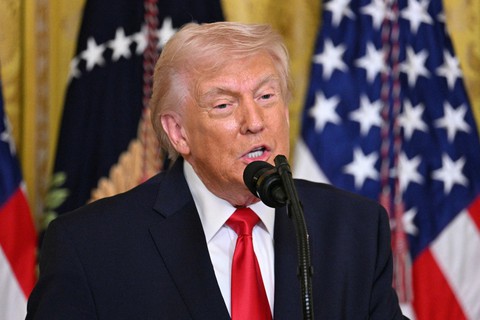
The current political debate in Washington reflects rising tensions and deep partisan divisions, particularly around foreign policy, defense strategy, and executive authority. While it is true that a growing number of lawmakers have expressed concern over recent policy positions and leadership decisions, there is no documented evidence of a formal congressional demand for Trump’s resignation. In fact, constitutional procedures in the United States require a structured and time-consuming process before any such outcome could realistically occur.
At the center of the discussion are renewed calls among some members of the House of Representatives to explore impeachment mechanisms. Reports indicate that more than 180 representatives have co-sponsored articles or public statements supporting further investigation into executive conduct. Yet, despite this momentum, the procedural reality remains that the House Speaker has not authorized a full impeachment inquiry. Without that step, speculation about immediate action remains largely political rhetoric rather than institutional fact.
Even if an impeachment vote were to be introduced and successfully passed in the House, the next stage would move to the Senate, where the constitutional threshold for conviction is significantly higher. A two-thirds majority — 67 votes — would be required to remove a president from office. Given the current party composition, with Republicans holding a narrow but decisive majority, analysts widely agree that such a result would be highly unlikely in the near term. Political strategists point out that achieving bipartisan consensus on removal would demand extraordinary circumstances and clear evidence capable of reshaping public opinion nationwide.
Adding to the confusion are claims circulating online about a supposed “leaked military interference memo,” which some posts portray as proof of misconduct. However, no credible news organization, official congressional record, or court filing has confirmed the existence of such a document. Fact-checking groups warn that sensational narratives often gain traction during periods of heightened political polarization, particularly when they tap into public anxiety about conflict or national security.
Prediction markets have also reflected skepticism about the likelihood of dramatic short-term developments. Platforms that track public betting sentiment on political outcomes currently estimate the probability of Trump resigning within a defined near-term window at below five percent. While these markets are not definitive indicators, they offer insight into broader expectations among politically engaged observers and investors who monitor institutional signals closely.
Despite the exaggerated tone of viral headlines, the underlying political story remains significant. Pressure is gradually building through mechanisms that include bipartisan subpoenas, ongoing judicial reviews related to executive conduct, and intensifying campaign rhetoric ahead of the 2026 midterm elections. These developments suggest that accountability debates are evolving within established democratic frameworks rather than through sudden or extraordinary interventions.
For many Americans, the broader concern is not just about one political figure but about the stability of constitutional processes during moments of national uncertainty. Public opinion surveys show increasing polarization, with some voters demanding stronger oversight of executive power while others warn against what they view as politically motivated investigations. This divide is likely to shape legislative priorities and electoral strategies over the coming year. 📊
Ultimately, any realistic scenario involving resignation, impeachment, or removal would depend heavily on future electoral outcomes that could alter the balance of power in Congress. Until then, political analysts advise distinguishing between verified institutional actions and emotionally charged viral claims.
In an era when information spreads faster than ever, understanding the difference between speculation and documented fact has become a crucial responsibility for voters, media outlets, and policymakers alike. 🗳️






