Tragedy in the Channel: Fourteen Migrants Drown After Boat Collision with UK Coast Guard
A devastating incident in the English Channel has left fourteen people dead, reigniting a fierce debate over border security, maritime safety, and the human cost of irregular migration. The tragedy occurred when a small, overloaded migrant boat collided with a UK Coast Guard vessel during a high-speed pursuit early this morning.
The collision tore through the flimsy craft, plunging its occupants into the cold, choppy waters of one of the world’s busiest shipping lanes. Despite an immediate and large-scale rescue operation involving lifeboats, helicopters, and passing freighters, fourteen individuals—including three children—were pronounced dead. Several others were pulled from the water suffering from hypothermia and are receiving medical treatment.
The incident has sent shockwaves through communities on both sides of the Channel and sparked immediate outrage from humanitarian organizations and political leaders, who are demanding a full and transparent investigation.
“How could this have happened?” asked a spokesperson for a migrant aid group in Calais, visibly shaken. “These were human beings, fleeing war and poverty, and they met their end being chased by the very people who are supposed to protect life at sea.”
The UK Coast Guard has confirmed that its vessel was involved in the pursuit but has declined to comment further, stating that a full investigation by the Marine Accident Investigation Branch (MAIB) is underway. Initial reports suggest the coast guard vessel was attempting to intercept the migrant boat as part of routine border enforcement operations when the sudden, catastrophic collision occurred.
This heartbreaking event forces a difficult and urgent question: How could a tragedy of this nature have been prevented?
There is no single answer, but experts point to a combination of policy, operational, and humanitarian factors that, if addressed, could mitigate the risk of such events in the future.

1. Shifting from Pursuit to Prevention: The most immediate point of contention is the tactic of high-speed pursuit itself. Maritime safety experts argue that chasing unseaworthy, overcrowded inflatable boats is an inherently dangerous gamble. “These vessels are not designed for speed or maneuverability,” explained a former Royal Navy commander. “A high-speed wake, a sudden turn, or a panic-induced shift in weight can capsize them. Prevention strategies must prioritize early detection and disruption on land, before boats ever launch, rather than high-risk interceptions at sea.”
2. Establishing Safe Passage: At the heart of the crisis is the lack of legal, safe routes for asylum seekers. Forced to turn to dangerous smuggler-operated boats, migrants are placed in harm’s way from the moment they step into the vessel. Human rights organizations argue that the only way to truly end these Channel deaths is to create accessible humanitarian visas or asylum processing centers in transit countries. “As long as the only way to claim protection is to set foot in the UK, people will continue to die trying to get there,” the Calais aid spokesperson stated.
3. Enhancing Coordination and Communication: The fog of a high-stakes pursuit can lead to catastrophic miscommunication. Improved, real-time coordination between French and UK maritime agencies is critical. Furthermore, establishing clear and universally understood protocols for when an interception should be aborted due to safety concerns could provide a vital check against tactical decisions that put lives at unacceptable risk.
4. Targeting the Smugglers, Not the Smuggled: While border enforcement aims to disrupt criminal smuggling networks, the current dynamic punishes the victims of those networks. A more effective long-term strategy, analysts suggest, would focus international intelligence and policing efforts on dismantling the organized crime rings that supply and pilot these deadly vessels, while treating the migrants themselves as vulnerable people in need of protection.
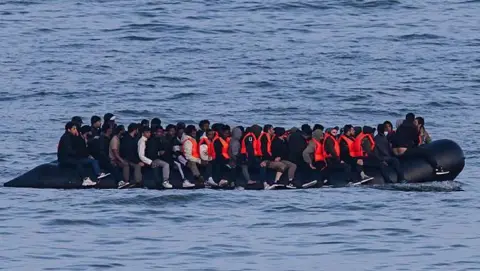
As the UK and France grapple with the aftermath of this latest tragedy, the political pressure is immense. For the fourteen families now mourning a loved one, the answers cannot come soon enough. For the wider world, the incident serves as a grim reminder that until the root causes of migration are addressed and safe pathways are created, the cold waters of the Channel will continue to claim lives.






