The Senate hearing began quietly, the kind of procedural discussion that normally fades into the background of Washington politics without leaving much of a ripple beyond the committee walls.
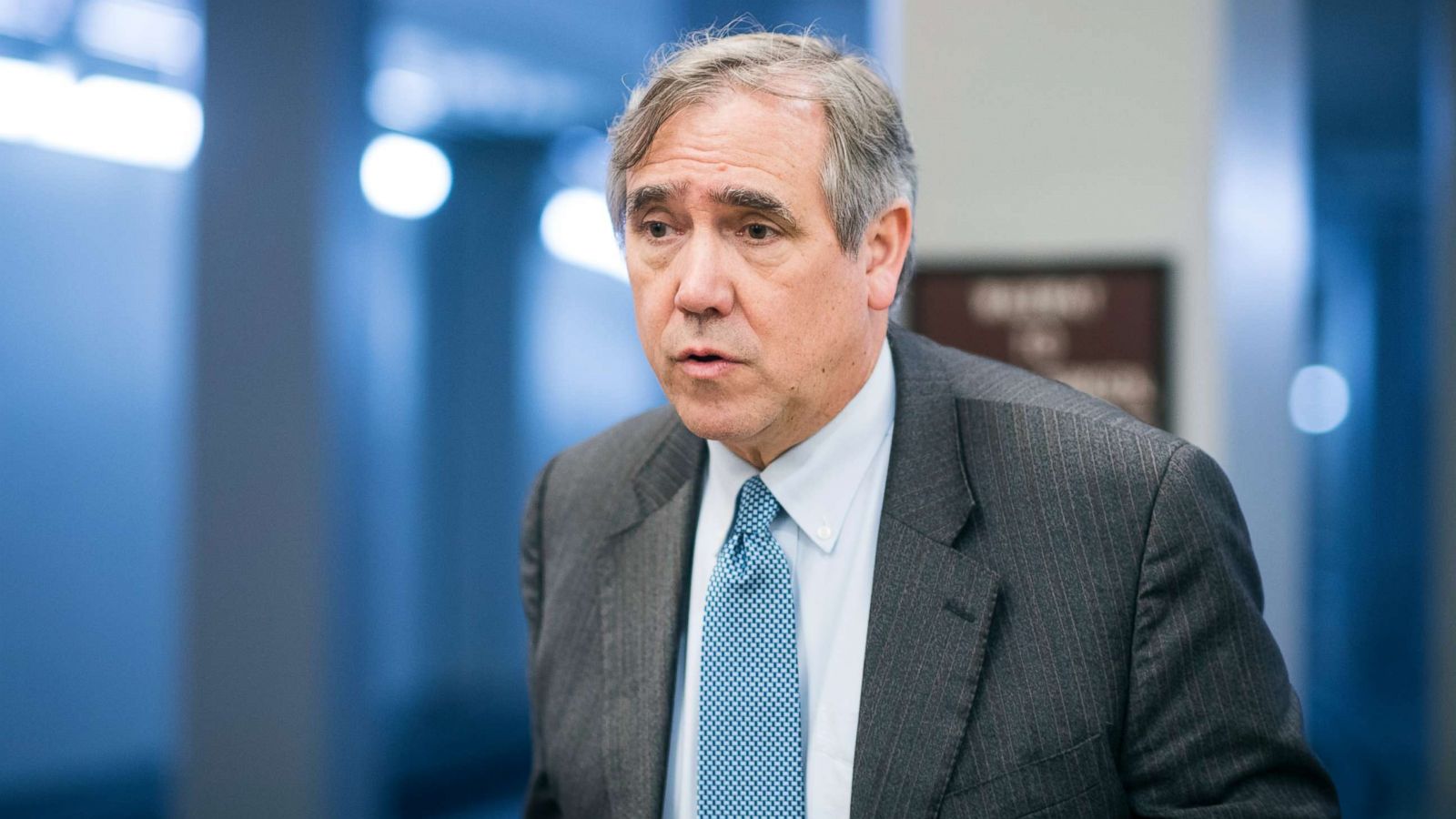
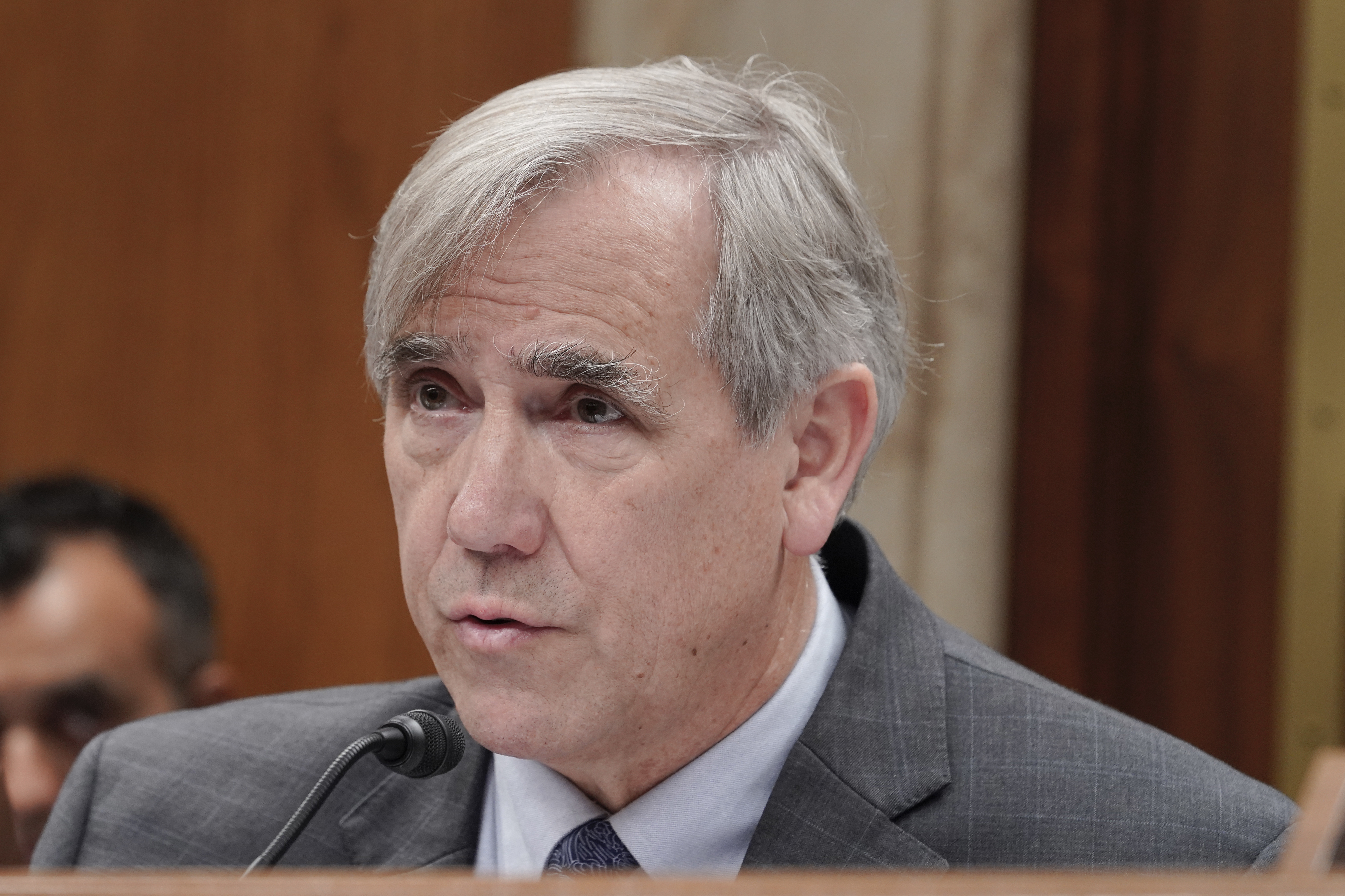
Within minutes, however, the calm tone shattered as Senator Jeff Merkley raised a question that instantly transformed the hearing into one of the most intense political confrontations of the year.
The topic was cryptocurrency, but the implications stretched far beyond digital finance and into the heart of how power, influence, and access might intersect in modern politics.
Merkley leaned toward the microphone and calmly asked whether large investors in a cryptocurrency linked to Donald Trump might have been using their purchases to gain influence over American policy decisions.
The room went still almost immediately.
In Washington hearings, there are routine questions, and then there are questions that everyone in the room understands could explode into national controversy.
This was clearly the second kind.
Reports had surfaced about a private dinner event attended by hundreds of individuals who had purchased large quantities of a digital token connected to the president’s brand.
Some participants reportedly described their investments openly, suggesting they hoped their purchases might give them access or influence in policy conversations.
That possibility raised a question far bigger than one dinner or one coin.
Could a digital asset become a gateway to political access in ways that traditional campaign finance rules were never designed to regulate.
Merkley framed his concern carefully but directly.
He pointed to public comments from an executive who allegedly said he bought millions of dollars worth of the cryptocurrency because he wanted changes to freight transportation policy between Mexico and the United States.
The statement immediately drew murmurs inside the hearing room.
If true, critics argued, it suggested that some investors might see cryptocurrency purchases not merely as financial bets but as strategic investments in political relationships.
That is where the tension truly began.
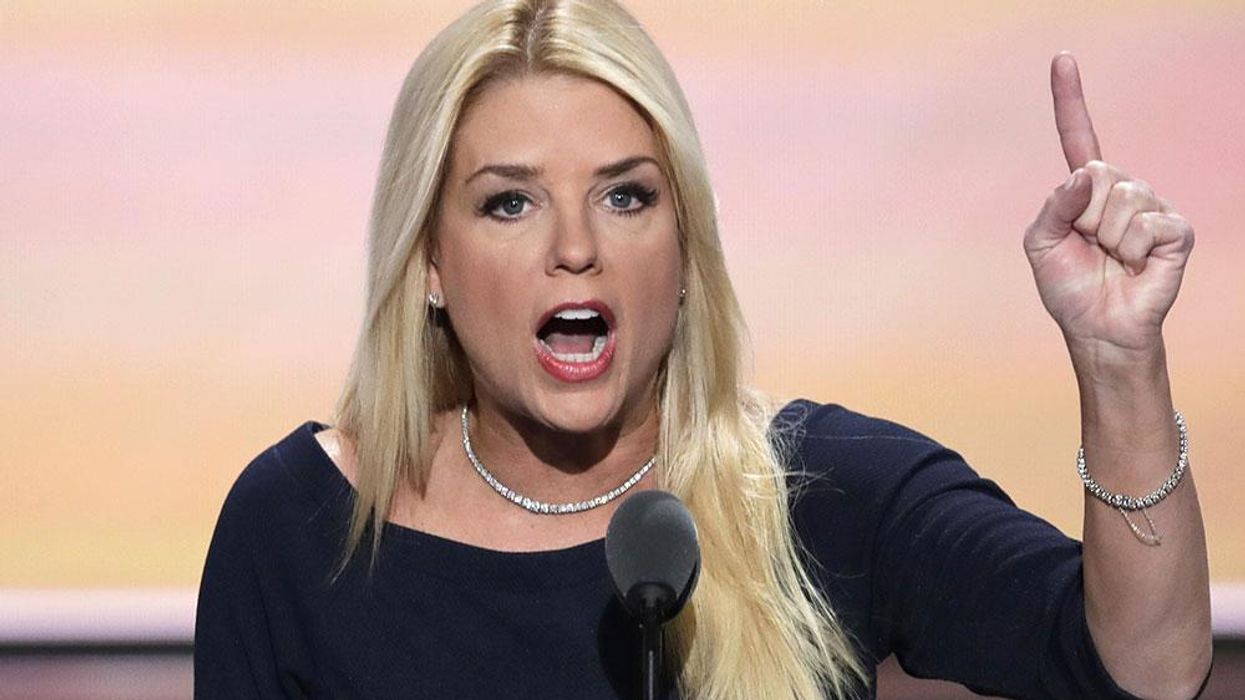
Attorney General Pam Bondi responded sharply, calling the accusation offensive and arguing that the administration had consistently prioritized protecting American interests and strengthening national security.
Instead of addressing the dinner directly, she shifted the discussion toward border security and violent crime, describing law enforcement efforts against drug trafficking networks.
The pivot was immediate and unmistakable.
But Merkley did not retreat.
He repeated that transparency matters when financial transactions intersect with government policy decisions, particularly when foreign investors could potentially be involved.
The question lingered in the room like a spark near dry tinder.
Were any of the investors at the dinner foreign nationals seeking influence over American policy.
Bondi declined to answer directly.

Instead, she again emphasized crime statistics, citing arrests involving drug trafficking rings and fentanyl distribution networks operating in Merkley’s home state of Oregon.
The exchange turned into a clash of priorities that felt almost symbolic of the broader political divide.
Merkley argued that financial influence tied to foreign actors could pose a national security risk deserving scrutiny.
Bondi countered that the real threats facing Americans were violent crime, narcotics trafficking, and border security challenges affecting communities across the country.
Observers in the room noticed something else as the exchange unfolded.
Despite multiple attempts to return to the cryptocurrency question, the original issue remained unanswered.
Merkley acknowledged that fact openly.






